
Bwindi
South-western UgandaHome to roughly half the world's mountain gorillas and the most sought-after wildlife encounter in Africa.
Explore BwindiMountain gorillas, chimpanzees and tree-climbing lions: East Africa's most diverse wildlife experience, packed into a small country.
Plan My SafariUganda packs more wildlife diversity into a smaller area than almost anywhere in Africa. Within a week you can trek mountain gorillas in ancient rainforest, track chimpanzees through fig-tree canopy, watch elephant and buffalo on open savannah and take a boat past hippo to the foot of Murchison Falls. No other country on the continent offers that range in a single trip.
The mountain gorilla is the draw that most people come for, and with good reason. Uganda holds roughly half the world's remaining mountain gorillas, split between Bwindi Impenetrable Forest and Mgahinga. Each trek is different, but the moment you come face to face with a silverback at close range is one that stays. Permits must be booked well in advance, and the trekking is physically demanding, but neither fact diminishes the experience.
Beyond the gorillas, Uganda is an East African safari in its own right. The savannah parks of Queen Elizabeth and Murchison Falls hold elephant, buffalo, lion and leopard, with the added dimension of boat trips and, at Murchison, the most powerful waterfall on the Nile. Uganda also borders Rwanda for a natural two-country primate combination.
Uganda holds roughly half the world's remaining mountain gorillas. A trek into Bwindi or Mgahinga to spend an hour with a habituated family is one of the most moving wildlife encounters on earth. Permits are limited, so book months ahead.
Kibale Forest is the best place in Africa to track habituated chimpanzee families, with excellent sightings and experienced guides who know where the groups travel.
The Ishasha sector of Queen Elizabeth National Park is one of only two places in the world where lions routinely climb trees, a quirk that has become a major draw.
The entire Nile squeezes through a seven-metre gap to create the most powerful waterfall on the river. A boat trip to the base, combined with a game drive on the north bank, is Uganda's classic itinerary.
Gorillas, chimpanzees, hippo, elephant, lion and over 1,000 bird species in a country the size of the UK. Uganda rewards the traveller who wants variety rather than a single-species focus.
Uganda borders Rwanda, and combining gorilla trekking in Bwindi with Rwanda's Volcanoes National Park or Akagera makes a superb East African circuit. See our Rwanda page.
Uganda holds roughly half the world's estimated 1,000 mountain gorillas, with habituated families in Bwindi and Mgahinga. Permits allow one hour with a family group and are limited to eight people per group per day.
Kibale Forest holds the largest habituated chimpanzee population in East Africa, and the dawn primate walks produce sightings of chimps alongside red colobus, grey-cheeked mangabey and other primates.
Lion, leopard, elephant and buffalo are present in the savannah parks. Rhino were poached out and are not reliably present; Uganda is not a Big Five destination in the traditional sense.
The Ishasha sector of Queen Elizabeth holds lion prides that routinely climb fig trees, one of only two places in the world where this behaviour is regularly observed.
Uganda has more than 1,000 recorded species, including the sought-after shoebill stork in the Murchison and Albertine Rift endemics in the forest parks. It is one of the great birding countries in Africa.
Gorillas at close range, the drama of Murchison Falls and forest light in Kibale make Uganda a compelling photographic destination. See our photographic safaris.
Uganda's safari areas divide between the forest parks of the south-west, home to gorillas and chimpanzees, and the northern and western savannah parks with elephant, lion and the great waterfall. These four cover both worlds.
Home to roughly half the world's mountain gorillas and the most sought-after wildlife encounter in Africa.
Explore Bwindi
Africa's premier chimpanzee destination, with 13 primate species and a dawn chimp trek that is one of Uganda's highlights.
Explore Kibale Forest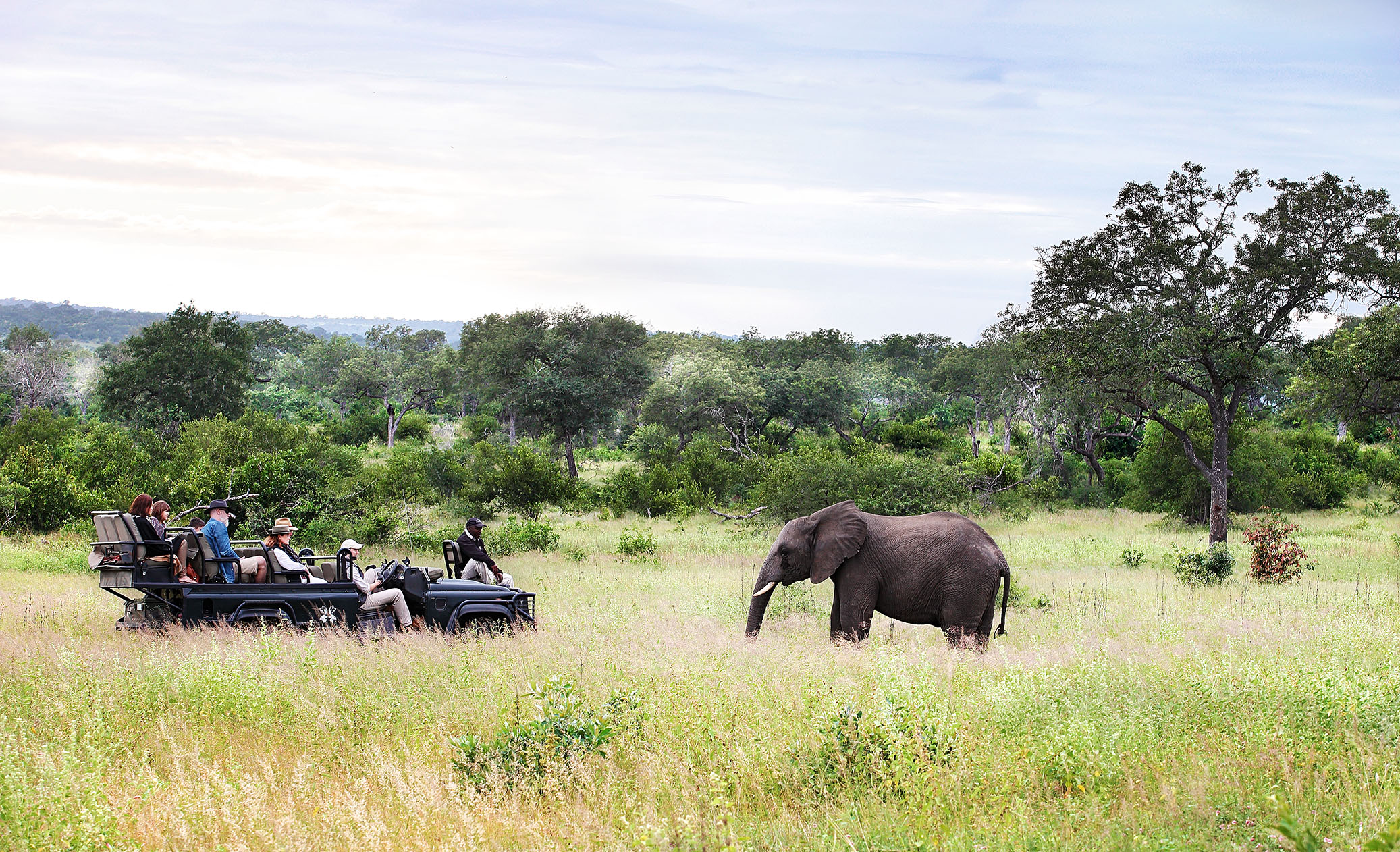
Uganda's most visited savannah park, famous for its tree-climbing lions, the Kazinga Channel boat trip and volcanic crater lakes.
Explore Queen Elizabeth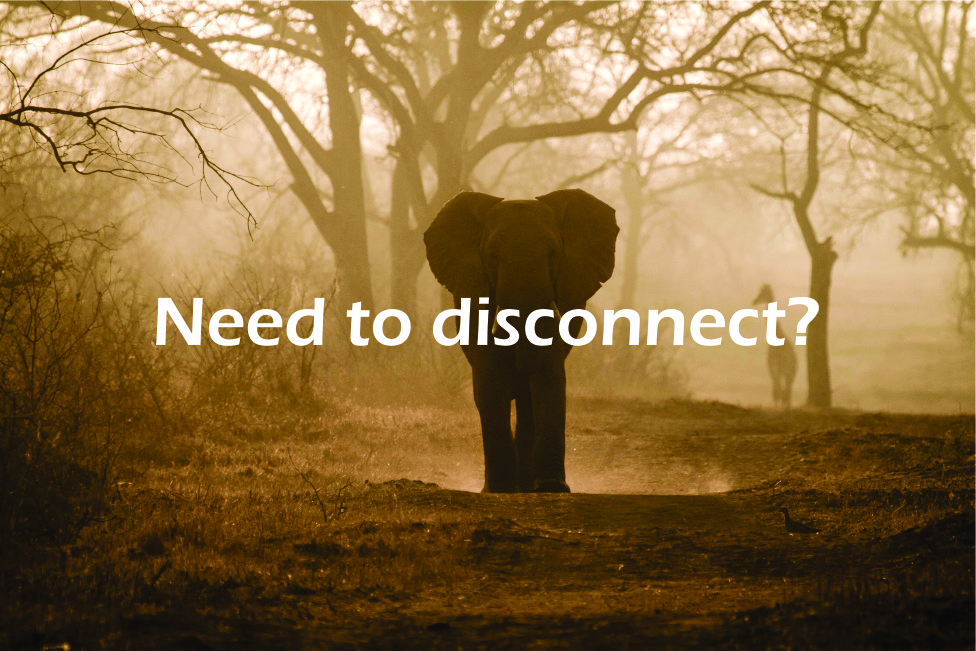
Uganda's largest park: a boat on the Nile, a game-rich northern bank and the raw force of Murchison Falls itself.
Explore Murchison Falls| Reserve | Best for | Best time | Suggested stay | Style |
|---|---|---|---|---|
| Bwindi | Mountain gorilla trekking | Jun to Sep, Dec to Feb | 2 to 3 nights | Mid to ultra-luxury |
| Kibale Forest | Chimpanzee trekking, primates, birding | Jun to Sep, Dec to Feb | 2 nights | Mid to luxury |
| Queen Elizabeth | Tree-climbing lions, boat safari, variety | Jun to Sep, Dec to Feb | 2 to 3 nights | Mid to luxury |
| Murchison Falls | Nile boat safari, falls, big game | Dec to Feb, Jun to Sep | 2 to 3 nights | Mid to luxury |
Uganda has two dry seasons and is trekked year-round, but the drier months reduce mud on the forest trails and are the most comfortable time to visit. Our safari calendar sets out the wider East African picture.
| Month | Weather | Game viewing | Season |
|---|---|---|---|
| January | Warm, dry | Excellent; dry trails, good trekking | Peak |
| February | Hot, dry | Peak; best forest trekking conditions | Peak |
| March | Warm, rains begin | Muddy trails; game still good | Shoulder |
| April | Warm, long rains | Wet and quiet; lower rates, good birding | Green |
| May | Warm, wettest | Very wet; fewer visitors, cheapest rates | Green |
| June | Mild, drying out | Dry season begins; trails improving | Shoulder |
| July | Cool, dry | Peak dry season; excellent trekking | Peak |
| August | Cool, dry | Best conditions; peak game and trekking | Peak |
| September | Warm, dry | Excellent; dry trails and clear skies | Peak |
| October | Warm, short rains | Rains return; trails muddier | Shoulder |
| November | Warm, wet | Short rains; lower rates | Green |
| December | Warm, drying | Improving; festive season, book ahead | Shoulder |
Tell us when you want to travel and what you most want to see. We will build the trip around the wildlife calendar.
Plan My Safari WhatsApp UsYes. Uganda is a welcoming and largely stable country, and the gorilla and safari areas are safe and professionally managed. Apply normal city caution in Kampala.
The two dry seasons, June to September and December to February, give the best trekking conditions with drier, less muddy trails. Gorilla permits are available year-round, and the wet season is cheaper and quieter.
Through the Uganda Wildlife Authority or an accredited operator. Permits are limited to eight people per gorilla family per day and sell out months ahead, particularly for the peak dry season. We handle the booking for you.
It can be challenging. Treks vary from one to six or more hours through steep, dense forest, depending on where the gorillas have moved. Reasonably good fitness is needed, and trekking poles and gaiters are recommended.
The rule is a minimum of seven metres, though gorillas do not always respect it. You spend one permitted hour with the family group, which passes quickly.
Yes, Kibale Forest is the best place in Africa for chimpanzee trekking. The chimps there are highly habituated and sightings are frequent.
Not reliably. Lion, leopard, elephant and buffalo are present in the savannah parks, but rhino were poached out and are absent. Uganda's appeal is its primate trekking and diversity, not the Big Five.
Yes. Uganda is a malaria zone, including the forest parks. Speak to your doctor about prophylaxis before travelling.
Most visitors need a visa, available online as an eVisa before travel. The East Africa Tourist Visa covers Uganda, Kenya and Rwanda in a single application. Confirm current requirements before booking flights.
Allow at least seven to ten days to combine gorilla trekking in the south-west with chimp trekking in Kibale and a savannah park such as Murchison Falls. Gorilla permits alone justify a long stay.
Yes, and it makes one of the finest East African circuits. Gorilla trekking in Bwindi, crossing to Rwanda's Volcanoes National Park, then visiting Akagera for savannah game gives you primates and plains in one trip. See our Rwanda page.
Yes. Entebbe has good connections to Nairobi and the northern Tanzania circuit, so a primate-focused Uganda stay can open or close a wider East African trip.
A large, prehistoric-looking waterbird found in Uganda's papyrus swamps, particularly around Murchison Falls and the Mabamba wetland near Entebbe. It is one of the most sought-after birds in Africa.
Outstanding. With more than 1,000 species, including the shoebill, 51 Albertine Rift endemics and a wealth of forest birds, Uganda is one of Africa's top birding destinations.
Gorilla permits are USD 800 per person and are the single largest cost. Beyond permits, Uganda spans simple guesthouses to comfortable safari lodges. We tailor every trip to your budget.
Tell us roughly when you would like to travel and what you most want to see. Every enquiry is answered personally by Jarryd, a former Sabi Sands guide and Head Ranger at andBeyond Phinda, usually within 24 hours. No set packages, no booking fees.