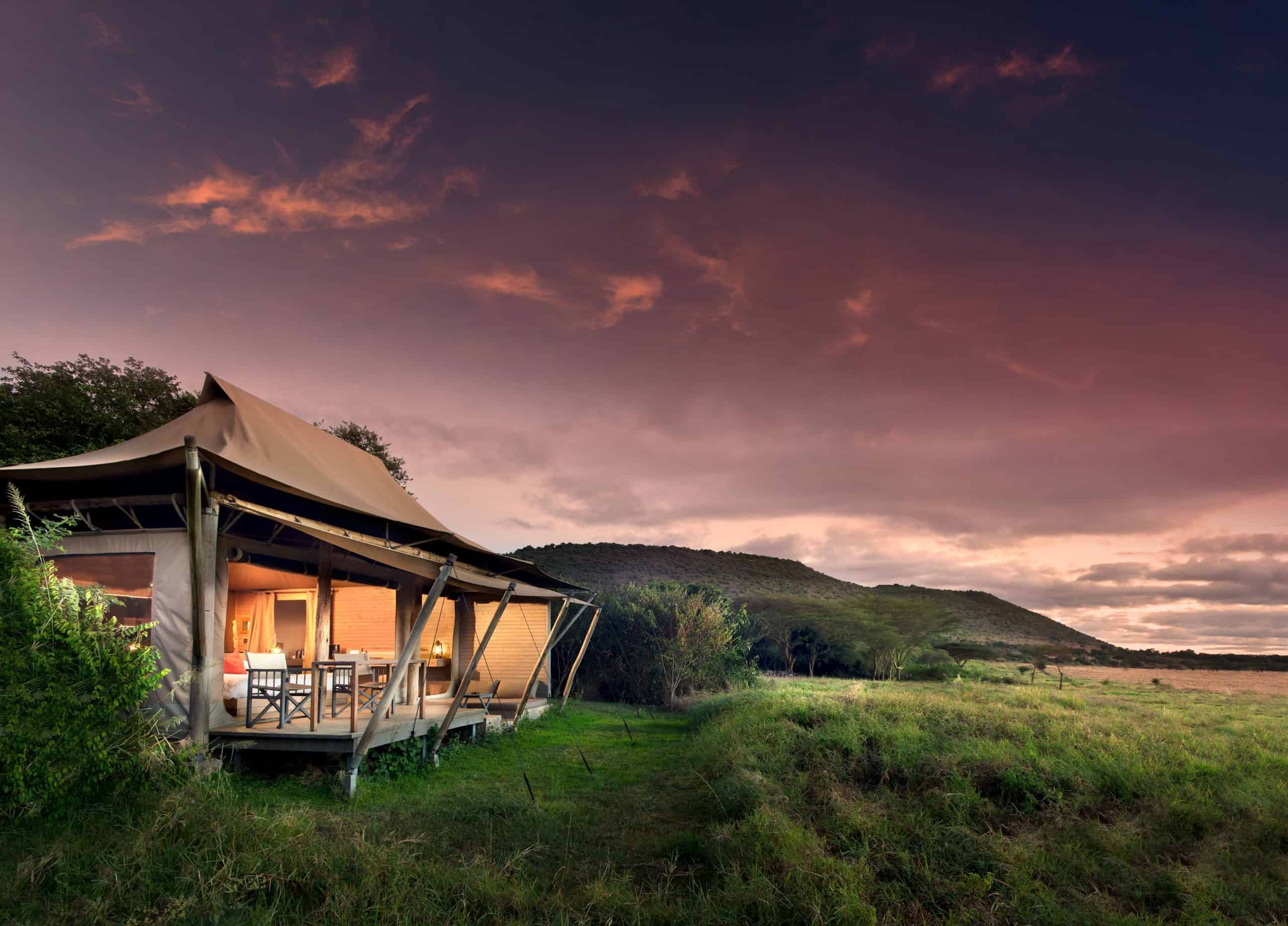
The Serengeti, the Masai Mara and the Great Migration. These are the landscapes that built the word "safari".
East Africa operates on a different scale to Southern Africa. The Serengeti covers 14,763 square kilometres. The Masai Mara sits at its northern edge, where the plains of Kenya carry the same wildlife across a political border. The landscapes are open enough to see for miles, the skies are vast, and the sense of scale is something that photographs cannot prepare you for.
East Africa is also the right choice if the Great Migration is on your list. Getting timing and positioning right makes the difference between witnessing river crossings at close quarters and missing them entirely. If you are unsure how to approach the planning, our luxury safari planning service is built around exactly these kinds of decisions.
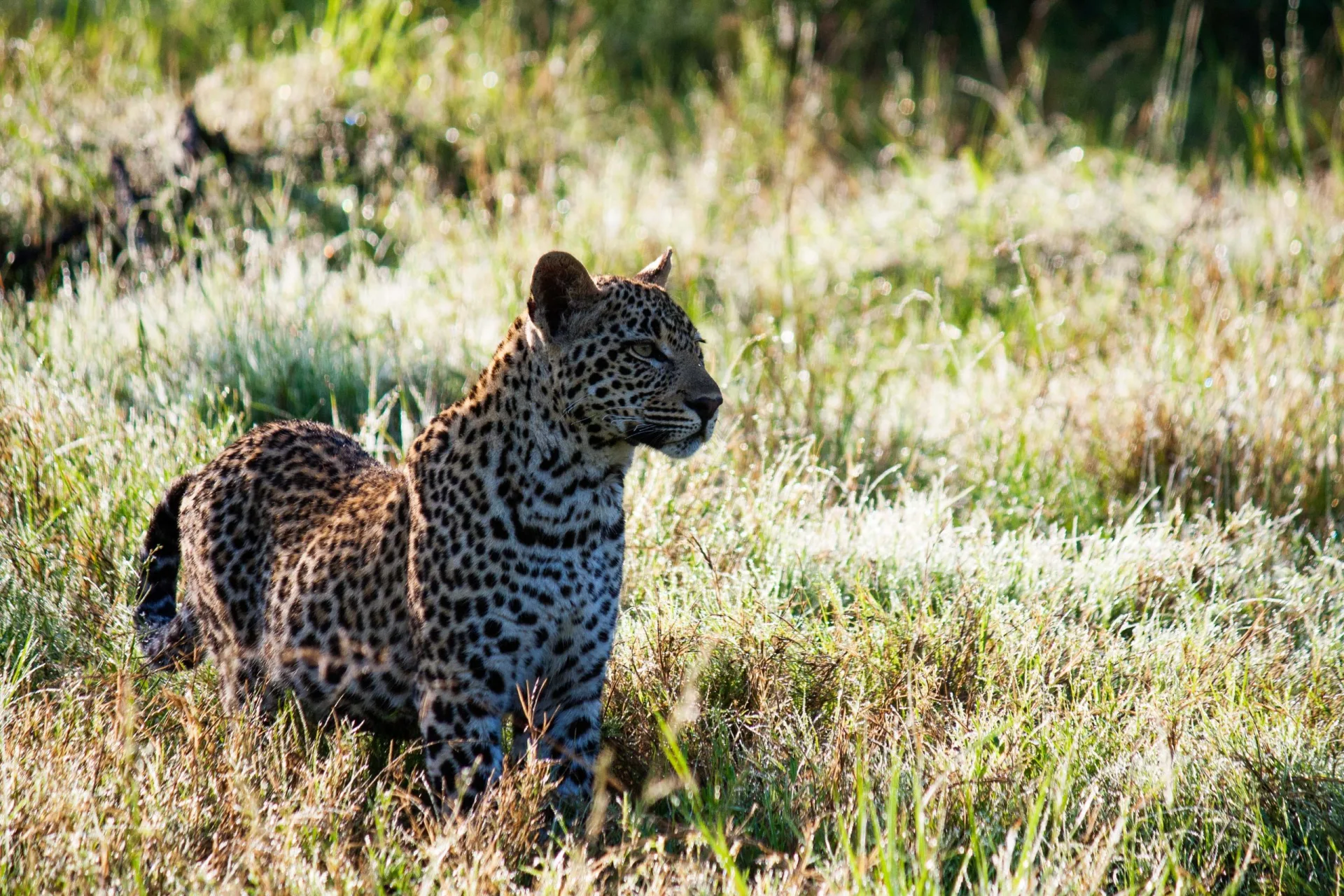
The Great Migration is the year-round movement of roughly two million wildebeest, zebra and gazelle through the Serengeti-Mara ecosystem. It is not a single event but a continuous cycle, and where you go depends entirely on the time of year you are travelling.
The famous Mara River crossings take place in the northern Serengeti and Masai Mara between July and October, when herds push north into Kenya. The calving season on the southern Serengeti plains around Ndutu runs January to March, bringing intense predator action as lions, cheetah and hyaena follow the newborns. Both are worth planning a trip around, and both require different positioning. Our month-by-month safari calendar shows exactly where the herds are through the year.
Plan Your Migration SafariKenya and Tanzania share one interconnected ecosystem and carry the Migration between them. West of the Rift, Rwanda and Uganda hold the mountain gorillas and the chimpanzee forests. The two halves ask for different itineraries: open-plain game viewing from a vehicle on one side, forest trekking on foot on the other.
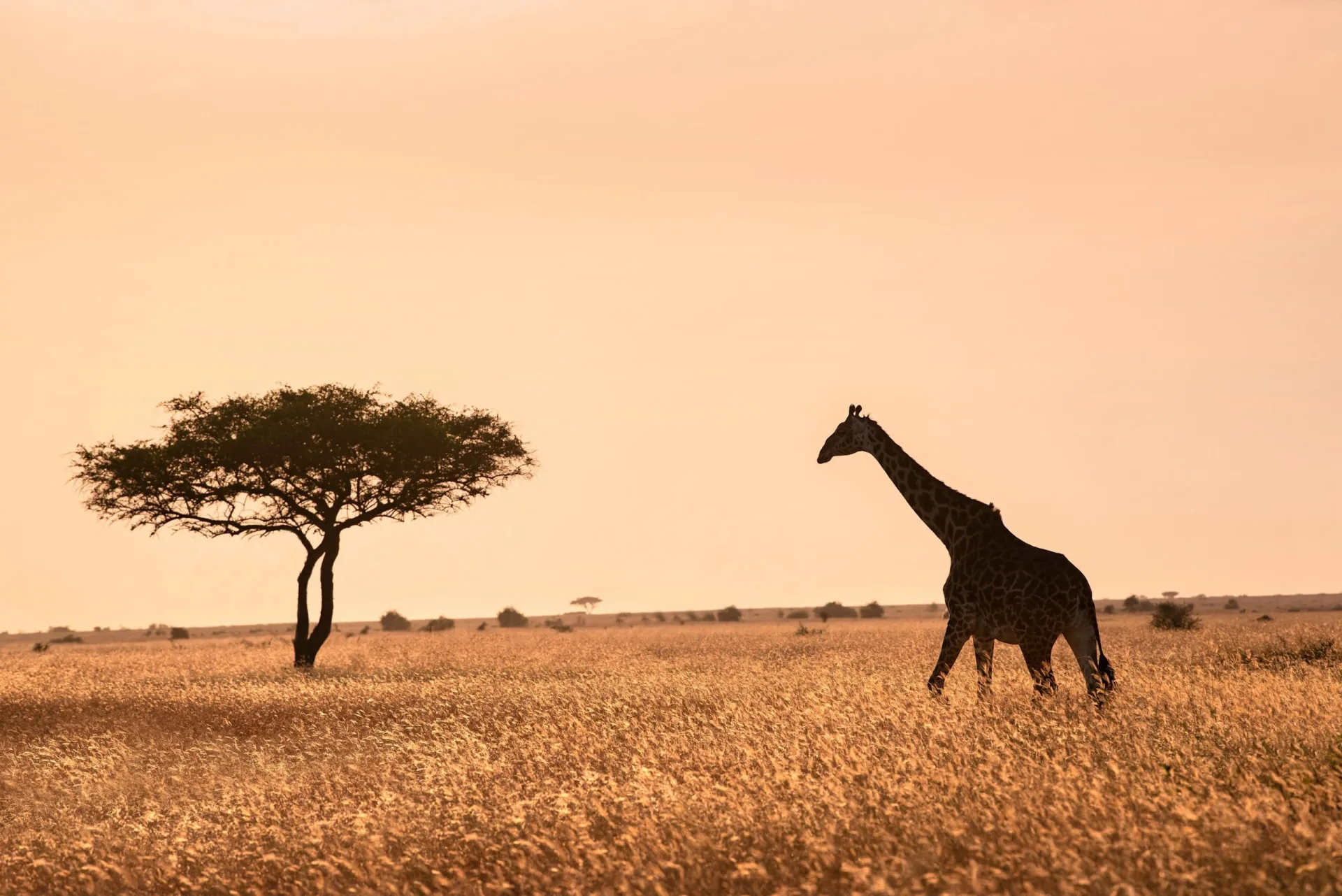
Tanzania's most iconic national park spans terrain from open short-grass plains in the south to dense acacia woodland and rocky granite kopjes in the north. Predator densities stay high year-round, and the open landscape makes the Serengeti one of the best destinations in Africa for wildlife photography. During Migration season the plains fill with wildebeest in numbers that are genuinely difficult to comprehend until you are sitting in the middle of them.
Explore the Serengeti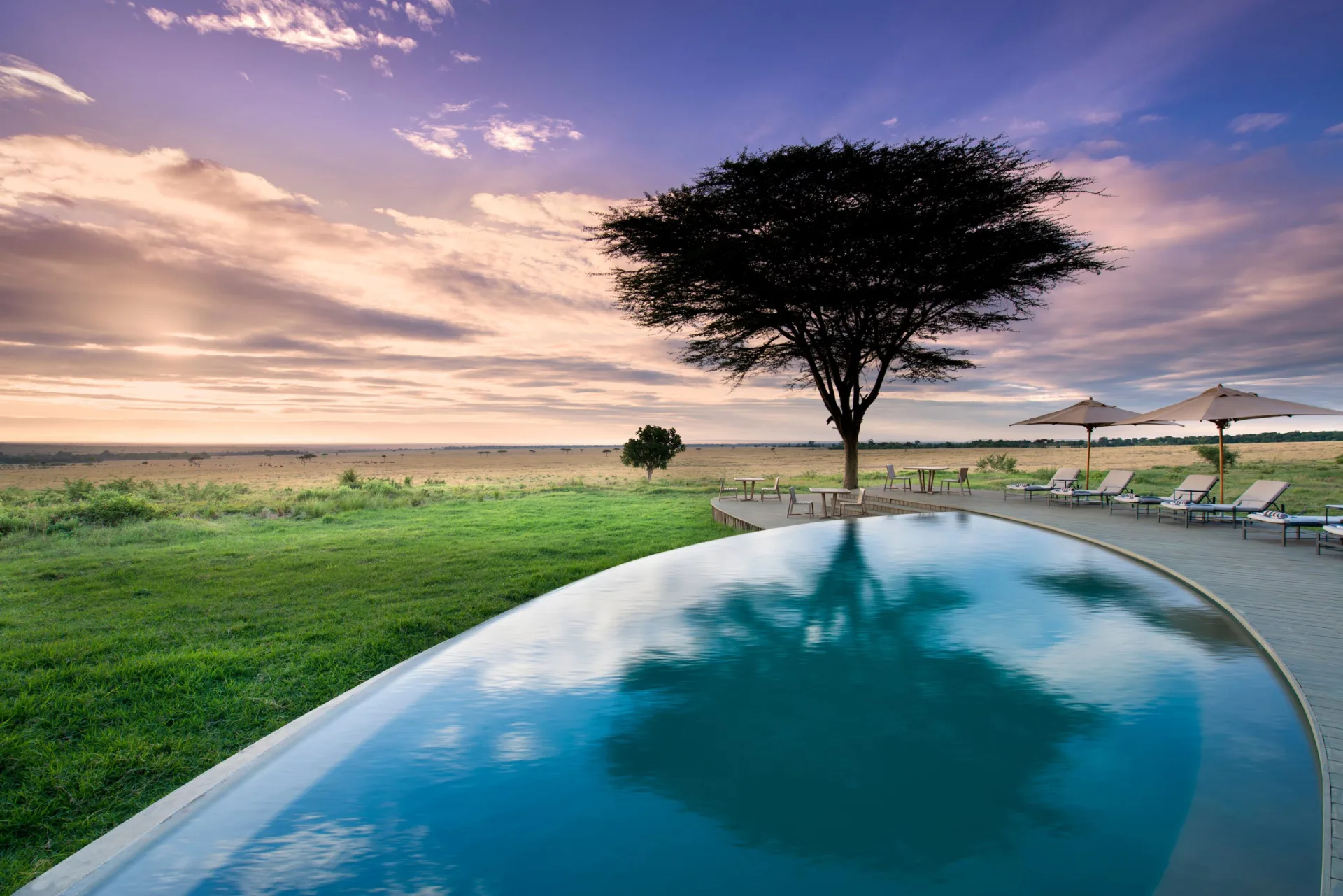
Kenya's most celebrated reserve is the northern continuation of the Serengeti, separated only by the Tanzanian border. The Mara is known for its resident lion prides, cheetah families and the Mara River crossings during the Migration. The surrounding Maasai communities add significant cultural depth to a trip here, and the range of lodge and camp options suits most budgets and travel styles.
Explore the Masai Mara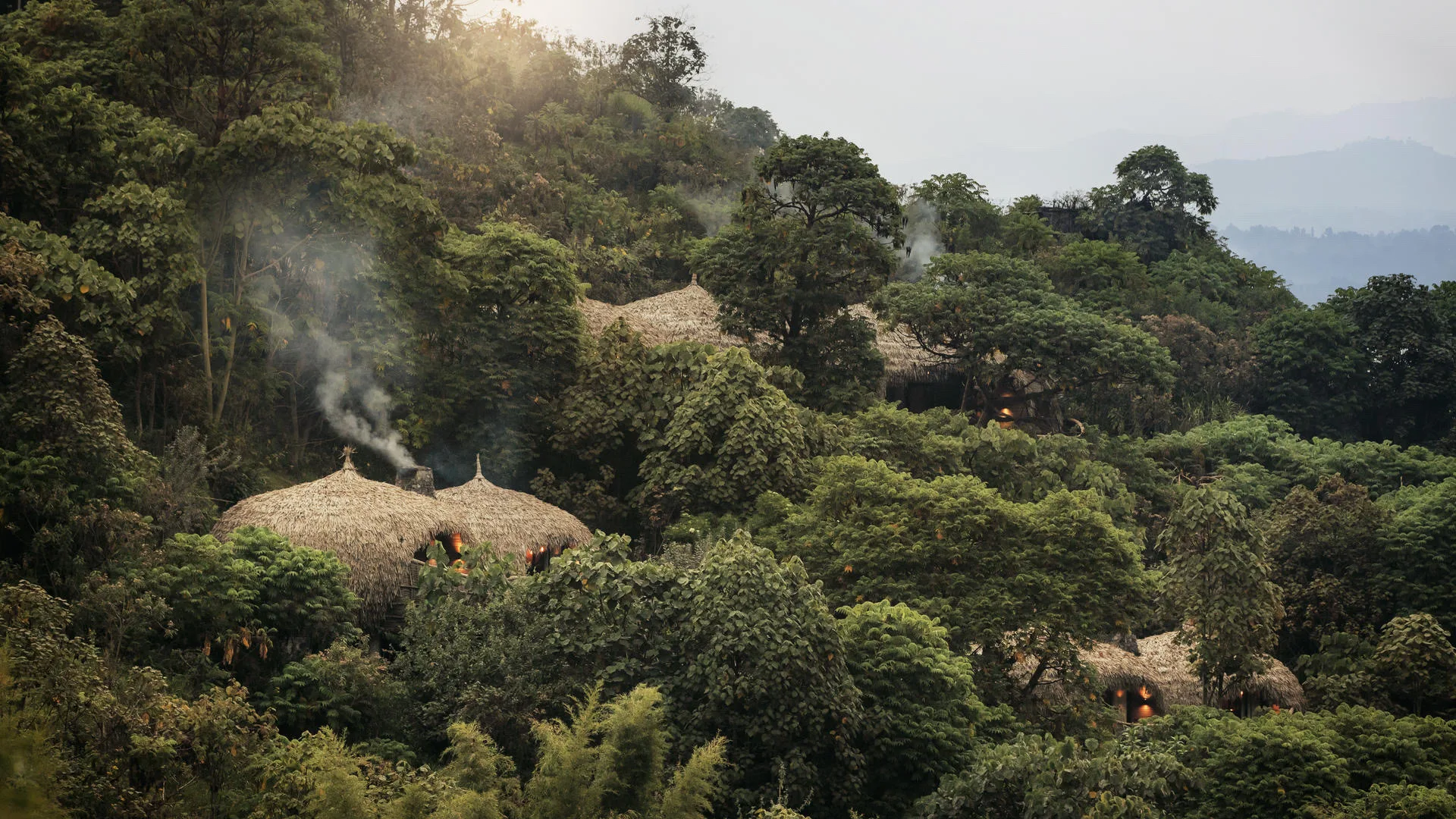
Volcanoes National Park holds around a dozen habituated mountain gorilla families on the Virunga slopes, two to three hours from Kigali airport. That short transfer makes Rwanda the least demanding way to reach gorillas anywhere in Africa. Permits are USD 1,500, the highest on the continent, and the premium is deliberate: fewer people in the forest and some of the finest lodges in Africa on the park boundary. Akagera is the surprise. African Parks reintroduced lion in 2015 and black rhino in 2017, so Rwanda now offers gorilla trekking and a genuine Big Five park in the same week.
Explore Rwanda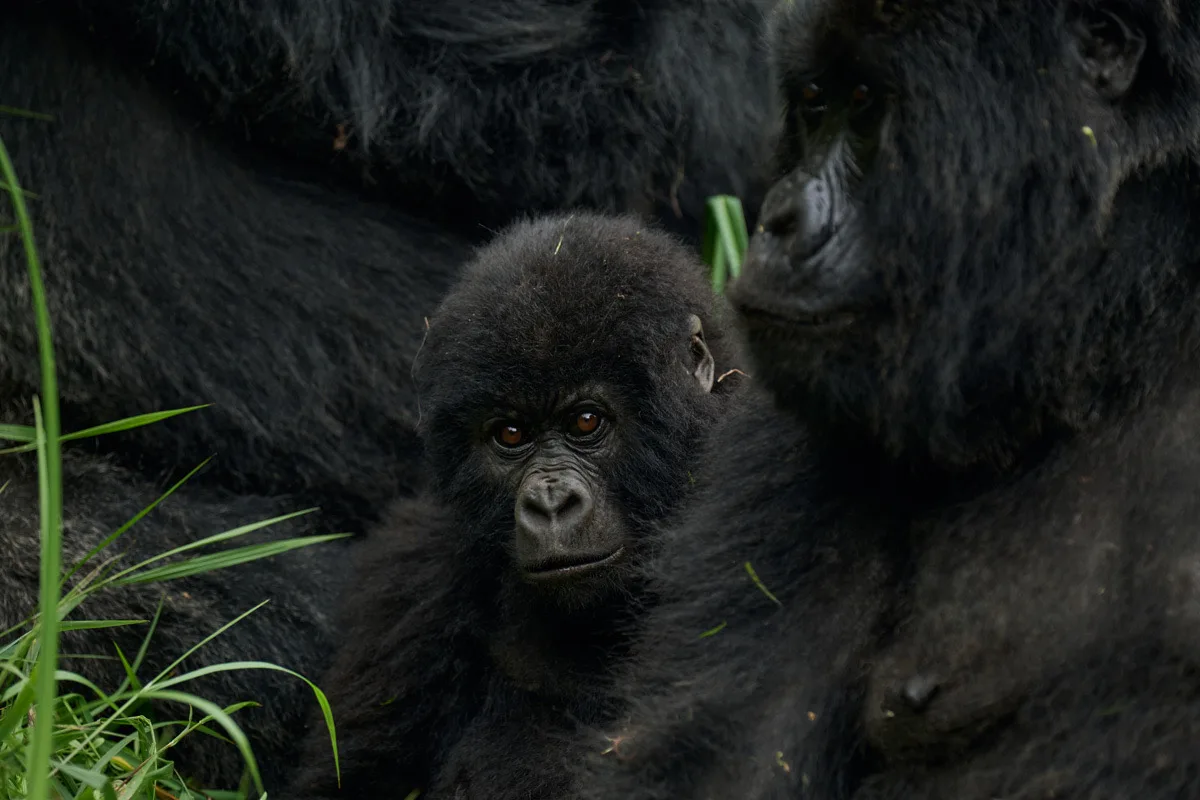
Uganda takes more effort to travel and returns more variety for it. Bwindi Impenetrable Forest has more habituated gorilla families than anywhere else, and permits cost USD 800 against Rwanda's USD 1,500. Kibale holds the largest habituated chimpanzee population in East Africa, Queen Elizabeth has the tree-climbing lions of the Ishasha sector, and Murchison Falls puts the Nile through a seven-metre gap in the rock. Rhino are absent outside the Ziwa sanctuary, so this is not a Big Five country, and travellers who come for the primates rarely mind. Read the full comparison in our Rwanda vs Uganda gorilla trekking guide.
Explore UgandaThe Ngorongoro Crater is a collapsed volcanic caldera containing a complete, self-sustaining ecosystem and one of the world's highest concentrations of large predators. It is possible to see the Big Five in a single morning inside the crater walls. Amboseli in Kenya puts elephant herds in the foreground with Mount Kilimanjaro rising behind them, a landscape that has produced some of Africa's most iconic wildlife photographs. Finish your trip in Zanzibar for a genuine bush-and-beach combination: white sand, clear water and the kind of rest that an intense safari week earns.
Add a Beach ExtensionThe most important decision in an East Africa trip is when to go. Tell us your dates and what you most want to see, and we will build an itinerary around the wildlife calendar.
Get in Touch