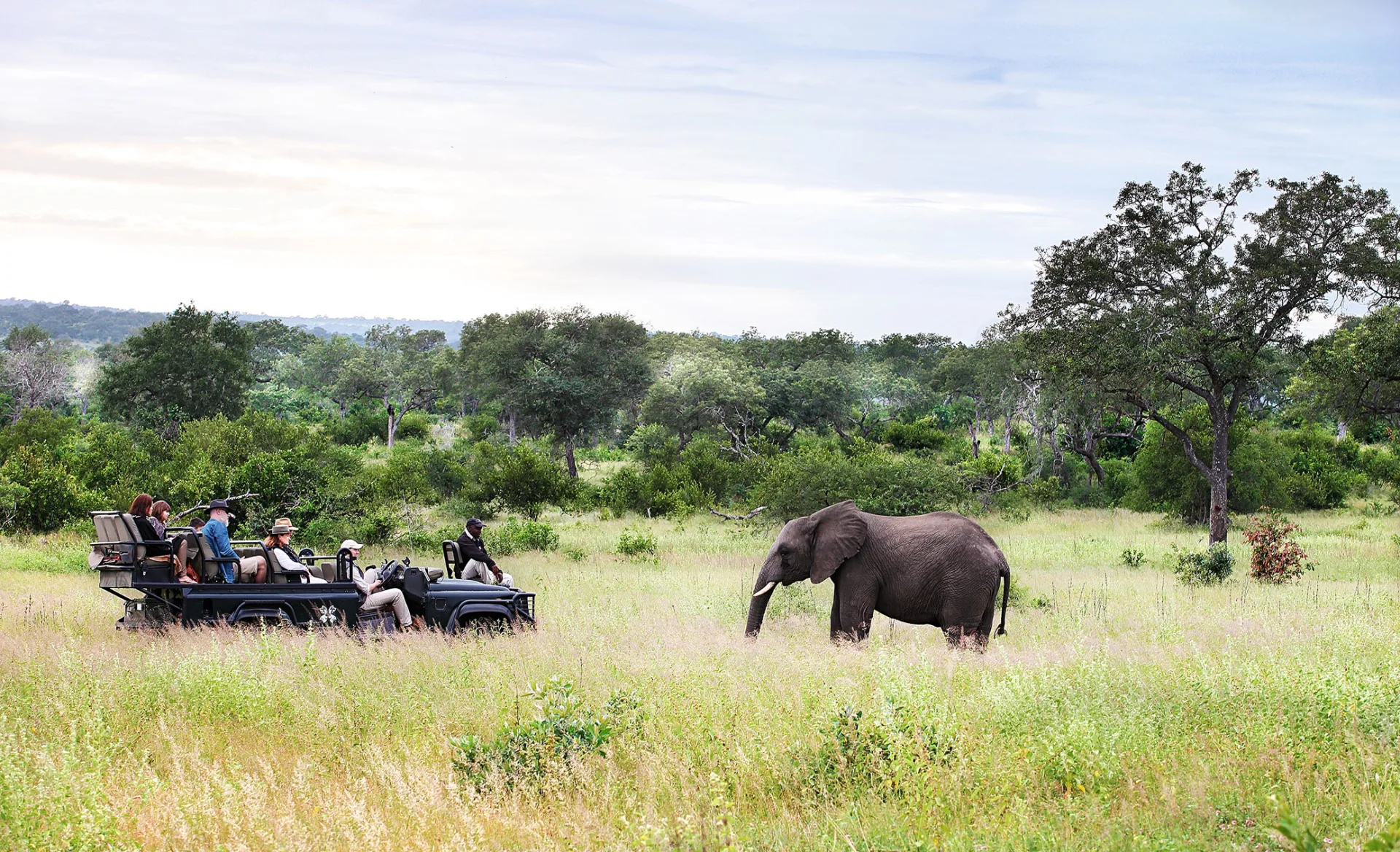
Private reserves, the Okavango Delta and the thundering spray of Victoria Falls. This is the part of Africa Jarryd knows best.
This is not a region we know through brochures. We have walked the traversings, been out in the cold season and in the heat, and kept the relationships with the rangers and trackers at the lodges we recommend. That is what decides which camp goes into an itinerary and which one quietly does not.
Southern Africa also pairs well with other destinations. Cape Town, the Winelands, the Garden Route and the Mozambique coastline all sit within reach of South Africa's major reserves, making it easy to build a varied trip that goes well beyond the safari.
The depth of South Africa's private game reserve system is difficult to match anywhere on the continent. From the Sabi Sands in the north to the KwaZulu-Natal coast in the east, the range of landscapes, wildlife and lodge experiences is wider than anywhere else on the continent. The country also has the infrastructure to make travel straightforward, and the ability to add Cape Town or the Winelands at the start or end of any safari.
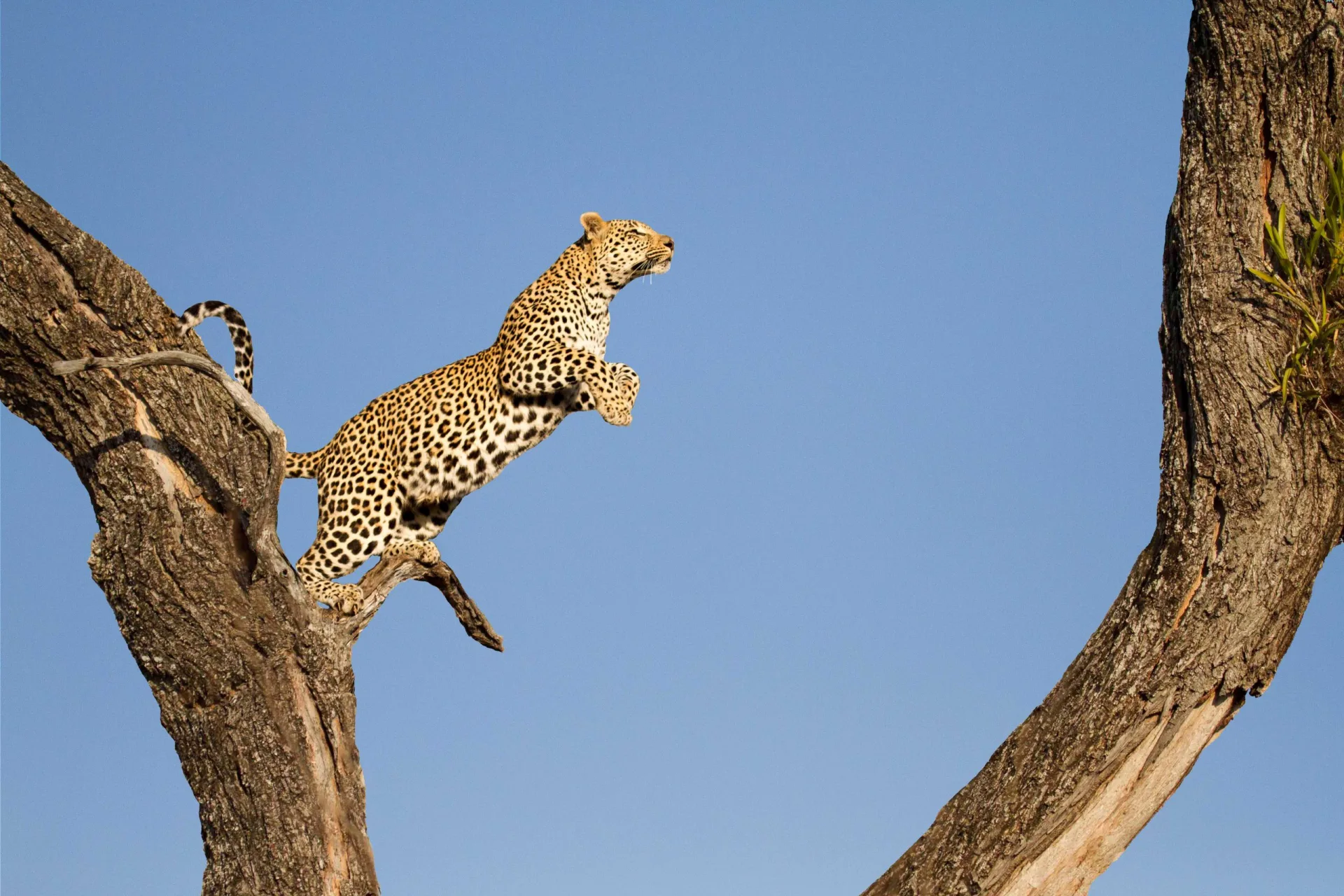
The Sabi Sands shares an unfenced border with Kruger National Park and is home to some of the most habituated leopards in Africa. The reserve's leopard viewing and its lodges, including Londolozi, Singita and Sabi Sabi, make it the benchmark against which most South African safari experiences are measured. It is a particular favourite for honeymoon safaris and photographic trips.
Explore the Sabi Sands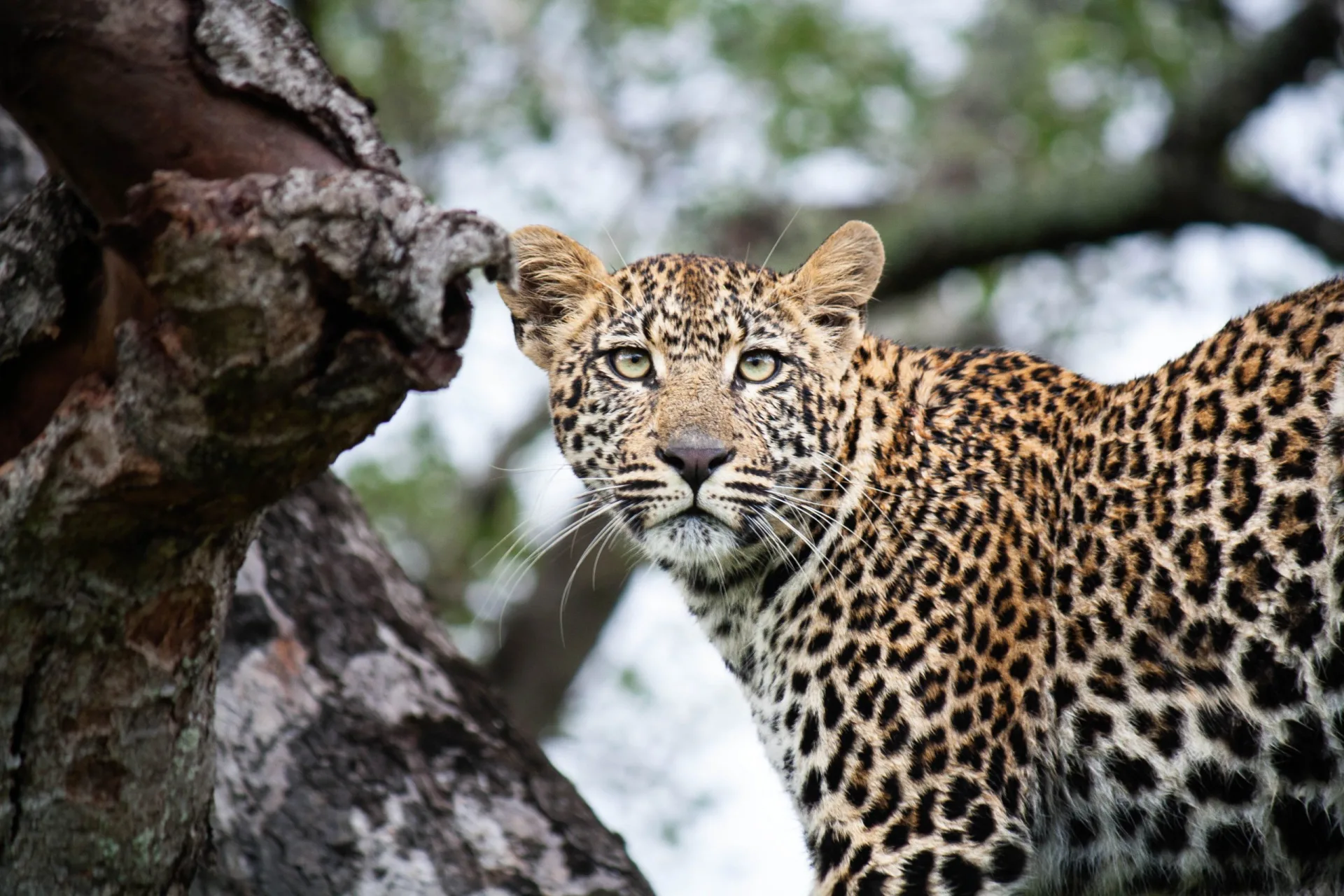
The private concessions bordering the national park operate with exclusive traversing rights and far fewer vehicles in the field than Kruger itself. This makes for a more intimate experience with better guiding and higher-end accommodation. For travellers who want serious wildlife encounters without the crowds, these concessions regularly outperform expectations.
Explore the Kruger
South Africa's largest privately owned game reserve sits in the Northern Cape Kalahari and offers something entirely different from the bushveld. Wide red dunes, long summer grasses and a species list that includes desert black rhino, pangolin, aardvark and brown hyaena. The Tswalu Foundation runs active conservation research programmes that guests can join, and private vehicles make it one of the best reserves in the country for wildlife photography.
Explore Tswalu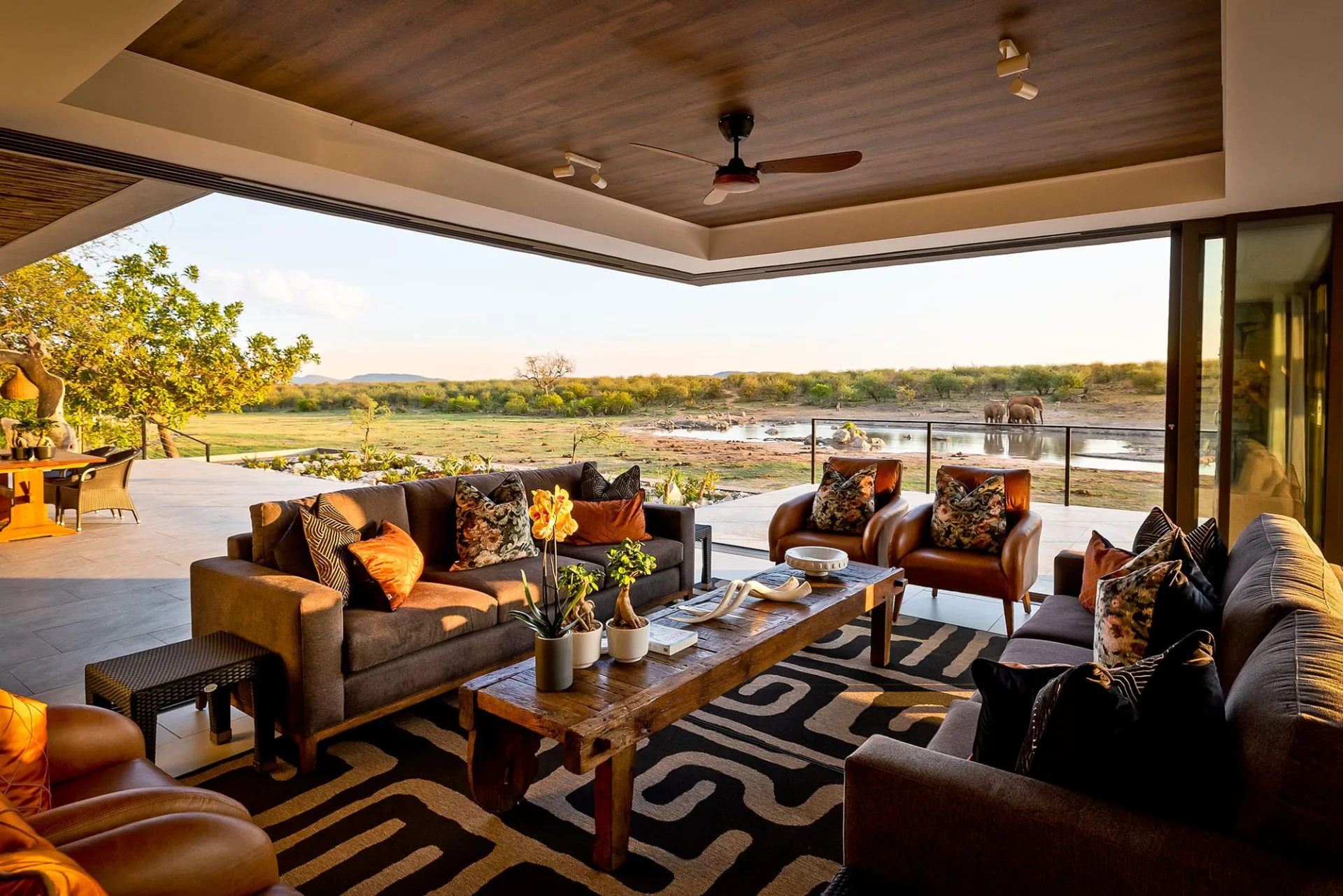
Malaria-free, Big Five and within two and a half hours of Johannesburg. Madikwe punches well above its weight for game viewing, particularly for African wild dog sightings. The range of lodges suits different budgets and the absence of malaria risk makes it one of the strongest choices for a family safari in South Africa.
Explore Madikwe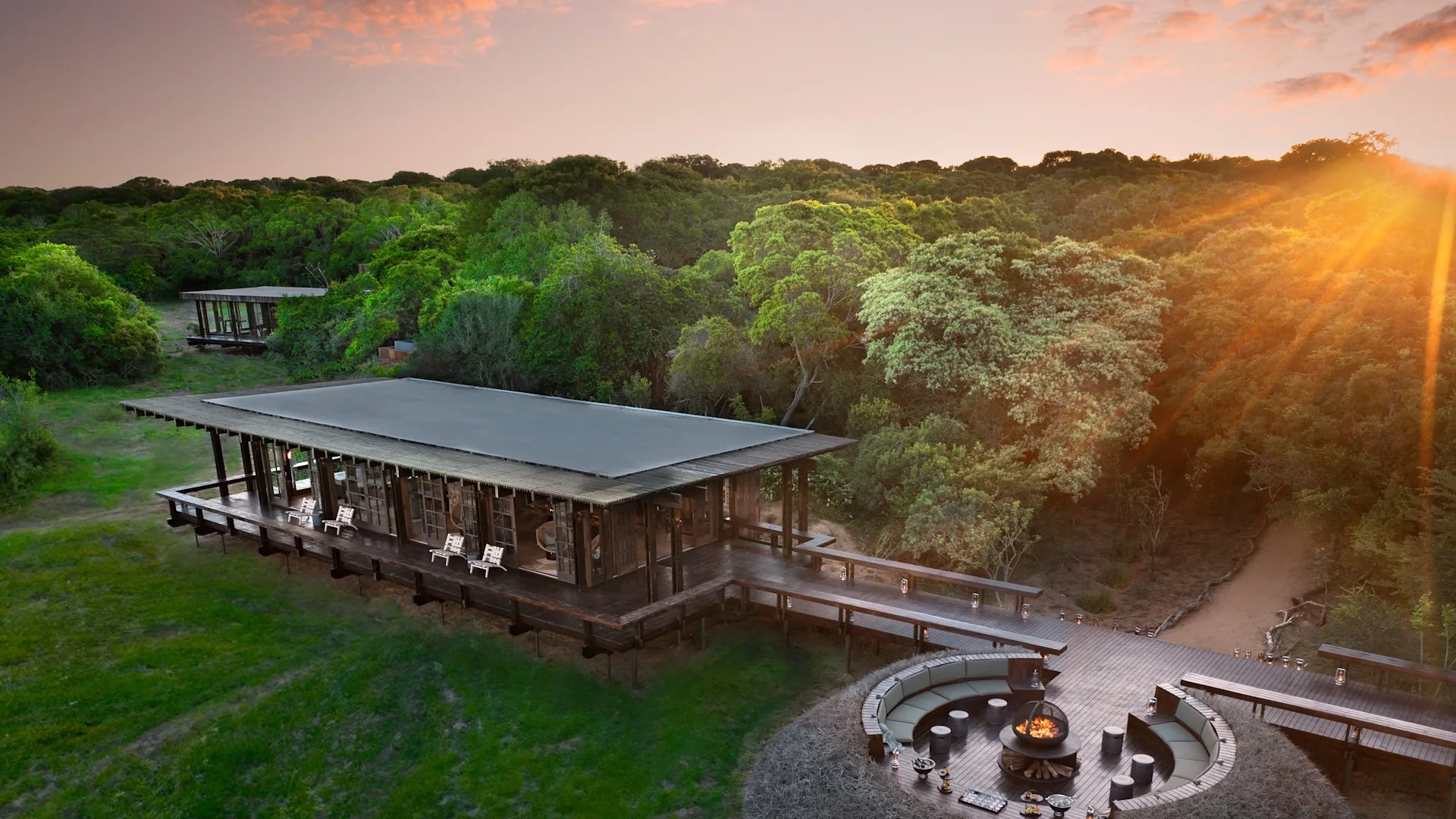
Phinda sits in KwaZulu-Natal and spans seven distinct ecosystems across restored farmland. Its conservation programme is one of the most accessible to guests anywhere in Africa, from rhino notching to pangolin tagging. The proximity to the Maputaland coastline also makes it one of the few reserves where you can combine a safari with Indian Ocean beaches on the same trip.
Explore Phinda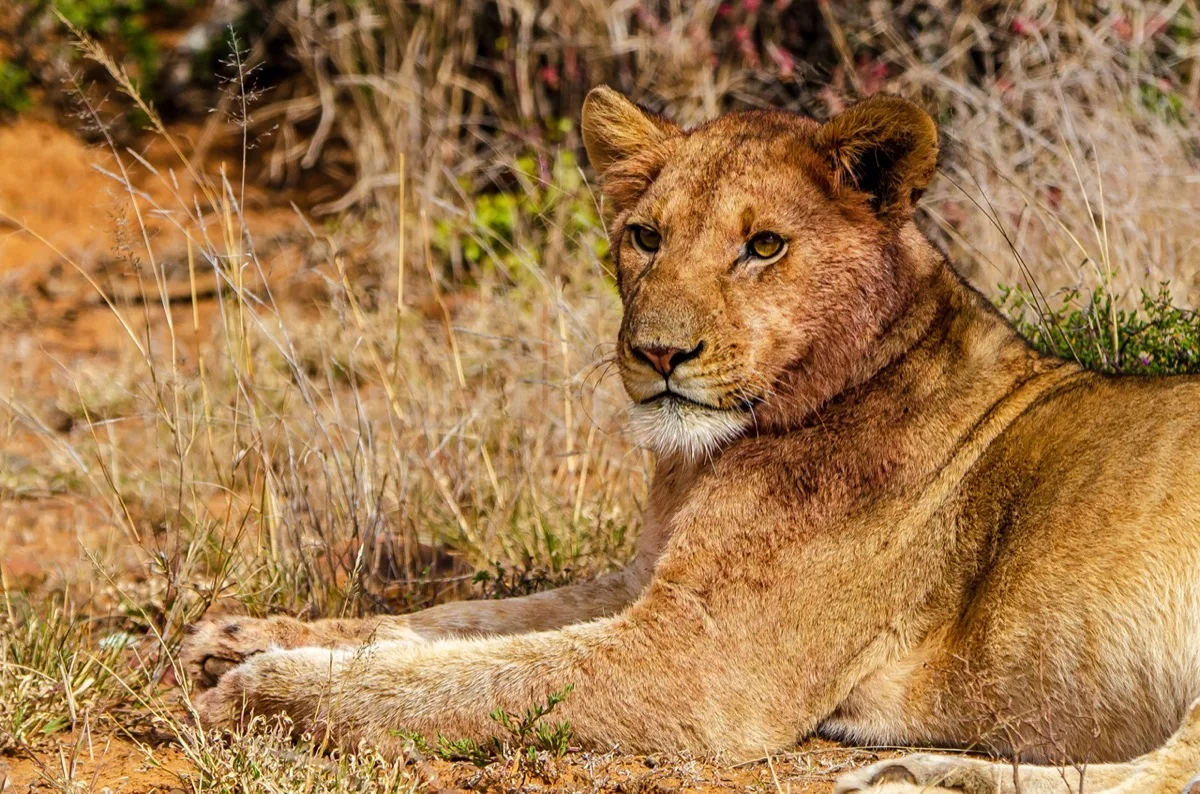
Kwandwe is a malaria-free Big Five reserve in the Eastern Cape, restored from farmland into 22,000 hectares of thornveld and river valley. It is one of the country's strongest conservation reserves, with a black rhino programme that guests can take part in, and its exclusive-use villas make it a fine choice for families. The Eastern Cape setting pairs naturally with the Garden Route.
Explore KwandweBotswana's approach to tourism is deliberate: high cost, low volume, and committed to keeping its wild areas genuinely wild. That policy has worked. The Okavango Delta, the Chobe River system and the Linyanti wetlands hold some of the highest wildlife concentrations on the continent, in landscapes that feel genuinely remote. Botswana is for travellers prepared to spend more for an experience that most safari destinations cannot replicate.
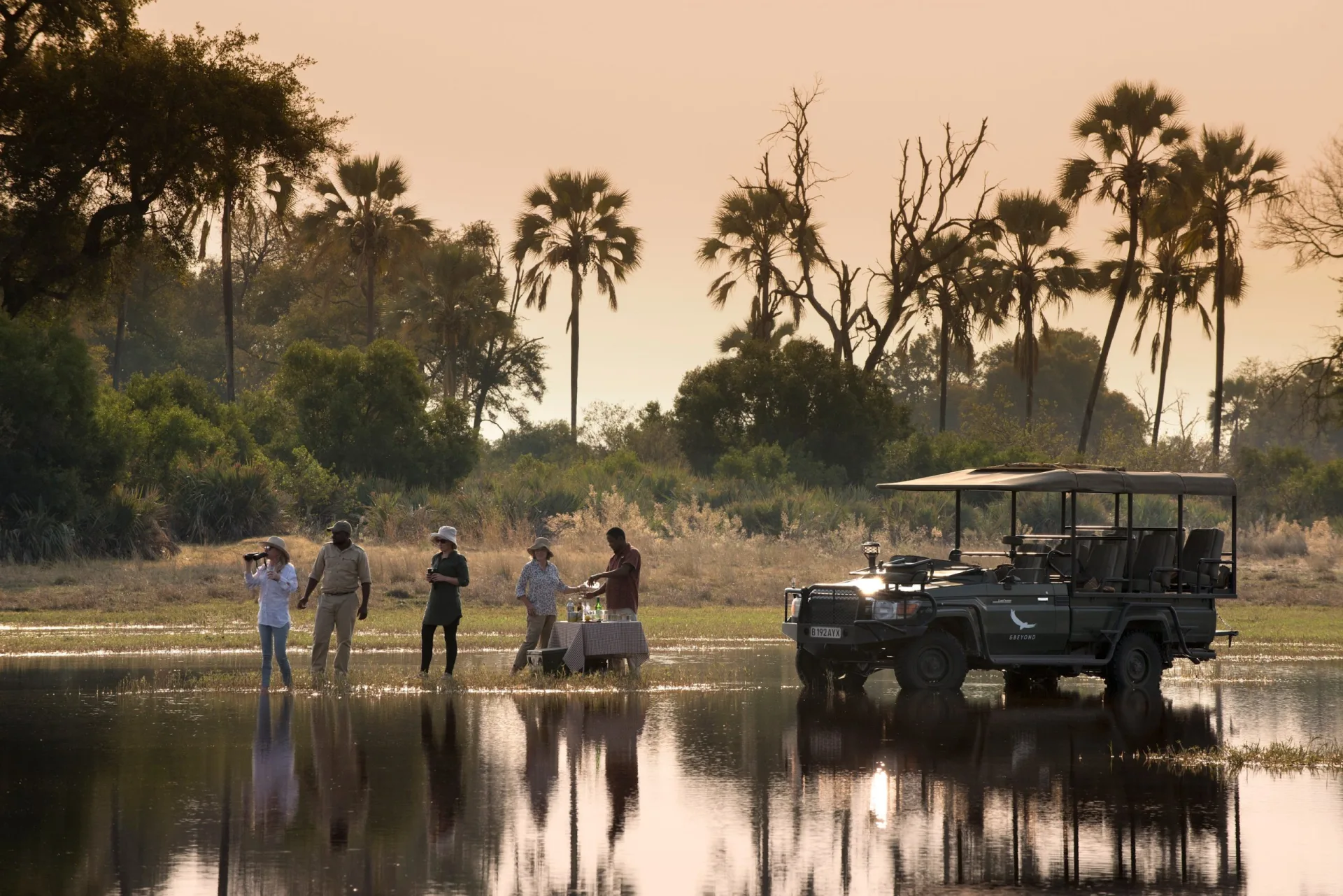
A UNESCO World Heritage Site and one of the largest inland deltas on earth. The Delta floods every year, drawing in wildlife from surrounding areas and creating a water-and-land safari experience found nowhere else in Africa. Game drives, mokoro canoe trips, bush walks and boat safaris all operate from the same camp. The Delta's mix of water, floodplains and open sky also makes it one of Africa's finest photographic safari destinations.
Explore the Okavango Delta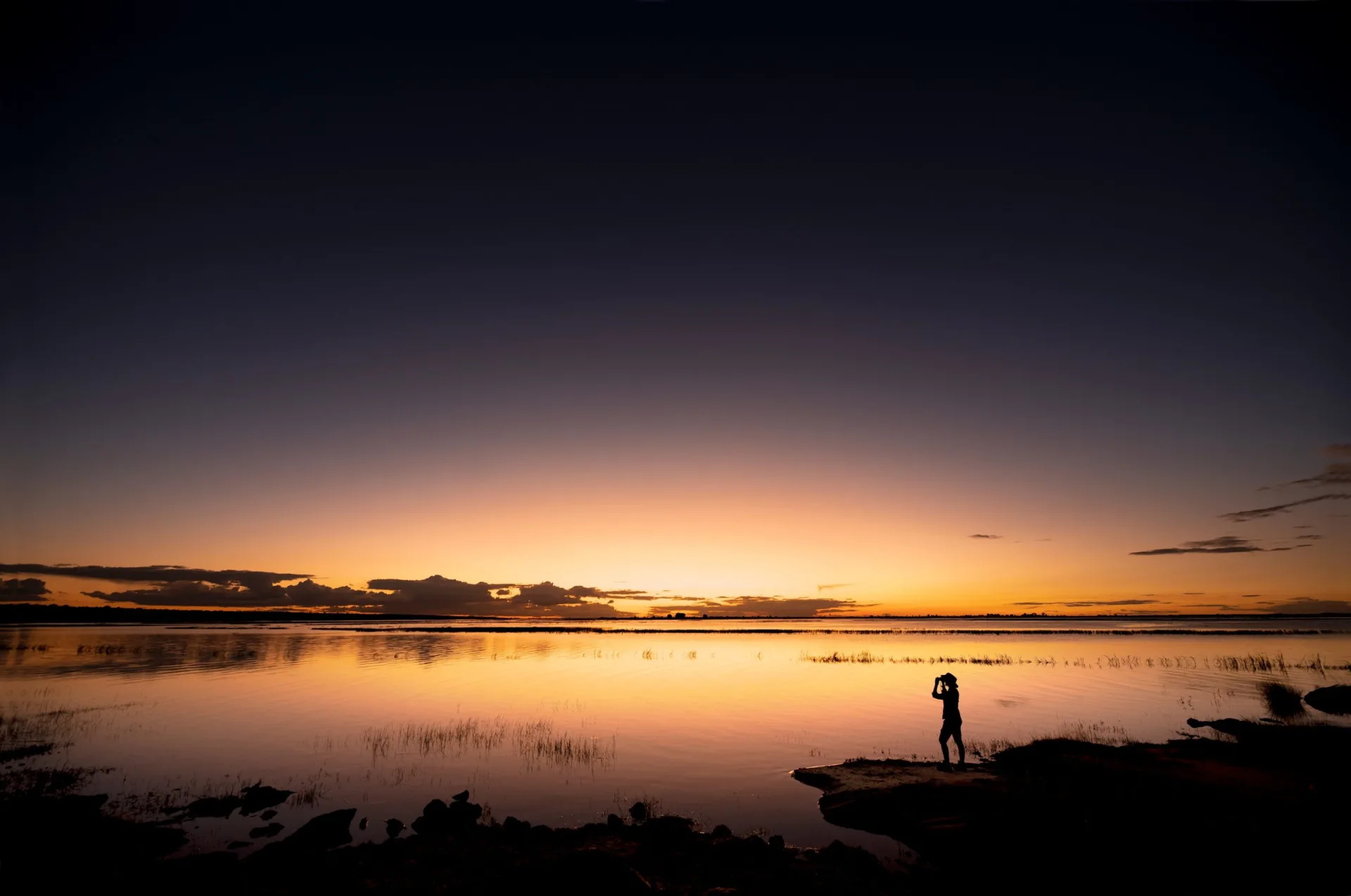
Chobe holds Africa's largest elephant population, and during the dry season the herds that gather along the Chobe River number in the thousands. Boat safaris here put you at water level alongside hippo, crocodile and buffalo crossings. Chobe links naturally with the Okavango Delta and Victoria Falls to form one of Southern Africa's best multi-destination itineraries.
Explore ChobeVictoria Falls is reason enough to cross into Zimbabwe or Zambia on any Southern Africa trip. Hwange National Park offers an elephant and predator experience that is both underrated and substantially cheaper than its more famous neighbours. Zambia's South Luangwa is where the walking safari was invented, and it remains the best place in Africa to do one seriously. Namibia is different again: the Sossusvlei dunes, desert-adapted lion and elephant in Damaraland, and Etosha's photographic waterholes make it a destination that rewards travellers looking for something beyond the conventional safari. We weave all of these into multi-country itineraries.
Plan a Multi-Country SafariTell us which part of Southern Africa appeals to you, what you are hoping to see, and we will build an itinerary that makes the most of your time and budget.
Get in Touch