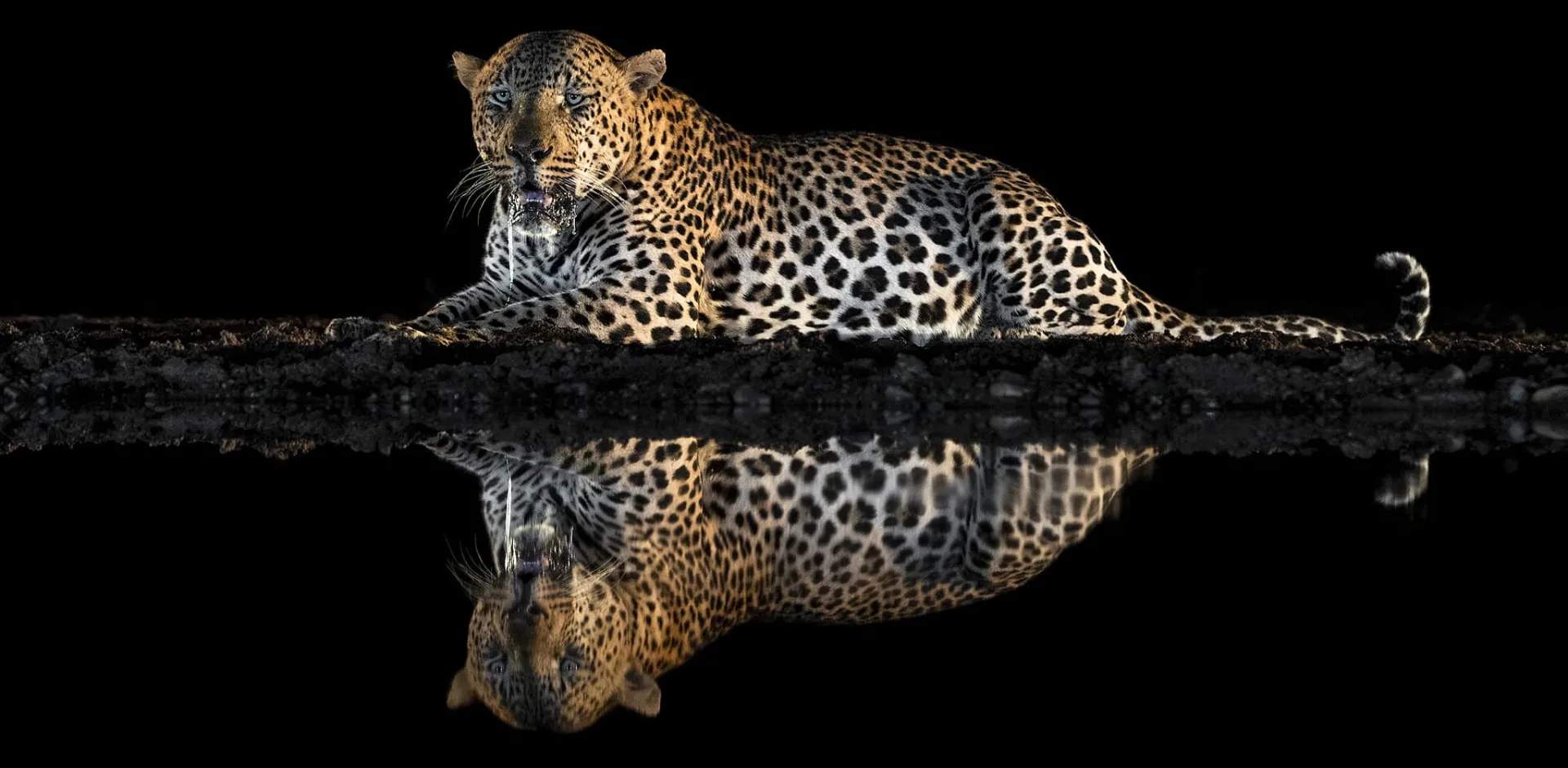
Wildlife photography rewards patience, positioning and insider knowledge. These are the reserves and lodges that give you the best chance of getting the shot.
Photography shapes which reserves and lodges Wild Moments recommends for photographic trips. Most safari guests photograph their wildlife experiences. But a photographic safari means something more specific: choosing reserves for their wildlife behaviour and accessibility, lodges that offer low-sided or purpose-built photographic vehicles, and guides who understand golden hour, background, depth of field and how to position a vehicle for the best angle rather than just the closest one.
You might shoot with a DSLR and a 500mm prime, or want to learn the basics on a mirrorless camera. Either way, the quality of your guide and the design of your vehicle matter more than most people realise before they get out there.
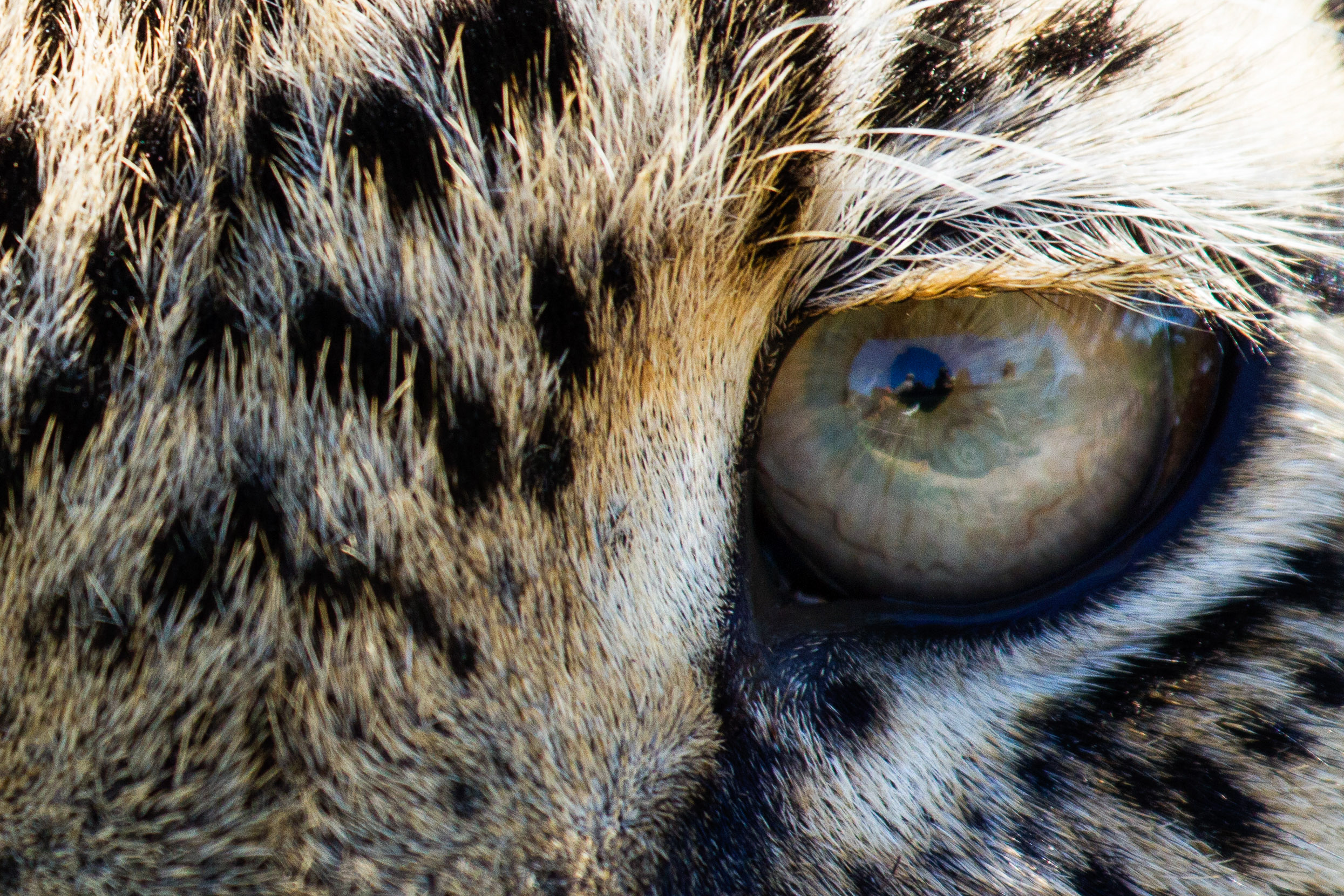
Londolozi has been photographing its leopards for decades, and many of the big cats here are completely habituated to vehicles, which means close, relaxed, extended sightings that give photographers real time to work. Dedicated photographic safaris use specially adapted vehicles with camera beanbags and guides trained to think like photographers. The lodge's archives of wildlife images are themselves a benchmark for what is possible here. Read more about the Sabi Sands and the other reserves in this region in our Southern Africa destination guide.
Explore the Sabi Sands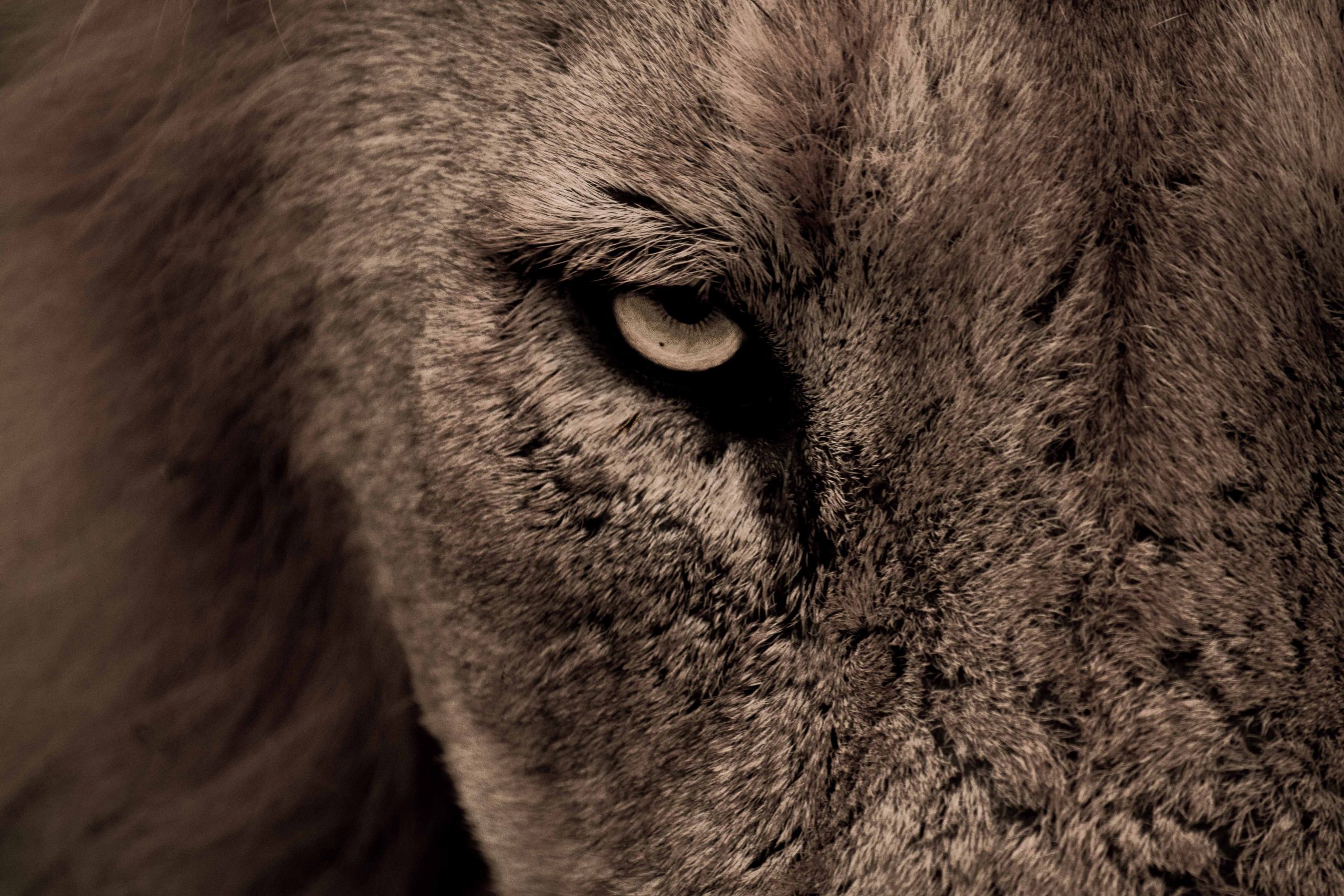
The Kalahari offers a photographic palette unlike anything else in Africa. Red sand dunes, wide skies and subjects that are difficult or impossible to photograph elsewhere: habituated meerkats at eye level, pangolin encounters, aardvark at night and cheetah on open ground. Private vehicles mean there is no time pressure and no other guests in the frame.
Explore Tswalu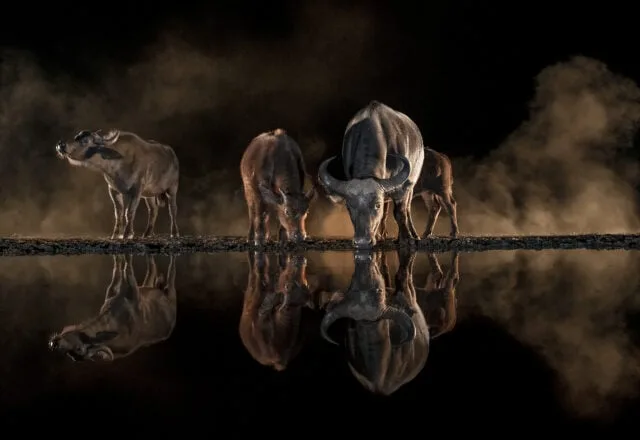
Purpose-designed for photography. Zimanga has a network of hides unlike anything else in South Africa: underground water-level hides that put you eye-level with drinking animals, overnight hides for nocturnal species including leopard, genet and honey badger, and scavenger hides built for the species most lodges overlook. For serious wildlife photographers, this is essential.
Explore South Africa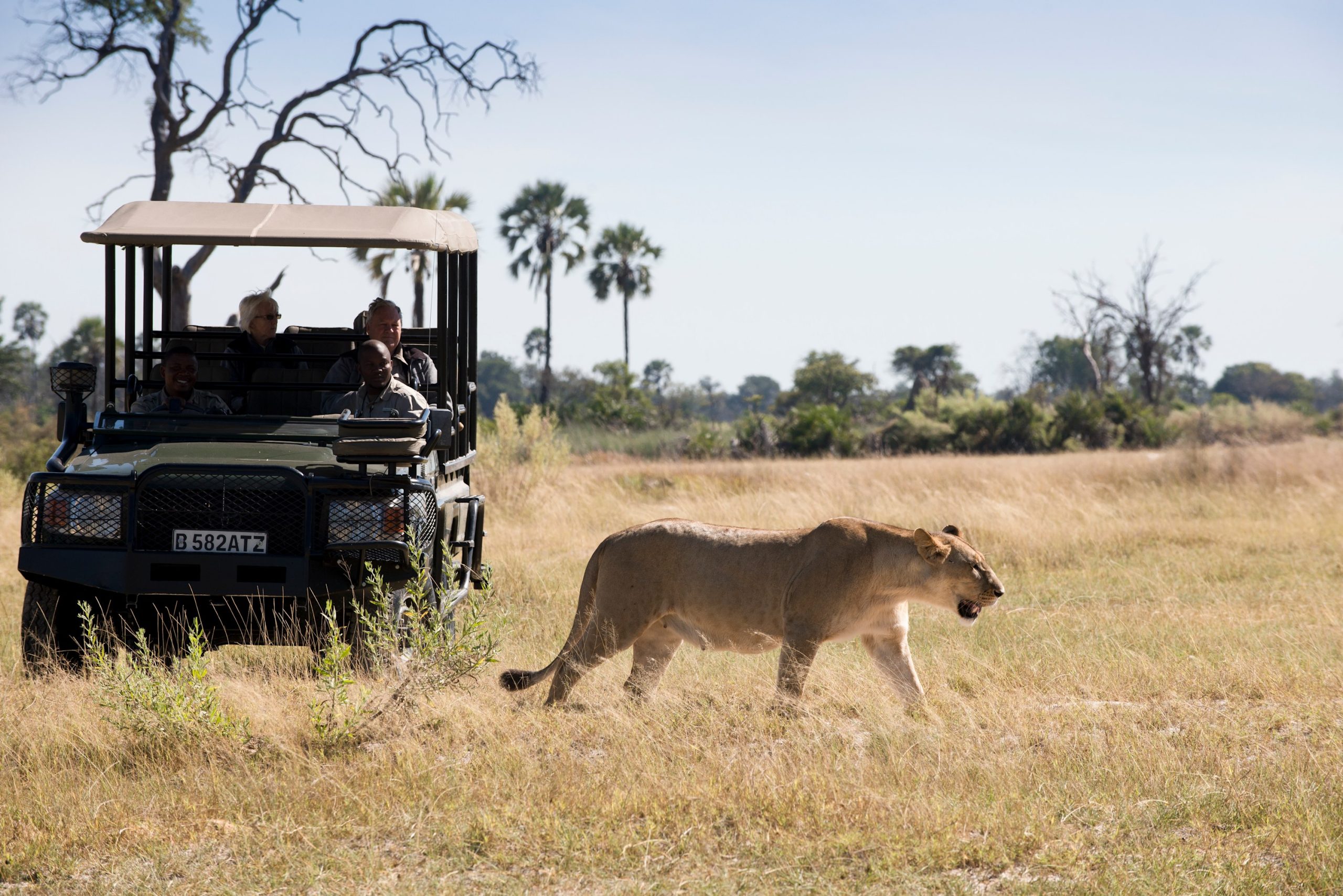
The Delta's combination of water, floodplains and dense vegetation creates photographic situations that a conventional game reserve cannot replicate. Shooting from a mokoro at water level, photographing elephant against reflected sky, or capturing wild dog packs in open grassland: the visual possibilities here are genuinely distinct. Seasonal flooding shifts the landscape entirely between visits. The Delta is covered in detail in our Southern Africa guide.
Explore the Okavango DeltaThe difference between a good sighting and a good photograph is position, light and time. Guides who shoot understand all three.
Your photographic priorities guide every recommendation. If there is a specific species, behaviour or landscape you are hoping to capture, share that with us, because it changes which reserves and which time of year we suggest. If conservation fieldwork alongside your photography interests you, our conservation safari page covers several reserves that combine both.
Plan Your Photographic Trip