
Serengeti
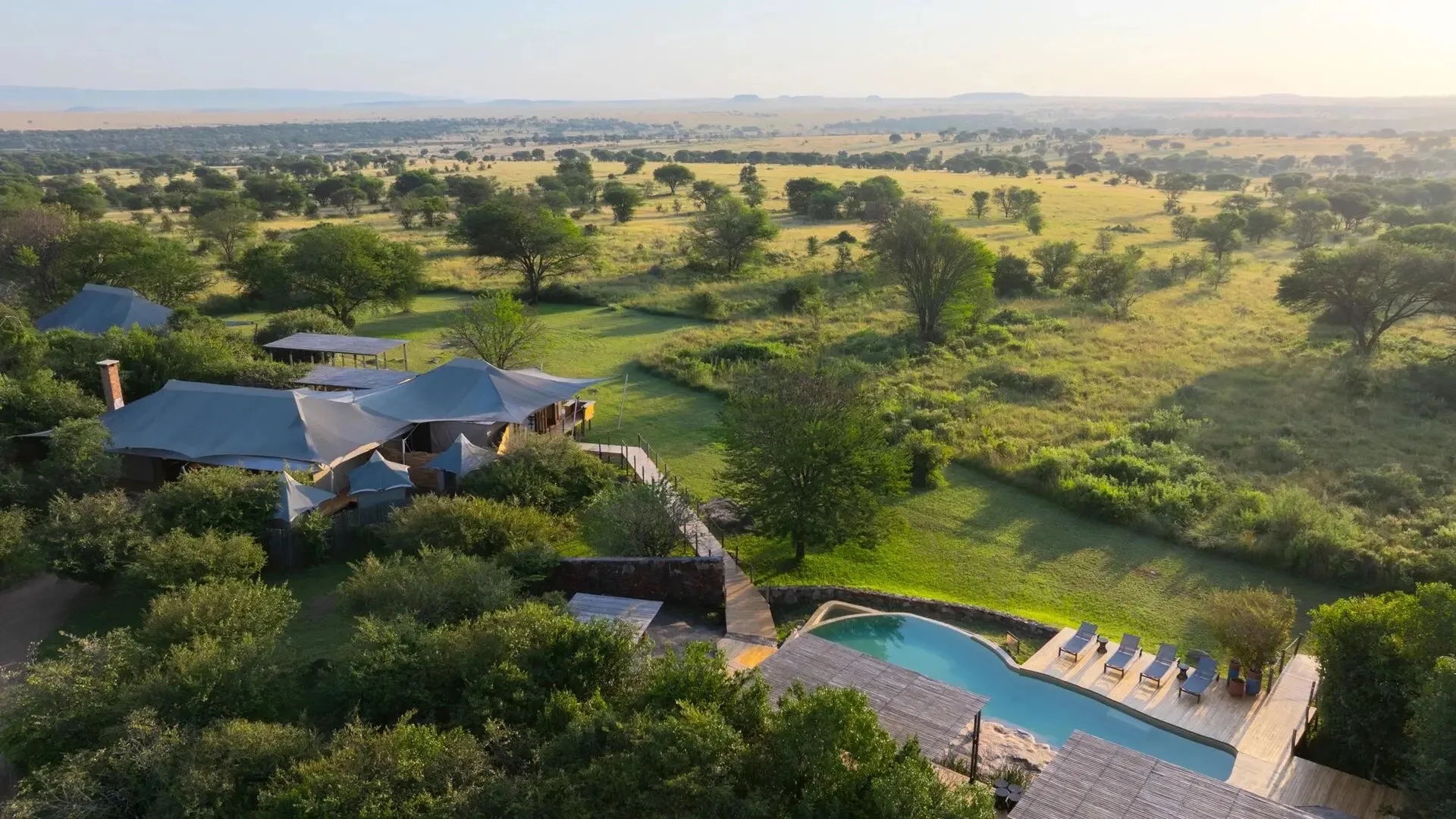
Northern TanzaniaNearly 15,000 square kilometres of plains, kopjes and rivers, home to the Migration and some of the highest big-cat densities on earth.
Explore Serengeti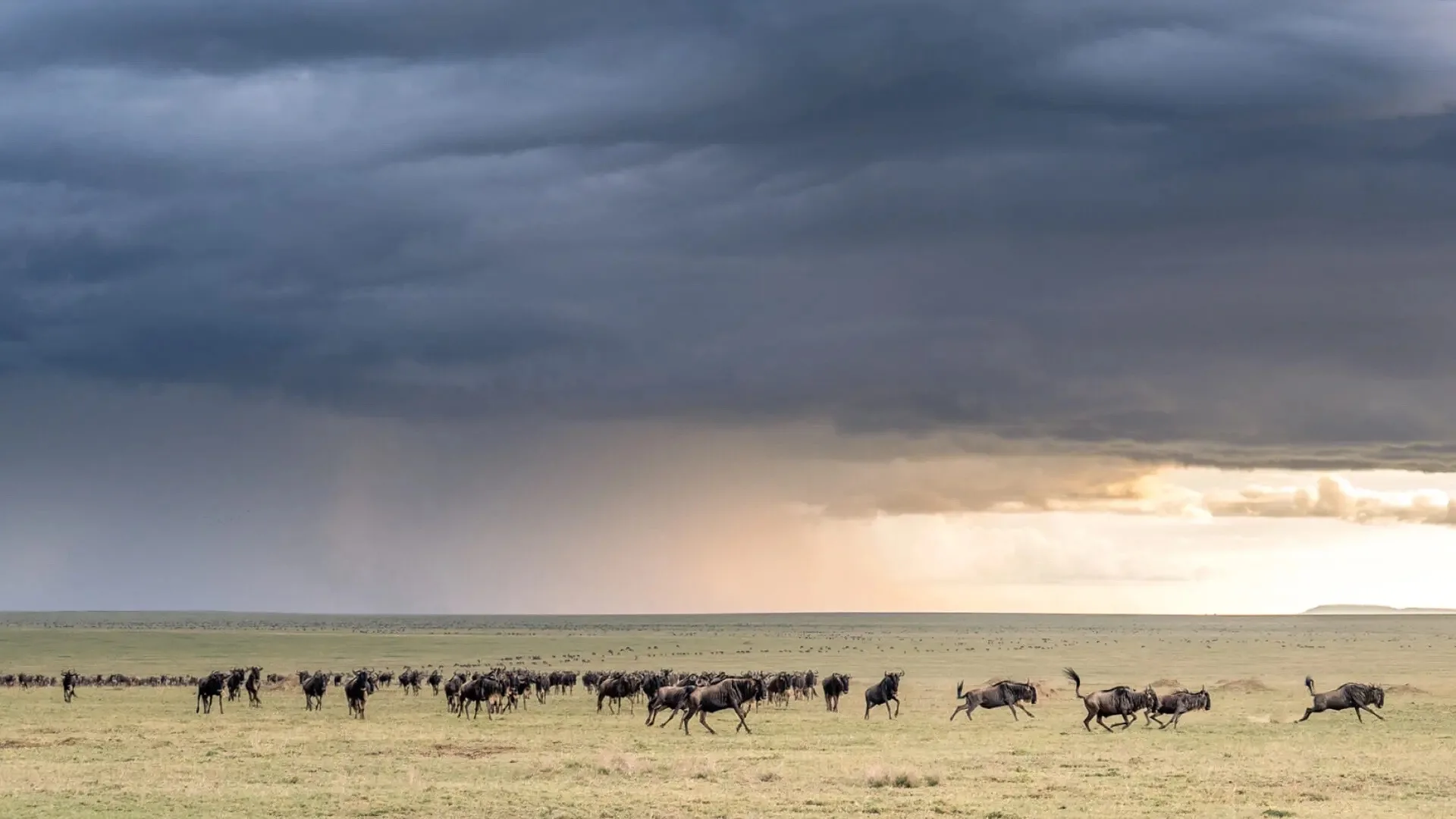
The Serengeti, the Ngorongoro Crater and the heart of the Great Migration, on a scale that no other country matches.
Plan My SafariTanzania is the giant of the East African safari. It holds the Serengeti, the Ngorongoro Crater and the greater part of the Great Migration, which spends most of the year inside its borders. For sheer scale and density of wildlife, no country on the continent quite compares.
The northern circuit is the classic route: the endless plains of the Serengeti, the self-contained world of the Ngorongoro Crater, and the elephants and baobabs of Tarangire, all within a few hours of one another. It is where most first trips to Tanzania go, and for good reason.
Further south and west lies a wilder Tanzania that far fewer people see. Ruaha and Nyerere, formerly part of the vast Selous, offer huge predator populations, walking and boating safaris, and a sense of remoteness the north has lost. Add Kilimanjaro and the beaches of Zanzibar, and Tanzania can fill a trip on its own or pair with Kenya next door.
The Great Migration spends most of the year in Tanzania, from the calving on the southern Serengeti plains in February to the river crossings in the north. Read our Great Migration guide.
A collapsed volcanic caldera holding a complete, self-contained ecosystem, with the Big Five and one of the best chances of black rhino in East Africa, all within its walls.
The Serengeti alone covers nearly 15,000 square kilometres, and Ruaha and Nyerere in the south are wilder still. Tanzania protects more of its land for wildlife than almost any country on earth.
Ruaha and Nyerere trade crowds for space, with huge lion prides, walking safaris and boat safaris on the Rufiji, and some of the best African wild dog viewing in the region.
Few combinations beat a Serengeti safari followed by the white sand and turquoise water of Zanzibar, a short flight away. It is the classic Tanzanian finale.
Endless golden plains and granite kopjes, baobab-studded valleys and the snows of Kilimanjaro give Tanzania a backdrop that lives up to the wildlife.
Lion, leopard, elephant and buffalo are widespread, and the Ngorongoro Crater offers one of the better chances of black rhino in East Africa, making the full Big Five achievable.
The Serengeti carries some of the highest lion densities on earth, cheetah hunt the open plains, and leopard haunt the kopjes and riverine forest. Ruaha holds famously large prides.
Roughly two million wildebeest, zebra and gazelle move through the Serengeti in a year-round cycle, from the February calving at Ndutu to the Mara River crossings in the north from July.
The southern circuit is a stronghold for endangered African wild dog, and Ruaha sits where East and Southern African species overlap, with both greater and lesser kudu.
Well over 1,000 species, from flamingos on the soda lakes of the Rift to the specials of the southern miombo woodland, with migrants swelling the numbers from November.
Endless plains, dramatic skies and the Migration give Tanzania some of Africa's most cinematic settings. See our photographic safaris.
Tanzania splits into the famous northern circuit, built around the Serengeti and Ngorongoro, and the wilder southern and western parks. These five span the country, from the Migration plains to the remote Ruaha and Nyerere.
Nearly 15,000 square kilometres of plains, kopjes and rivers, home to the Migration and some of the highest big-cat densities on earth.
Explore Serengeti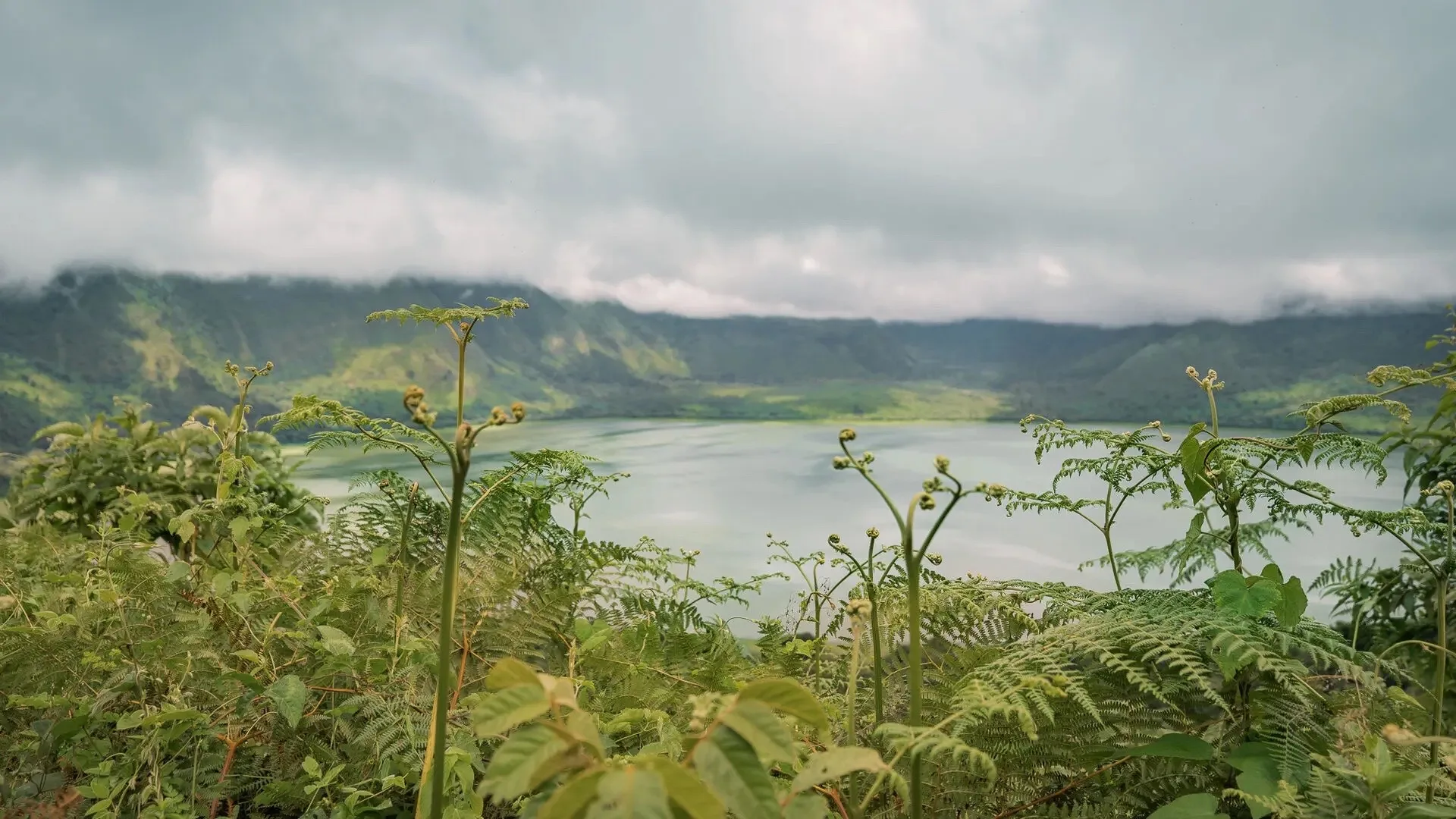
The world's largest intact volcanic caldera, packed with around 25,000 animals including lion, elephant and black rhino.
Explore Ngorongoro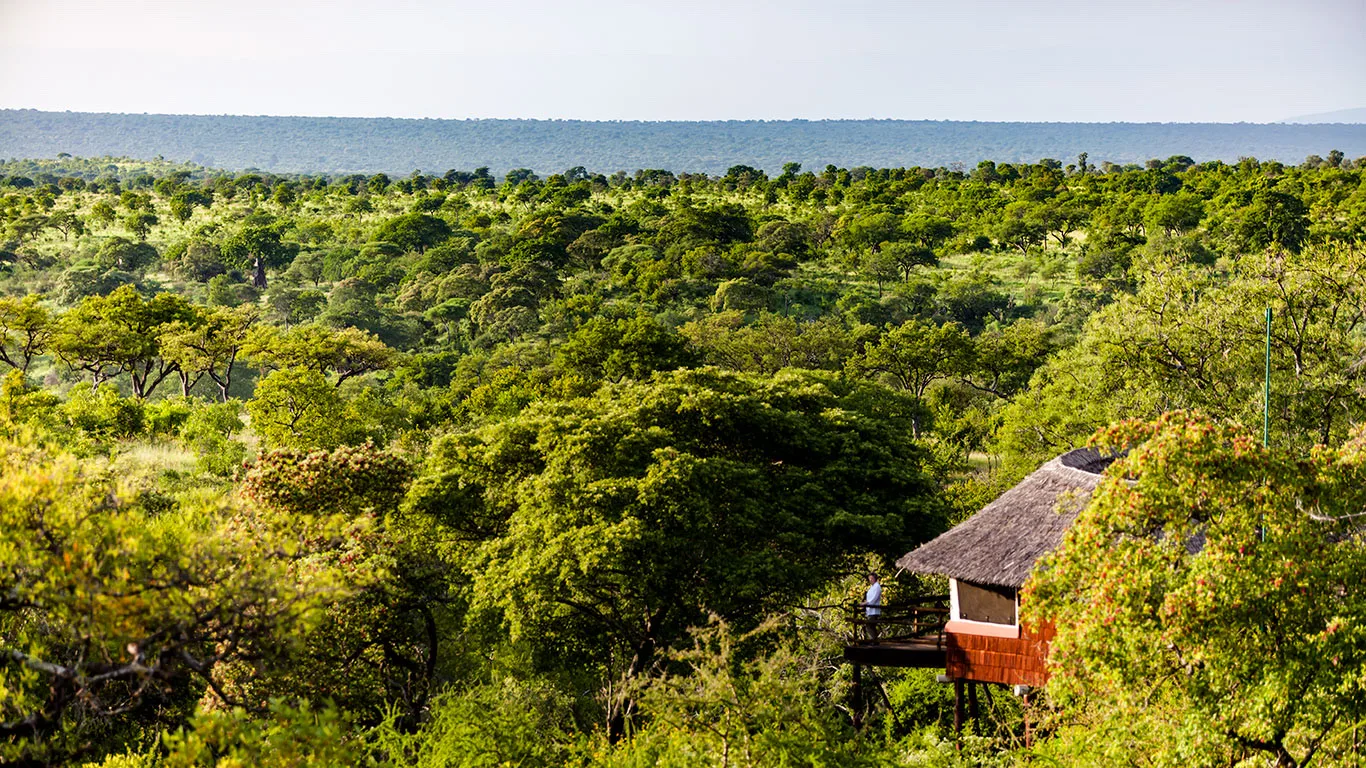
Famous for huge dry-season elephant gatherings and baobab-studded landscapes, with far fewer vehicles than the Serengeti.
Explore Tarangire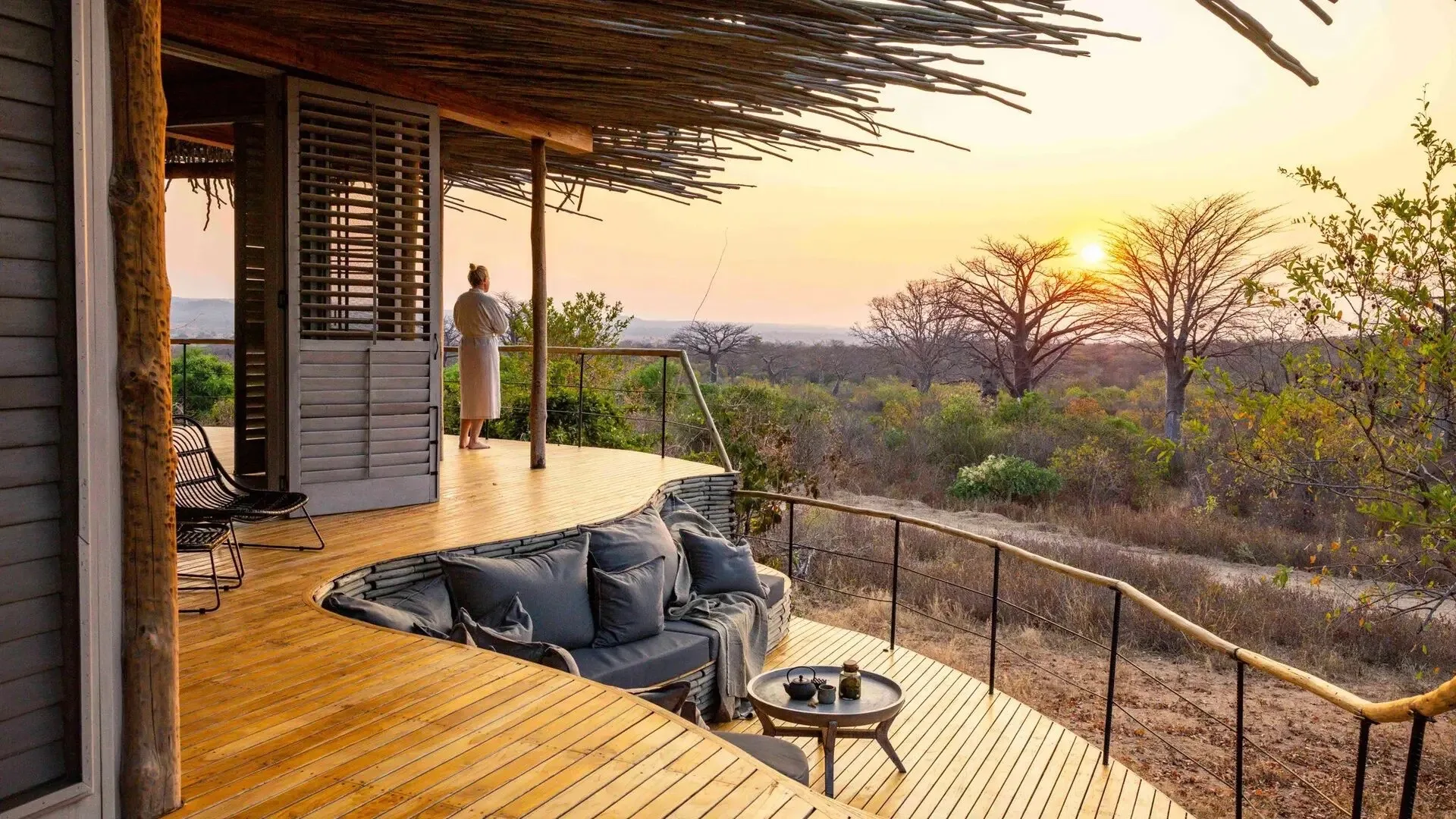
A vast, little-visited southern wilderness where East and Southern African species meet, with famously large lion prides.
Explore Ruaha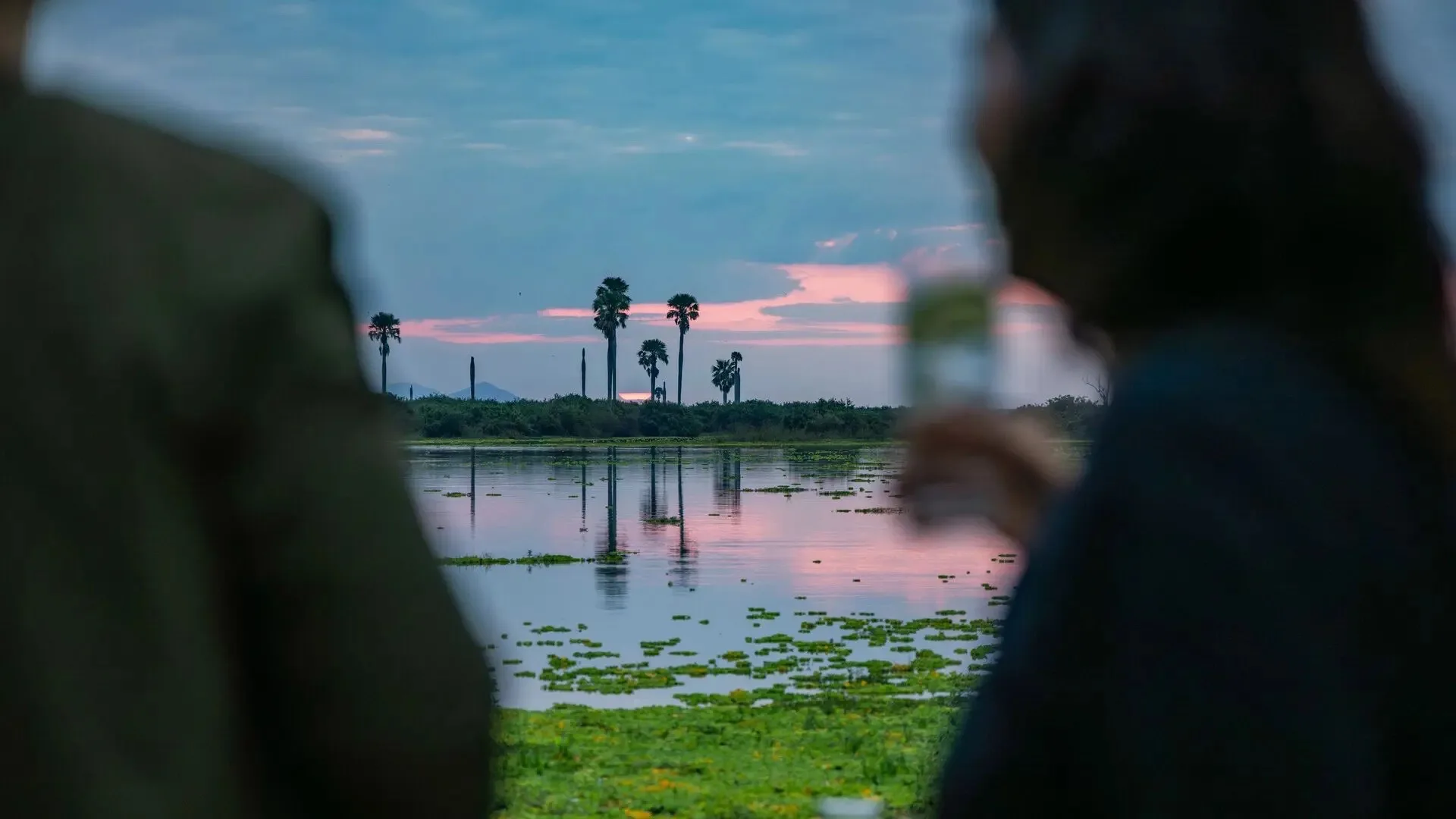
Carved from the vast Selous, a wild river wilderness of boat safaris, walking and one of Africa's best wild dog populations.
Explore Nyerere National Park| Reserve | Best for | Best time | Suggested stay | Style |
|---|---|---|---|---|
| Serengeti | Great Migration, big cats, first-timers | Jun to Oct, Jan to Feb | 4 to 5 nights | Mid to ultra-luxury |
| Ngorongoro | Big Five in a day, black rhino, scenery | Jun to Oct | 1 to 2 nights | Mid to ultra-luxury |
| Tarangire | Elephants, baobabs, birding | Jun to Oct | 2 nights | Mid to luxury |
| Ruaha | Big prides, wilderness, walking | Jun to Oct | 3 nights | Luxury |
| Nyerere National Park | Boat safari, wild dog, walking | Jun to Oct | 3 nights | Mid to luxury |
Tanzania is a year-round destination, but the position of the Great Migration shifts month by month, and the dry season from June to October is the easiest time for general game. Our safari calendar sets out the wider picture.
| Month | Weather | Game viewing | Season |
|---|---|---|---|
| January | Hot, short dry spell | Calving gathers on the southern plains | Peak |
| February | Hot, mostly dry | Peak calving at Ndutu; intense predator action | Peak |
| March | Hot, long rains begin | Herds drifting north-west; low season starts | Shoulder |
| April | Warm, wettest month | Lush and quiet; lowest rates, some camps close | Green |
| May | Warm, easing rains | Herds in the western corridor; Grumeti building | Shoulder |
| June | Mild, drying out | Dry season; Grumeti crossings; great game | Peak |
| July | Cool, dry | Migration heading into the north | Peak |
| August | Cool, dry | Mara River crossings in the northern Serengeti | Peak |
| September | Mild, dry | Peak northern crossings; superb game | Peak |
| October | Warming, dry | Crossings continue; herds turning south | Peak |
| November | Warm, short rains | Herds returning south; green flush, fewer people | Shoulder |
| December | Warm, short rains | Herds on the southern plains; festive season | Shoulder |
Tell us when you want to travel and what you most want to see. We will build the trip around the wildlife calendar.
Plan My Safari WhatsApp UsYes. Tanzania is a stable country with a long safari tradition, and the parks and camps are remote and well run. Apply normal city sense in Dar es Salaam and Arusha, as you would anywhere.
The dry season from June to October is the easiest for general game and brings the northern Serengeti river crossings. For the calving, come to the southern plains in late January and February. Our safari calendar explains the Migration month by month.
Broadly: calving on the southern Serengeti in January and February, moving north-west through the western corridor from May, into the northern Serengeti and the Mara River crossings from July to October, then back south. Timing shifts each year with the rains.
Late January through February, on the short-grass plains of the southern Serengeti and Ndutu, when hundreds of thousands of calves are born within a few weeks and predators are highly active.
Most visitors need a visa, available online as an eVisa before travel or, for many nationalities, on arrival. Always confirm the current requirement and cost for your passport before you book.
Yes. Tanzania's safari areas are malaria zones, with higher risk in the wet season. Speak to your doctor about prophylaxis. For a malaria-free Big Five trip, consider Madikwe in South Africa.
Yes. The crater packs the Big Five and around 25,000 large animals into a self-contained caldera, with one of East Africa's better chances of black rhino. It can be busy, so an early descent is worth it.
The northern circuit (Serengeti, Ngorongoro, Tarangire) has the Migration and the famous sights. The southern circuit (Ruaha, Nyerere) is wilder and quieter, with walking and boating. Many longer trips combine the two.
Allow at least six or seven nights for the northern circuit. Add a few nights for the southern parks or for Zanzibar to round off the trip.
Yes, and it is the classic finale. Zanzibar is a short flight from the Serengeti or Arusha, pairing the Migration with beaches, diving and the history of Stone Town.
Yes. The Serengeti and the Masai Mara are one ecosystem, so a cross-border trip is a natural, if logistically involved, route that we can arrange.
Yes, with the right routing. Lion, leopard, elephant and buffalo are widespread, and the Ngorongoro Crater offers a realistic chance of black rhino.
We recommend guided safaris with expert driver-guides. The distances are large, the navigation involved, and local knowledge transforms the Migration and the southern parks.
It spans mid-range lodges to exclusive mobile and fly-in camps. Peak Migration season and the southern fly-in parks are the most expensive. We tailor every trip to your budget.
Kilimanjaro International, near Arusha, serves the northern circuit, while Dar es Salaam and Zanzibar serve the south and the coast. Onward light-aircraft flights reach the park airstrips.
A northern-circuit safari of Tarangire, Ngorongoro and the Serengeti, timed to the Migration, then a few nights on Zanzibar, is the classic and very rewarding first trip.
Tell us roughly when you would like to travel and what you most want to see. Every enquiry is answered personally, usually within 24 hours. No set packages, no booking fees.