Okavango Delta
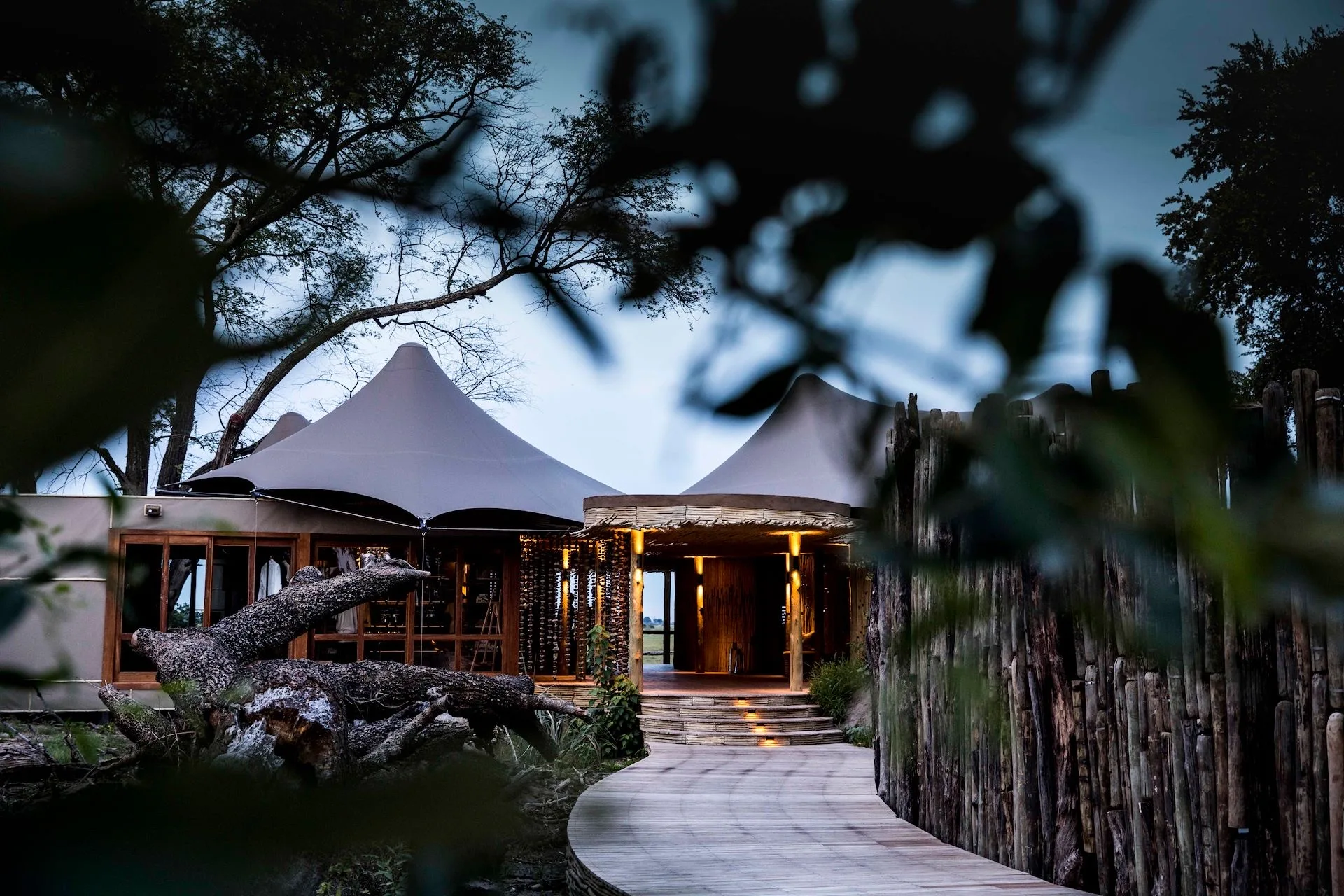
North-west BotswanaA 15,000 square kilometre maze of channels and islands explored by mokoro, boat and vehicle, with wild dog and big cats.
Explore Okavango Delta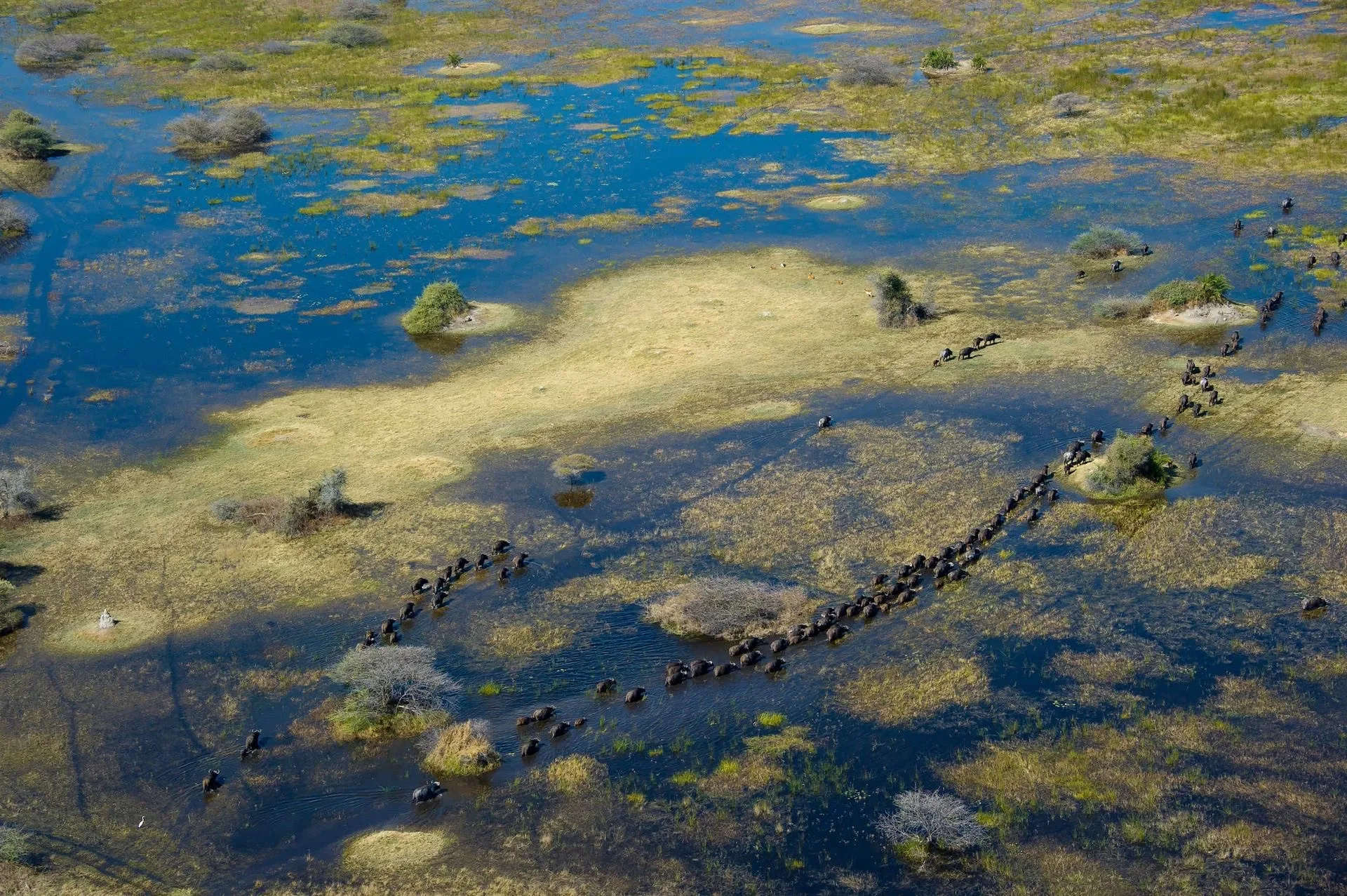
Africa's most exclusive safari country: the Okavango Delta, the elephants of Chobe and the silence of the Kalahari.
Plan My SafariBotswana is the safari that experienced travellers save for. It built its reputation on a deliberate low-volume, high-value model: a small number of beds, vast private concessions and a price tag to match, in exchange for some of the wildest, least crowded game viewing left in Africa.
At its heart is the Okavango Delta, the largest inland delta on earth, where a river the size of the Thames empties into the Kalahari and simply disappears. Add the elephant herds of Chobe, the lion country of Savuti and the desert silence of the Central Kalahari, and few countries pack in this much variety.
It is not a budget destination, and most camps are reached by light aircraft rather than road. But for a water-based safari by mokoro, for painted wolves, or for a trip that pairs naturally with South Africa or Victoria Falls, nowhere else comes close. We plan Botswana around the flood and the seasons, which is where most of the value lies.
The Delta is explored by mokoro, motorboat, open vehicle and on foot. That mix of water and land safari, in a single stay, is Botswana's defining experience and hard to find anywhere else.
The low-volume model means small camps, private concessions and very few other vehicles. You pay for it, but the sense of having the wilderness to yourself is real.
Northern Botswana holds the largest elephant population on the continent. Along the Chobe River in the dry season the numbers are genuinely difficult to take in.
The Okavango and Linyanti are among the best places on earth to see endangered African wild dog. For wildlife travellers, that alone is a reason to come. See our conservation safaris.
The Central Kalahari trades water for space: black-maned lions, oryx and a green-season spectacle that is the mirror image of the Delta, and at a fraction of the crowds.
Botswana combines naturally with Victoria Falls, with Chobe a short transfer away, or with a South African reserve for a two-country trip.
Elephant, buffalo, lion and leopard are all common. Rhino are the exception: scarce after heavy poaching pressure, and most reliably seen on the Mombo concession in the Delta.
Botswana is big-cat country, from the elephant-hunting lions of Savuti to leopard in the Delta riverine and cheetah on the Kalahari plains, backed by strong spotted hyaena numbers.
Few countries match Botswana for African wild dog. The northern concessions hold healthy, well-monitored packs, and denning season in winter is a highlight.
More than 500 species, lifted by the Delta and Chobe floodplains. Specials include Pel's fishing owl, wattled crane and African skimmer, with migrants arriving in summer.
Botswana hosts Africa's longest land migration, as zebra move between the Okavango and the Makgadikgadi and Nxai pans with the rains from November to March.
Low mokoro angles, Chobe's boat-based photo platforms and the Delta's soft light make Botswana a standout for serious images. See our photographic safaris.
Botswana's safari areas split between the water world of the Okavango and the dry interior. These five cover the range, from the flooded channels of the Delta to the fossil valleys of the Kalahari.
A 15,000 square kilometre maze of channels and islands explored by mokoro, boat and vehicle, with wild dog and big cats.
Explore Okavango Delta
The reserve that protects the eastern Delta, mixing water and dry land, with first-rate predators and the famous Khwai wild dogs.
Explore Moremi Game Reserve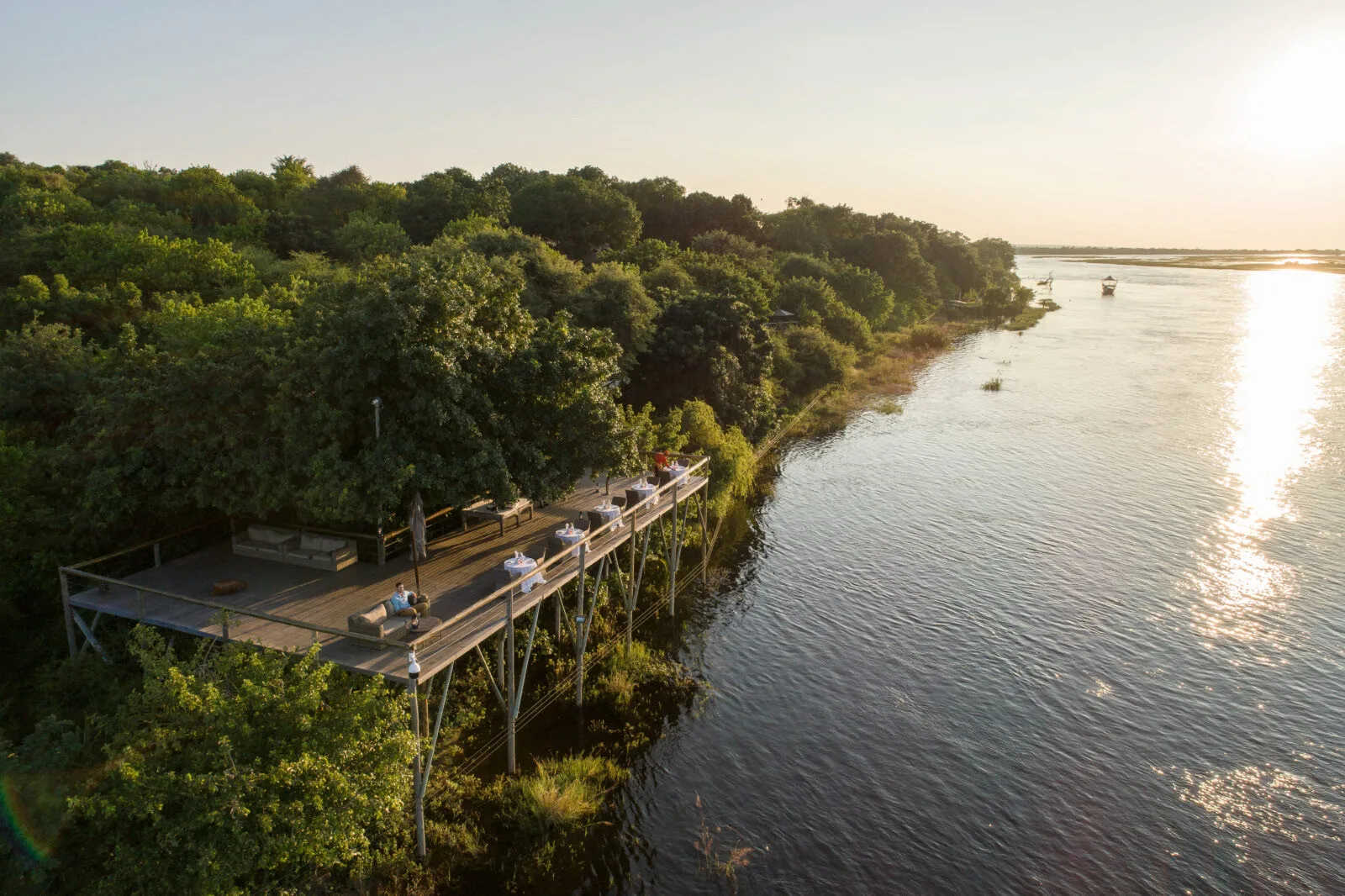
Vast elephant herds along the Chobe River, boat-based safaris and a short hop from Victoria Falls.
Explore Chobe National Park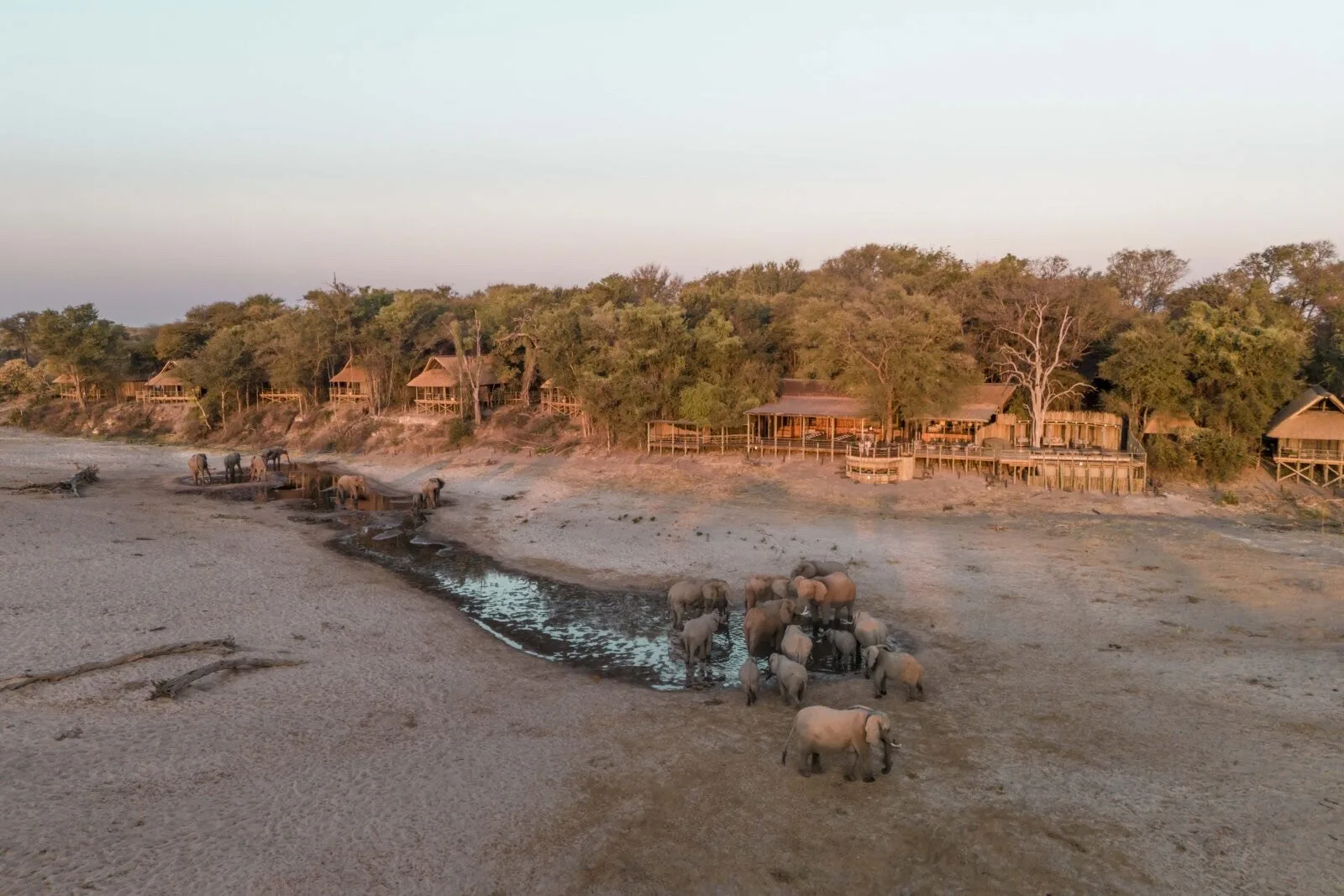
A wild, predator-rich corner of Chobe defined by the mysterious Savute Channel and dramatic big-cat action.
Explore Savuti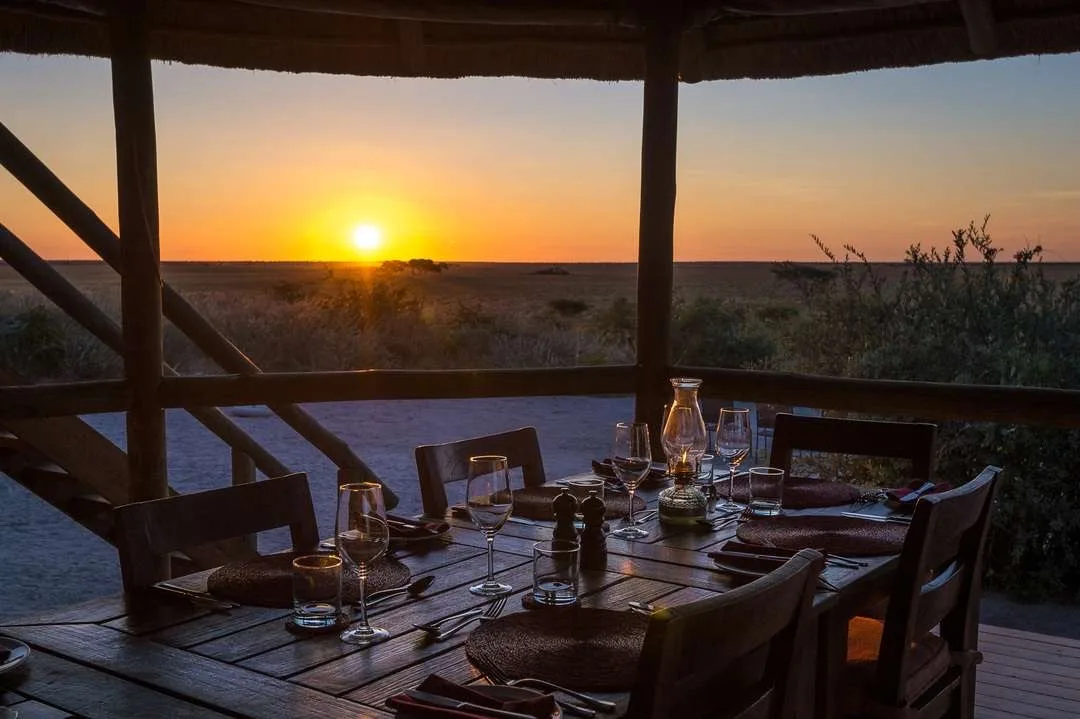
The second-largest protected area on earth: black-maned lions, Deception Valley and a green-season game flush.
Explore Central Kalahari| Reserve | Best for | Best time | Suggested stay | Style |
|---|---|---|---|---|
| Okavango Delta | Water safari, wild dog, exclusivity | Jun to Oct | 3 to 4 nights | Luxury to ultra-luxury |
| Moremi Game Reserve | Predators, value Delta, self-drive | Jun to Oct | 3 to 4 nights | Mobile to luxury |
| Chobe National Park | Elephants, boat safari, Vic Falls combo | May to Oct | 2 to 3 nights | Value to ultra-luxury |
| Savuti | Lions, predators, raw wilderness | May to Oct | 2 to 3 nights | Mid to luxury |
| Central Kalahari | Desert wildlife, green season, solitude | Dec to Apr | 2 to 3 nights | Mobile to ultra-luxury |
Botswana has a twist most countries do not: the Okavango floods in the dry winter, while the Kalahari comes alive in the green summer. Timing depends on what you want to see. Our safari calendar sets out the wider picture.
| Month | Weather | Game viewing | Season |
|---|---|---|---|
| January | Hot, summer rains | Kalahari at its best; birding and calving | Green |
| February | Hot, wettest month | Lush; Kalahari predators, lower rates | Green |
| March | Hot, easing rains | Good Kalahari game; Delta bush thick | Green |
| April | Warm, drying out | Transition; floodwaters building in the Delta | Shoulder |
| May | Mild, dry | Delta filling; viewing improving | Shoulder |
| June | Cold nights, dry | Flood arrives; mokoro season begins | Peak |
| July | Cold nights, dry | Peak Delta water; game concentrating | Peak |
| August | Cool, dry, dusty | Superb predators; Chobe elephants gather | Peak |
| September | Warming, very dry | Outstanding; animals tied to water | Peak |
| October | Hot, very dry | Intense heat but superb big game | Peak |
| November | Hot, first rains | Green flush; migrants and zebra moving | Shoulder |
| December | Hot, summer rains | Kalahari excellent; festive, lower Delta water | Green |
Tell us when you want to travel and what you most want to see. We will build the trip around the wildlife calendar.
Plan My Safari WhatsApp UsYes. Botswana is one of Africa's most stable and safest countries, with a long record of good governance. The camps are remote, professionally run and reached mostly by air.
For the Okavango Delta and Chobe, the dry season from May to October is best, peaking July to September when the flood is high and game concentrates at water. The Central Kalahari is the exception, at its best in the green season from December to April.
The floodwater comes from summer rains in the Angolan highlands, more than a thousand kilometres away. It takes months to travel down, so it arrives in the Delta during the Botswana winter, between June and August.
Yes. Botswana's deliberate low-volume, high-value model makes it one of the more costly safari destinations, with most camps fly-in and fully inclusive. Mobile camping safaris and the Moremi public reserve are the more affordable ways in.
Yes. Northern Botswana, including the Okavango and Chobe, is a malaria area, with most risk in the wet summer. Speak to your doctor about prophylaxis. For a malaria-free Big Five trip, consider Madikwe in South Africa.
You can see four of the five readily: lion, leopard, elephant and buffalo. Rhino are scarce and best looked for on the Mombo concession in the Delta, so the full Big Five is not guaranteed.
A mokoro is a traditional dugout canoe, poled by a guide through the shallow Delta channels. Gliding silently at water level, level with lily pads and frogs, is one of the Okavango's signature experiences.
Allow at least five to seven nights to combine two contrasting camps, such as a water-based Delta camp and a drier reserve. Many trips add Chobe and Victoria Falls.
Yes, and it is a classic pairing. Chobe is a short transfer from Kasane and the Falls, so a few nights of safari followed by the Falls is an easy combination.
Easily. A common route pairs the Okavango with a Sabi Sands stay, giving you both a water safari and high-density Big Five viewing.
It can be, though some camps set minimum ages and the fly-in logistics suit older children better. We match families to camps with private vehicles and family units. See our family safari guidance.
Most safaris are fly-in, hopping between camps by light aircraft from Maun or Kasane. The short flights over the Delta are a highlight in themselves.
The private concessions are guided only. Self-drive and mobile camping are possible in the public reserves such as Moremi and the Central Kalahari, for experienced, well-equipped travellers.
A combination of a water and land camp in the Okavango, often paired with Chobe and Victoria Falls, gives a first-timer the full range in one trip.
Botswana is one of the best countries in Africa for African wild dog, particularly the northern Okavango and Linyanti concessions. Sightings are never guaranteed, but the odds are as good as anywhere.
Tell us when you would like to travel and what matters most, and we build the trip around the flood and the seasons. Every enquiry is answered personally, usually within 24 hours, with no booking fees.
Tell us roughly when you would like to travel and what you most want to see. Every enquiry is answered personally, usually within 24 hours. No set packages, no booking fees.