
South Luangwa
Eastern ZambiaA leopard-rich valley of owner-run bush camps, superb night drives and the walking safari at its origin.
Explore South LuangwaThe home of the walking safari: wild, authentic and uncrowded, with leopard, the Zambezi and Victoria Falls.
Plan My SafariZambia is where the walking safari was born, and it remains the most authentic, least developed of the major safari countries. Where some destinations have grown polished and busy, Zambia stays wild: small owner-run bush camps, expert walking guides, and parks where you can go for hours without seeing another vehicle.
The Luangwa Valley is its heart. Norman Carr pioneered the guided walking safari here in the 1950s, and South Luangwa is still one of the finest places in Africa to explore on foot and to see leopard, helped by some of the best night drives anywhere. The Lower Zambezi adds canoeing beneath the escarpment, and Kafue and Liuwa offer vast, little-visited wilderness.
Zambia also holds half of Victoria Falls, on the Zambezi at Livingstone, so a safari here pairs naturally with one of the great sights on earth, or with neighbouring Botswana and Zimbabwe. It is a country for travellers who want their safari raw and real rather than packaged.
Guided walking was invented in the Luangwa Valley, and Zambia still does it better than anywhere, with specialist guides who read the bush on foot rather than from a vehicle.
South Luangwa is one of the best leopard destinations in Africa, and Zambia's night drives, which many countries do not allow, turn up leopard, civet, genet and more after dark.
On the Lower Zambezi you can swap the vehicle for a canoe, drifting past elephant and hippo on the river with the escarpment rising behind. Few safari activities are as quietly thrilling.
Zambia's camps are small and often owner-run, and its parks see a fraction of the visitors of the busier circuits. It is a safari that still feels genuinely wild.
Zambia holds half of Victoria Falls, so a safari here pairs easily with the Falls, and with Botswana's Chobe and Zimbabwe just across the river.
Remote Liuwa Plain hosts the second-largest wildebeest migration in Africa, a green-season spectacle that almost no one sees. See our conservation safaris.
Lion, leopard, elephant and buffalo are all common and well seen. Rhino are the exception: poached out across most of the country and only being re-established in North Luangwa, so Zambia is not a reliable Big Five destination.
South Luangwa ranks among Africa's top leopard destinations, and night drives reveal nocturnal hunters. Lion are widespread, and the open Kafue and Liuwa plains hold cheetah.
Zambia is a stronghold for endangered African wild dog, and the Luangwa Valley has its own subspecies: Thornicroft's giraffe, Cookson's wildebeest and Crawshay's zebra.
On foot with an armed guide and a scout, you read tracks, learn the small details and feel the bush in a way no vehicle allows. This is what Zambia does best.
More than 400 species in the Luangwa alone, with the famous riverbank colonies of southern carmine bee-eaters nesting from August, and superb water birds along the Zambezi.
The plains of Liuwa fill each November as tens of thousands of wildebeest gather, drawing hyena clans and cheetah to one of Africa's last great secret migrations.
Zambia's parks are wild and spread out, from the leopard-rich Luangwa Valley to the canoeing rivers of the Lower Zambezi and the remote plains of Kafue and Liuwa. These four are the heart of a Zambian safari.
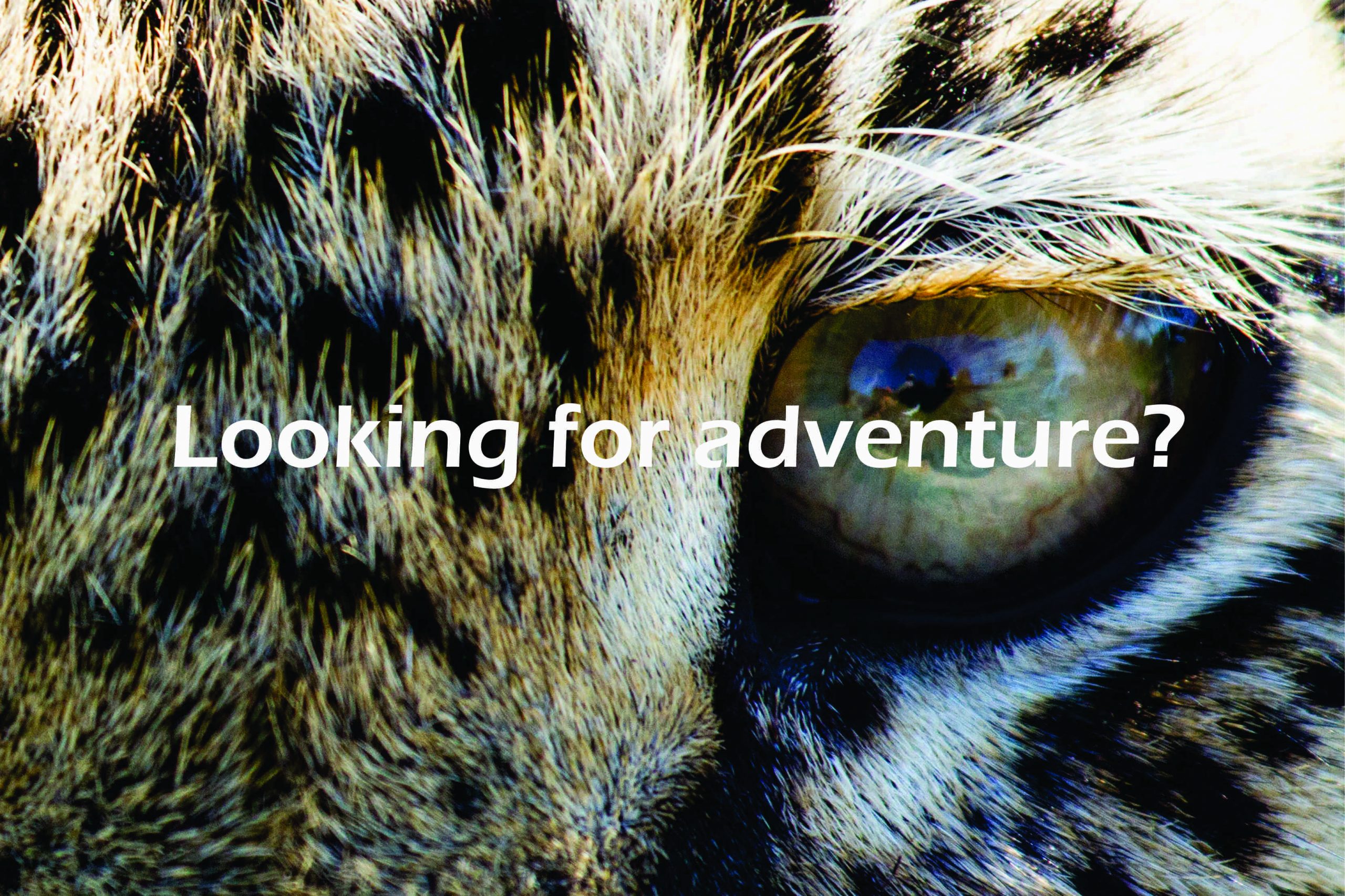
A leopard-rich valley of owner-run bush camps, superb night drives and the walking safari at its origin.
Explore South Luangwa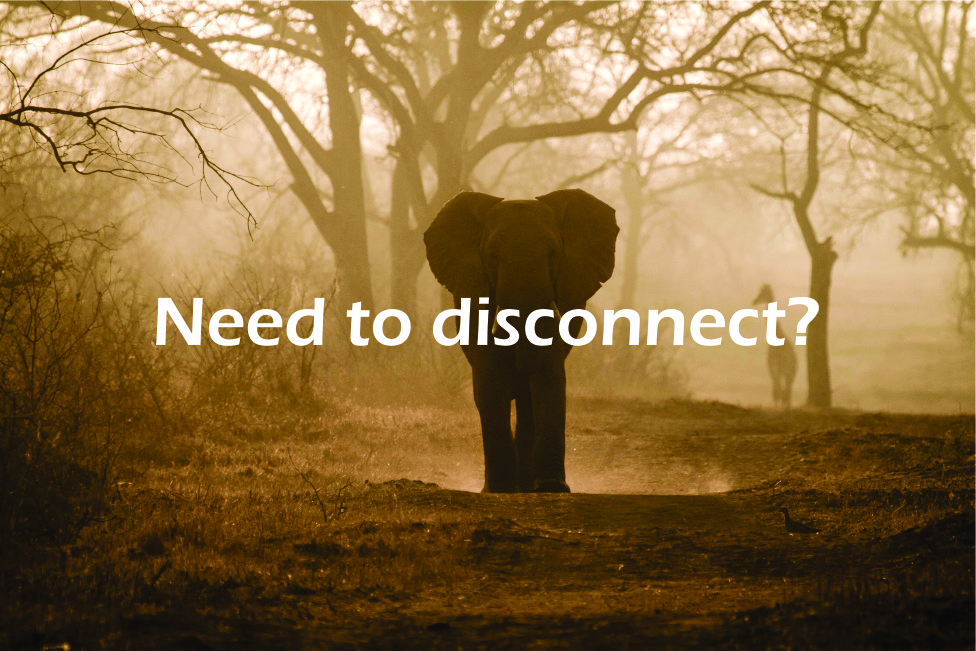
A river wilderness of canoeing, boating and walking along the Zambezi, with big elephant herds and excellent predators.
Explore Lower Zambezi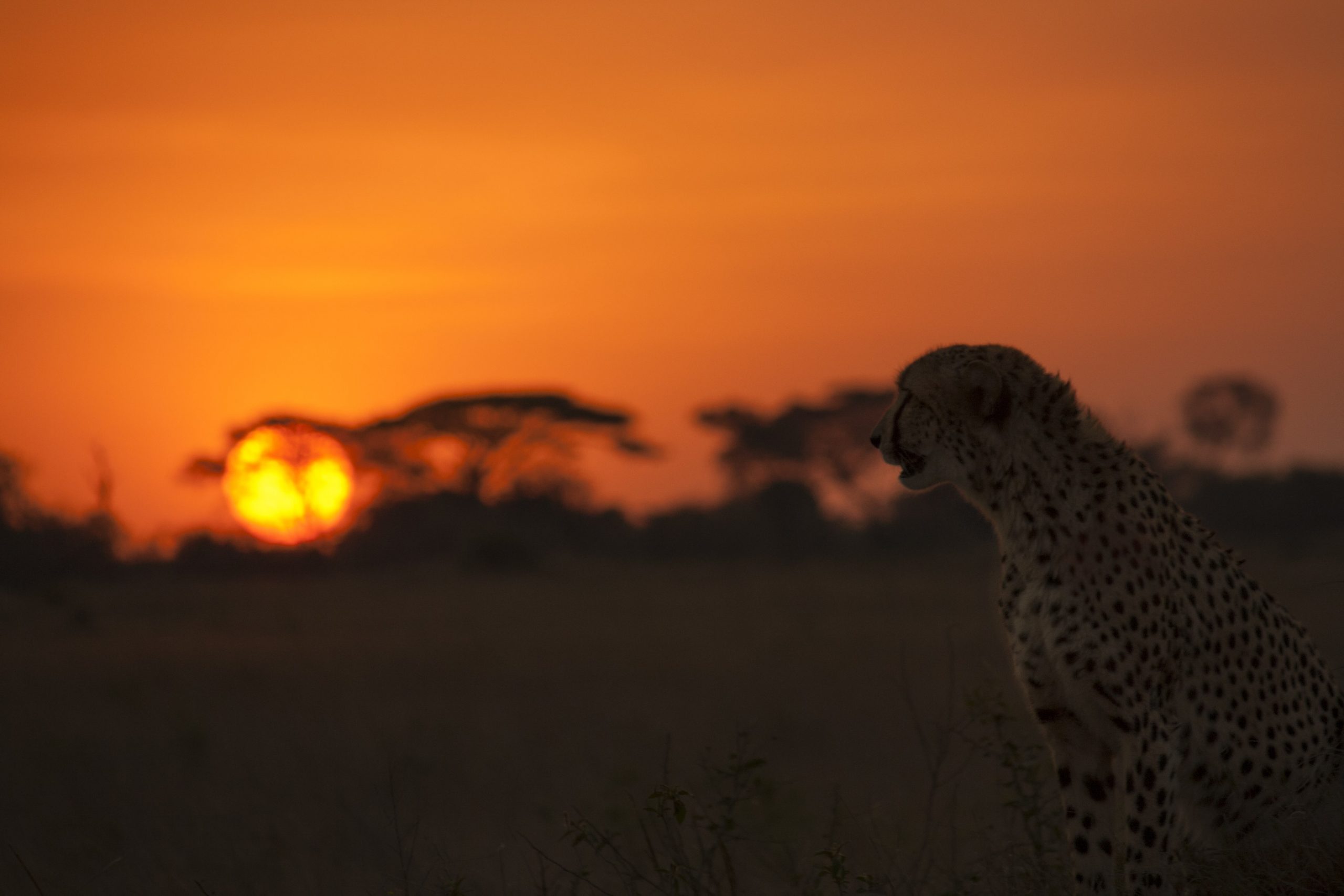
The country's largest and oldest park, with the wildlife-rich Busanga Plains, cheetah, and a remote, uncrowded feel.
Explore Kafue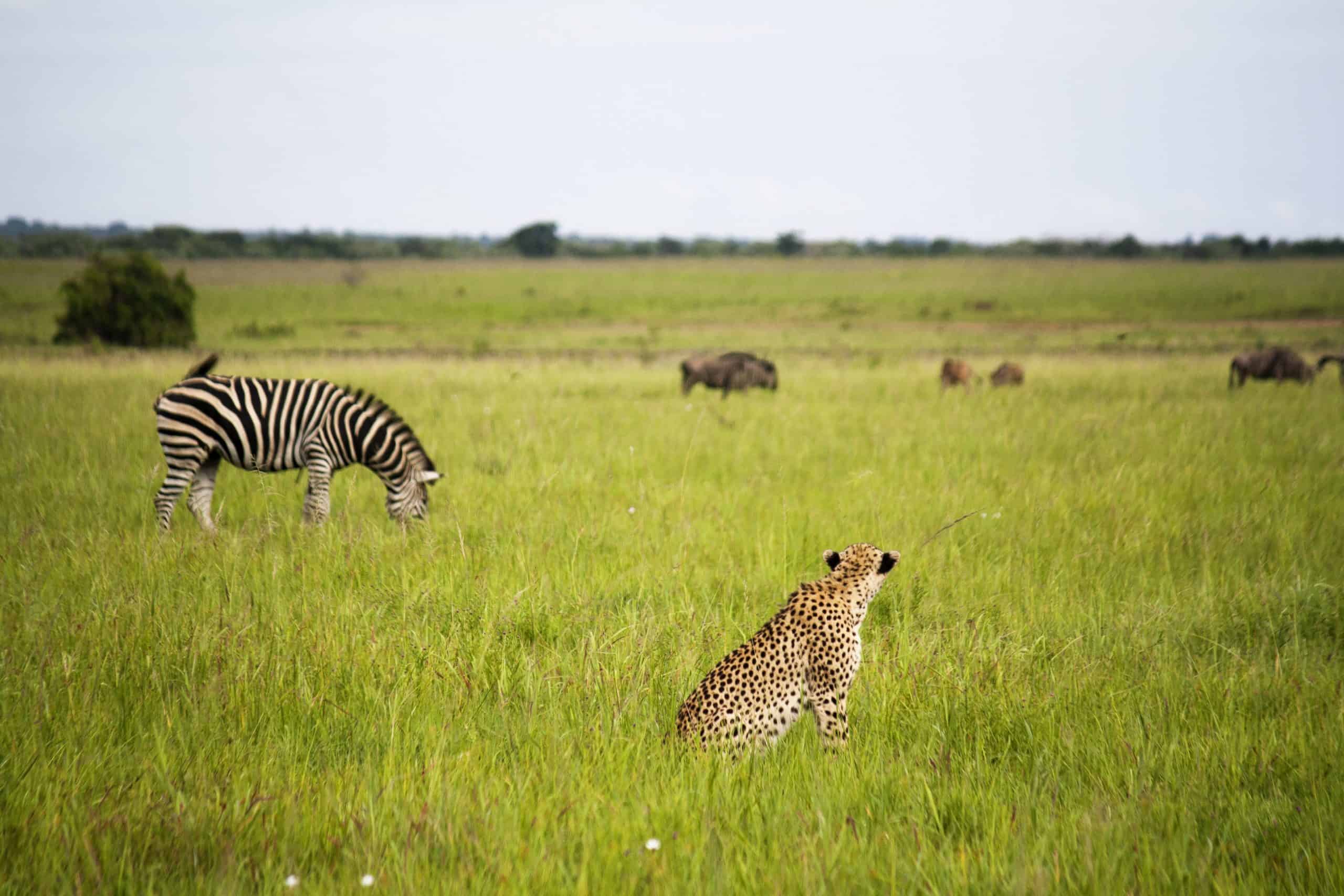
One of Africa's wildest, least-visited parks, where tens of thousands of wildebeest gather and big hyena clans rule the plains.
Explore Liuwa Plain| Reserve | Best for | Best time | Suggested stay | Style |
|---|---|---|---|---|
| South Luangwa | Walking, leopard, night drives | Jun to Oct | 3 to 4 nights | Mid to ultra-luxury |
| Lower Zambezi | Canoeing, river safari, elephants | Jun to Oct | 3 nights | Mid to ultra-luxury |
| Kafue | Big cats, plains, wilderness | Jul to Oct | 3 nights | Mid to luxury |
| Liuwa Plain | Wildebeest migration, remoteness, birds | Nov to Dec, May to Jun | 3 nights | Mid to luxury |
Zambia has a long dry season and a lush green "emerald" season. The dry months from June to October are the prime time for walking and game viewing, while the emerald season brings birding, lower rates and the Liuwa migration. Our safari calendar sets out the wider picture.
| Month | Weather | Game viewing | Season |
|---|---|---|---|
| January | Hot, wet | Emerald season; lush, birding, many camps closed | Green |
| February | Hot, wettest | High water, boating; superb birding | Green |
| March | Hot, rains easing | Green and quiet; many camps still closed | Green |
| April | Warm, drying out | Camps reopening; lush landscapes | Shoulder |
| May | Mild, dry | Bush clearing; walking safaris resume | Shoulder |
| June | Cold nights, dry | Excellent walking and night drives | Peak |
| July | Cold nights, dry | Peak; leopard and concentrated game | Peak |
| August | Cool, dry | Peak; predators and carmine bee-eaters | Peak |
| September | Warming, dry | Outstanding; animals tied to the rivers | Peak |
| October | Hot, very dry | Intense heat but the best big-game viewing | Peak |
| November | Hot, first rains | Green flush; Liuwa wildebeest gather | Shoulder |
| December | Hot, wet | Emerald season begins; lush and quiet | Green |
Tell us when you want to travel and what you most want to see. We will build the trip around the wildlife calendar.
Plan My Safari WhatsApp UsYes. Zambia is one of the most peaceful, welcoming countries in Africa, with a long safari tradition. The camps are remote and well run, and the safari areas are very safe.
The dry season from June to October is the prime time for walking safaris and game viewing, peaking from August to October. The green emerald season from December to April is lush and quiet, with superb birding.
Exploring the bush on foot with an armed guide and a scout, reading tracks and signs and approaching wildlife quietly. Zambia invented the guided walking safari and remains the best place to do it.
Very. South Luangwa is one of the finest leopard destinations in Africa, and Zambia's night drives, which many countries prohibit, greatly improve your chances of seeing them and other nocturnal animals.
You can readily see four: lion, leopard, elephant and buffalo. Rhino were poached out across most of the country and are only being re-established in North Luangwa, so Zambia is not a reliable Big Five destination. We are always honest about that.
Yes. Zambia's safari areas are malaria zones, with most risk in the wet season. Speak to your doctor about prophylaxis. For a malaria-free Big Five trip, consider Madikwe in South Africa.
Yes. Zambia holds half of Victoria Falls, viewed from the town of Livingstone, with activities from the falls themselves to the Devil's Pool. A Zambian safari pairs naturally with the Falls.
Zambia's green season, roughly December to April, when the rains turn the bush lush. Some camps close, but the birding is superb, the landscapes are beautiful and rates are lower.
Allow at least six or seven nights to combine two areas, such as South Luangwa for walking and leopard with the Lower Zambezi for canoeing. Add the Falls at Livingstone to round off.
We strongly recommend guided safaris in Zambia, where the walking, night drives and remote camps depend on expert local guides. Self-drive is possible but you lose the country's greatest strength.
From comfortable mid-range bush camps to exclusive owner-run lodges. The remote fly-in parks and peak dry season are the most expensive. We tailor every trip to your budget.
Lusaka is the main gateway, with onward light-aircraft flights to the parks. Mfuwe has direct flights for South Luangwa, and Livingstone serves Victoria Falls.
Yes, easily, especially around Victoria Falls. Livingstone connects to Botswana's Chobe and to Zimbabwe, so a multi-country trip flows naturally.
It can be, though walking safaris and remote camps often set minimum ages. We match families to camps that welcome children and offer suitable activities. See our family safari guidance.
South Luangwa, for its walking safaris, leopard and night drives, often combined with the Lower Zambezi for canoeing and the Falls at Livingstone.
Yes. Unlike many countries, Zambia permits night drives in its national parks, greatly improving the chances of seeing leopard and nocturnal species.
Tell us roughly when you would like to travel and what you most want to see. Every enquiry is answered personally by Jarryd, a former Sabi Sands guide and Head Ranger at andBeyond Phinda, usually within 24 hours. No set packages, no booking fees.