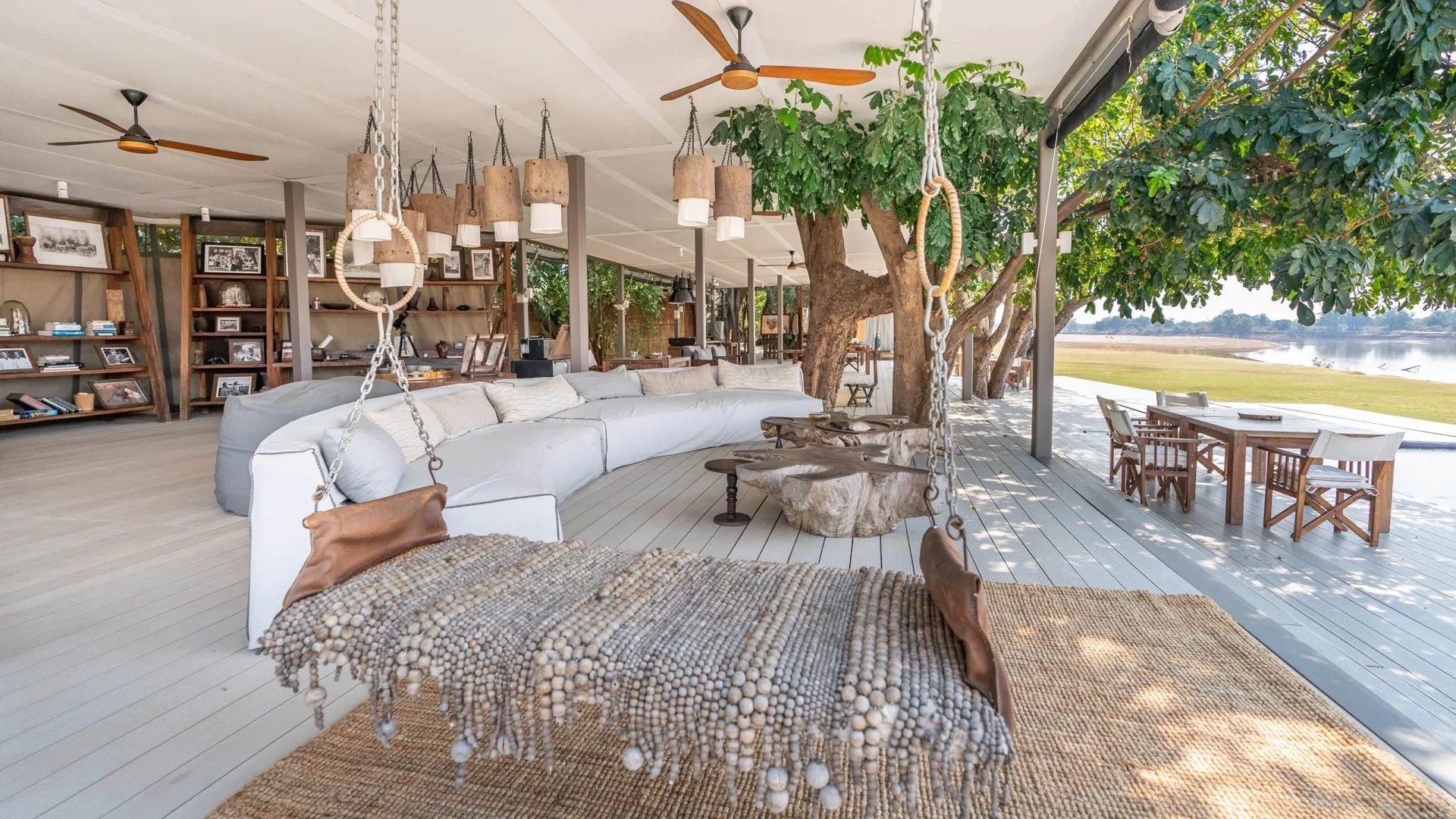
The birthplace of the walking safari, and one of the great leopard destinations in Africa.
Enquire About South LuangwaSouth Luangwa is the heart of the Zambian safari and, for many, the finest park in the country. The Luangwa River and its oxbow lagoons run through a broad, game-rich valley, and it was here, in the 1950s, that Norman Carr pioneered the guided walking safari that Zambia is now known for.
It is one of the best places in Africa to see leopard. High densities, an open understorey and, crucially, the night drives that Zambia permits combine to make sightings frequent and close, often of cats actively hunting after dark.
The valley also holds its own endemic wildlife: Thornicroft's giraffe, Cookson's wildebeest and Crawshay's zebra are found here and almost nowhere else. Vast hippo pods crowd the river, elephant and buffalo come down to drink, and from August the riverbanks erupt with the nesting colonies of carmine bee-eaters.
South Luangwa is also accessible, with direct flights into Mfuwe, and it spans the full range of camps, from simple, characterful bush camps to polished lodges. For a first taste of Zambia, it is the obvious place to start.
Leopard are the signature, seen reliably and often by day as well as on the celebrated night drives. Lion prides are well established, and African wild dog move through the valley, with denning in the dry season.
The Luangwa holds some of the highest hippo densities in Africa, along with large crocodile, and elephant and buffalo herds come down to the river through the dry months. The valley's endemic giraffe, wildebeest and zebra add interest for returning safari-goers.
Birding is a highlight, with more than 400 species and the famous carmine bee-eater colonies nesting in the riverbanks from August, alongside storks, herons and raptors drawn to the drying lagoons.
June to October, the dry season, is the prime time, when game concentrates along the shrinking river, walking is at its best and the carmine bee-eaters arrive. October is very hot but offers the most dramatic game viewing.
The emerald season from December to April is lush and green, superb for birding and photography, though many bush camps close and access can be limited. A handful of lodges stay open for the high-water boating and the quiet.
Refined lodges with private decks and plunge pools, combining the valley's wildlife with the best of its comfort and service.
Long-established names such as Nkwali, Tena Tena and the Time + Tide bush camps, with outstanding guiding and a strong walking heritage.
Seasonal bush camps built around the walking safari, sleeping in simple, atmospheric shelters deep in the bush.
Friendly, well-run camps near the Mfuwe gate offering excellent value and easy access to the park.
Budget chalets and camping just outside the park suit self-drivers and travellers watching the cost.
South Luangwa is a photographer's park: leopard in golden light and on night drives, elephants crossing the river, and the spectacle of the carmine bee-eater colonies. The walking safaris also bring you eye level with the smaller details most safaris miss.
South Luangwa spans budget camping to ultra-luxury lodges and suits everyone from first-time visitors to serious walkers and photographers. Its accessibility and range make it the natural place to begin a Zambian safari.
South Luangwa is in eastern Zambia, reached by direct light-aircraft and scheduled flights to Mfuwe, the most accessible of Zambia's major parks, then a short transfer to camp.
We arrange every detail, from the right camp to flights and transfers. Tell us your dates and we will do the rest.
Plan My Safari WhatsApp UsIt is the birthplace of the walking safari and one of the best leopard destinations in Africa, with superb night drives and its own endemic giraffe, wildebeest and zebra.
Among the best anywhere. High densities and Zambia's night drives mean frequent, close sightings, often of leopard actively hunting after dark.
June to October, the dry season, for walking, concentrated game and the carmine bee-eaters. The emerald season is green and quiet but many bush camps close.
Yes, and it is the place to do it. The guided walking safari was invented here, and many camps build their experience around it.
By direct light-aircraft or scheduled flight to Mfuwe, the most accessible of Zambia's major parks, followed by a short road transfer to camp.
Three to four nights, ideally split between a main lodge and a walking bush camp to experience both the driving and the walking sides of the valley.
Tell us roughly when you would like to travel and what you most want to see. Every enquiry is answered personally, usually within 24 hours. No set packages, no booking fees.