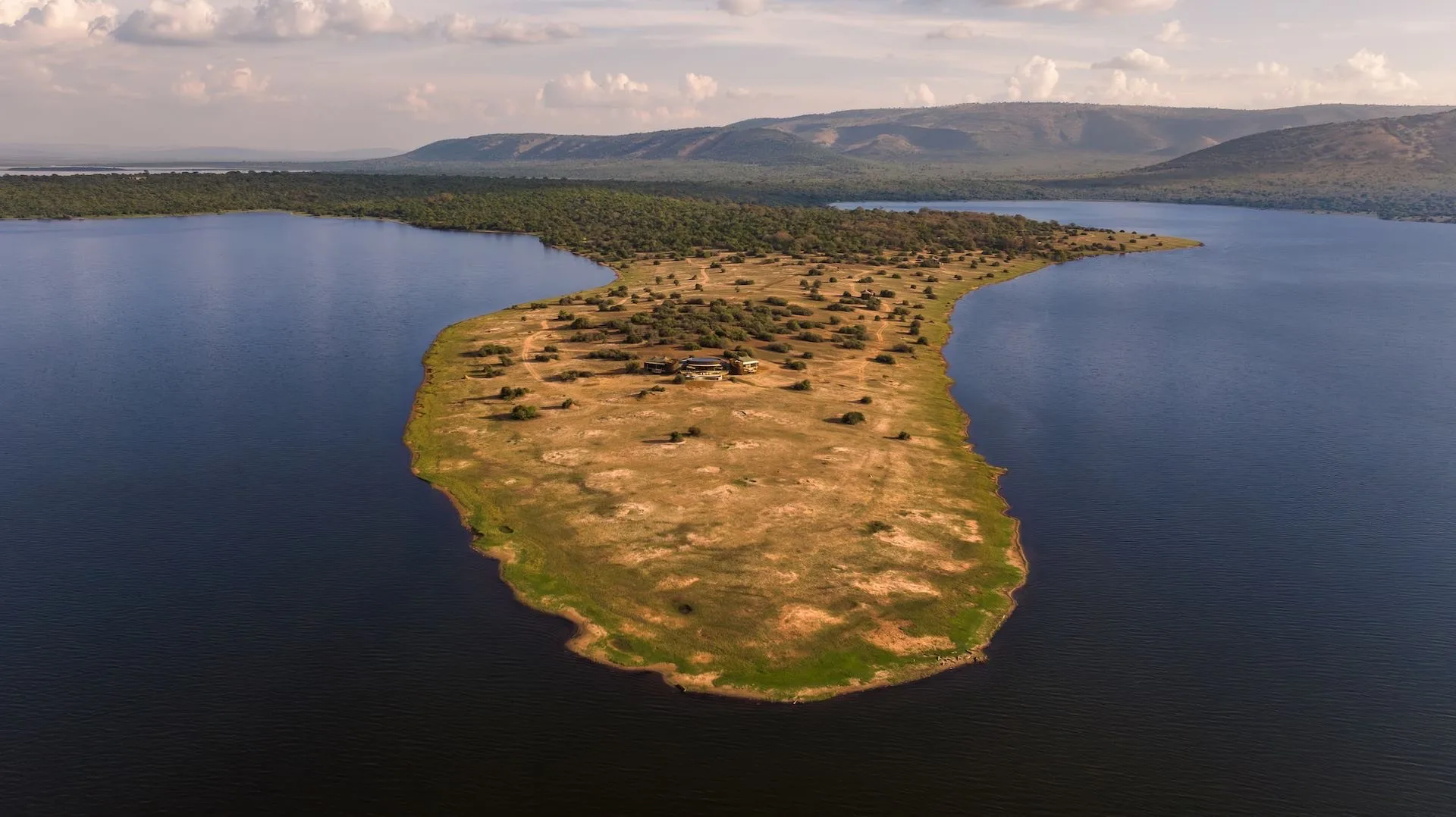
A Big Five savannah reserve restored from near-collapse, with lakes, papyrus swamps and the shoebill.
Enquire About AkageraAkagera, on Rwanda's eastern border with Tanzania, is one of the great African conservation stories. By the early 2000s the park had been devastated, much of it given over to returning refugees and cattle, and the lion and rhino were gone. In 2010 the Rwandan government partnered with the conservation organisation African Parks, and the turnaround since has been remarkable.
Lion were reintroduced in 2015 and rhino from 2017, restoring the Big Five to a park that now holds elephant, buffalo and leopard alongside them. Poaching has been brought under control, wildlife numbers have climbed, and the surrounding communities share directly in the revenue. Akagera is now a genuine savannah safari destination, and the only place in Rwanda to see the Big Five.
The landscape is a mosaic of rolling savannah, montane forest and a chain of lakes and papyrus swamps along the Akagera River, the largest protected wetland in central Africa. That water gives Akagera its second dimension: boat safaris on Lake Ihema, past hippo, crocodile and a wealth of water birds, including the prehistoric shoebill stork.
Within easy reach of Kigali, Akagera adds a classic savannah and Big Five experience to a Rwandan trip otherwise focused on forests and primates, and rounds out the country's remarkable variety.
Akagera is once again a Big Five park. Lion prides are re-established and growing, black and white rhino have been reintroduced, and elephant, buffalo and leopard complete the five. It is the conservation comeback that defines the park.
The savannah holds good numbers of plains game, including zebra, topi, impala and large herds of buffalo, alongside giraffe and the localised sitatunga in the wetlands. Spotted hyaena and side-striped jackal are among the other predators.
The lakes and papyrus swamps are a highlight, with hippo, crocodile and a superb range of water birds. The shoebill stork, one of Africa's most sought-after birds, is found here, and Akagera's total bird list exceeds 500 species.
June to September, the long dry season, is the best time for game viewing, when thinner vegetation and concentrated water make wildlife easier to find. The shorter dry season from December to February is also good.
The wet seasons bring lush scenery and excellent birding, with migrants swelling the numbers, and lower rates. The park is rewarding year-round, but the dry months are easier for the Big Five.
A stylish Wilderness camp on the shore of Lake Rwanyakazinga in the north of the park, the finest base in Akagera with excellent game and birding.
An intimate, eco-conscious tented camp on the edge of Lake Ihema, run in support of the park, with a lovely lakeside setting.
A larger lodge in the south of the park with comfortable rooms, a pool and easy access to the main game-viewing areas and the boat trips.
African Parks runs several campsites within Akagera for self-sufficient and budget travellers exploring on a self-drive basis.
Akagera offers classic savannah and lake imagery: lion and elephant on the eastern plains, hippo and shoebill from the boat, and the chain of lakes at sunset. The restored wildlife and the rolling, water-laced landscape make for varied, atmospheric photography.
Akagera spans campsites to a luxury camp and suits all levels. It is the natural savannah complement to a forest-and-gorilla Rwanda trip, and its conservation story makes it especially rewarding for travellers who care where their tourism money goes.
Akagera lies on Rwanda's eastern border, around two and a half hours by road from Kigali, making it an easy savannah addition to a gorilla-focused itinerary.
We arrange every detail, from the right camp to flights and transfers. Tell us your dates and we will do the rest.
Plan My Safari WhatsApp UsYes. Following the reintroduction of lion in 2015 and rhino from 2017, Akagera is once again a Big Five park, the only one in Rwanda, with elephant, buffalo and leopard alongside them.
The conservation organisation African Parks, in partnership with the Rwandan government, has managed the park since 2010 and led its recovery from near-collapse.
Yes. The shoebill stork is found in the papyrus swamps along the Akagera lakes, and a boat safari on Lake Ihema is the best way to look for one.
June to September, the long dry season, for the easiest Big Five viewing, though the park is rewarding and especially good for birding year-round.
Around two and a half hours by road, which makes it an easy savannah addition to a Rwanda itinerary built around gorillas and forests.
Yes. Boat safaris on Lake Ihema are a highlight, passing hippo, crocodile and a wealth of water birds, including the chance of the shoebill.
Tell us roughly when you would like to travel and what you most want to see. Every enquiry is answered personally, usually within 24 hours. No set packages, no booking fees.