
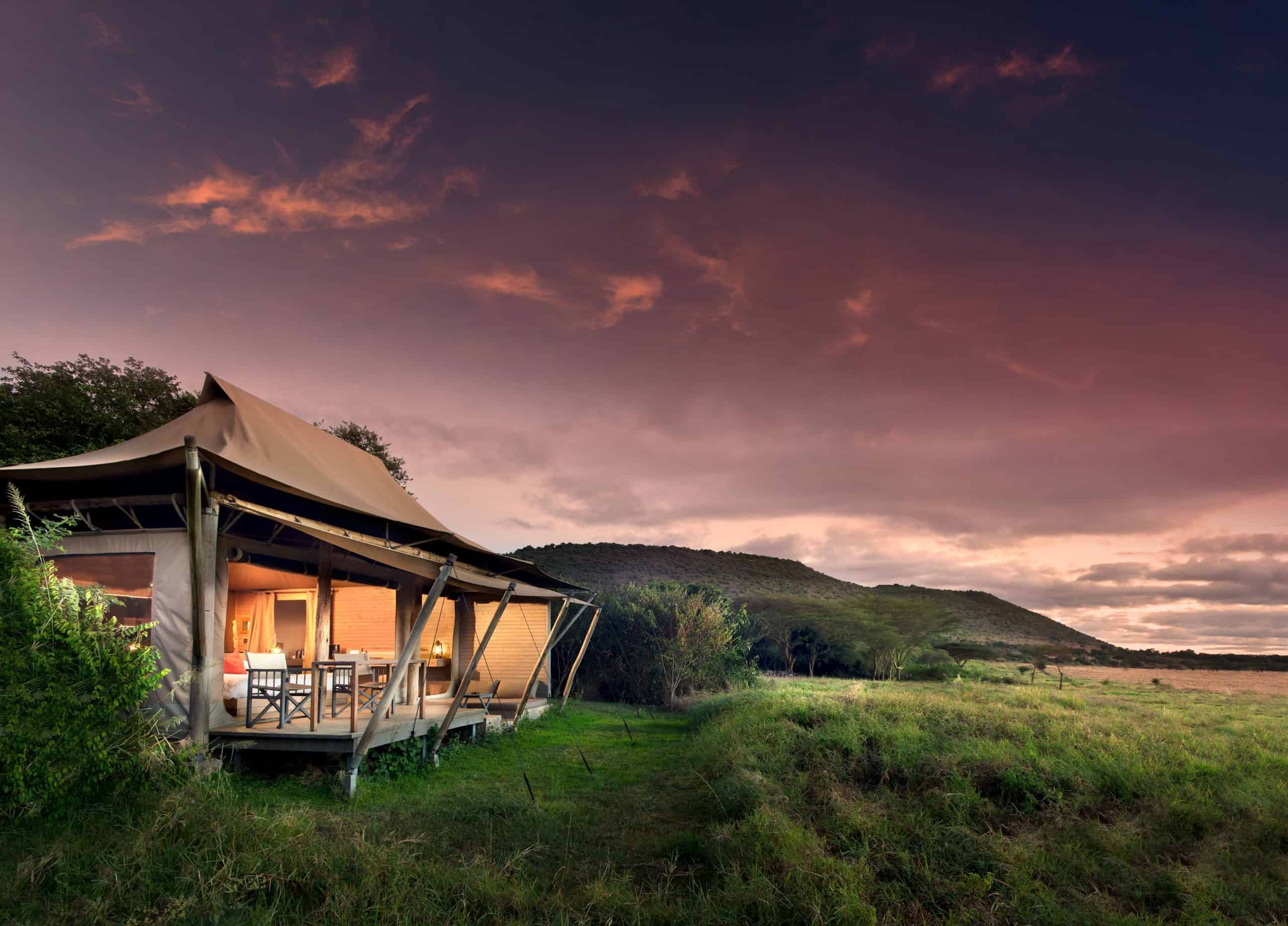
Masai Mara
South-west KenyaThe northern extension of the Serengeti, where the Migration crosses the Mara River and lion, cheetah and leopard thrive.
Explore Masai MaraThe birthplace of the safari: the Masai Mara, the Great Migration and a diversity that runs from desert to snow-capped peaks.
Plan My SafariKenya is where the word safari comes from, and where the modern safari was invented. It remains the most complete introduction to East Africa: the Masai Mara and the Great Migration, the elephant herds of Amboseli beneath Kilimanjaro, the desert specials of Samburu, and a growing network of community conservancies that are quietly leading African conservation.
The Mara is the headline. As the northern extension of the Serengeti, it sits at the receiving end of the Great Migration, and from July to October its grasslands fill with wildebeest and the drama of the Mara River crossings. Year-round, it carries one of the highest densities of big cats anywhere on earth.
Beyond the Mara, Kenya rewards a longer look. The country runs from the flamingo-lined soda lakes of the Rift Valley to the arid north, from snow on Mount Kenya to the Indian Ocean. Many trips pair a few days of safari with the beaches of Diani or Lamu, or cross the border to combine with Tanzania and the Serengeti.
From July to October the Mara hosts the most dramatic stage of the Migration, the Mara River crossings, when the herds run the gauntlet of crocodiles and waiting predators. Read our Great Migration guide.
The private and community conservancies around the Mara and in Laikipia allow off-road driving, night drives and walking, cap vehicle numbers, and channel tourism income straight to Maasai and Samburu landowners.
The Mara is one of the best places on the continent for lion, cheetah and leopard, the setting for decades of wildlife filmmaking. Sightings are frequent and often at close range.
Samburu holds species you will not see in the south: Grevy's zebra, reticulated giraffe, gerenuk, beisa oryx and Somali ostrich, the so-called Samburu Special Five.
Amboseli puts big elephant herds in the foreground with Mount Kilimanjaro rising behind, one of Africa's most photographed scenes and a stronghold of long-running elephant research.
Kenya pairs a safari with the Indian Ocean coast at Diani and Lamu, or with Tanzania next door, more easily than almost anywhere. It is a natural choice for a first trip to East Africa.
Lion, leopard, elephant and buffalo are all readily seen. Rhino are present in protected pockets such as the Laikipia conservancies and parts of the Mara, so the full Big Five is achievable with the right routing.
The Mara's lion prides, cheetah on the open plains and leopard along the watercourses give Kenya some of the most reliable predator viewing in Africa, backed by spotted hyaena and the occasional wild dog in the north.
From July to October roughly two million wildebeest, zebra and gazelle spill into the Mara from the Serengeti, and the Mara River crossings are the Migration's most dramatic act.
The arid north adds Grevy's zebra, reticulated giraffe, gerenuk, beisa oryx and Somali ostrich, dry-country species found in Samburu and Laikipia but not in the southern parks.
Kenya is one of the great birding countries, with well over 1,000 species. The Rift Valley lakes draw flamingos in their thousands, and the Mara and forests add raptors and specials.
Open plains, soft light and off-road access in the conservancies make Kenya superb for images, from Migration crossings to elephants under Kilimanjaro. See our photographic safaris.
Kenya's safari areas range from the famous Masai Mara to the elephant plains of Amboseli, the desert north of Samburu, the vast wilderness of Tsavo and the pioneering conservancies of Laikipia. These five cover the country's full range.
The northern extension of the Serengeti, where the Migration crosses the Mara River and lion, cheetah and leopard thrive.
Explore Masai Mara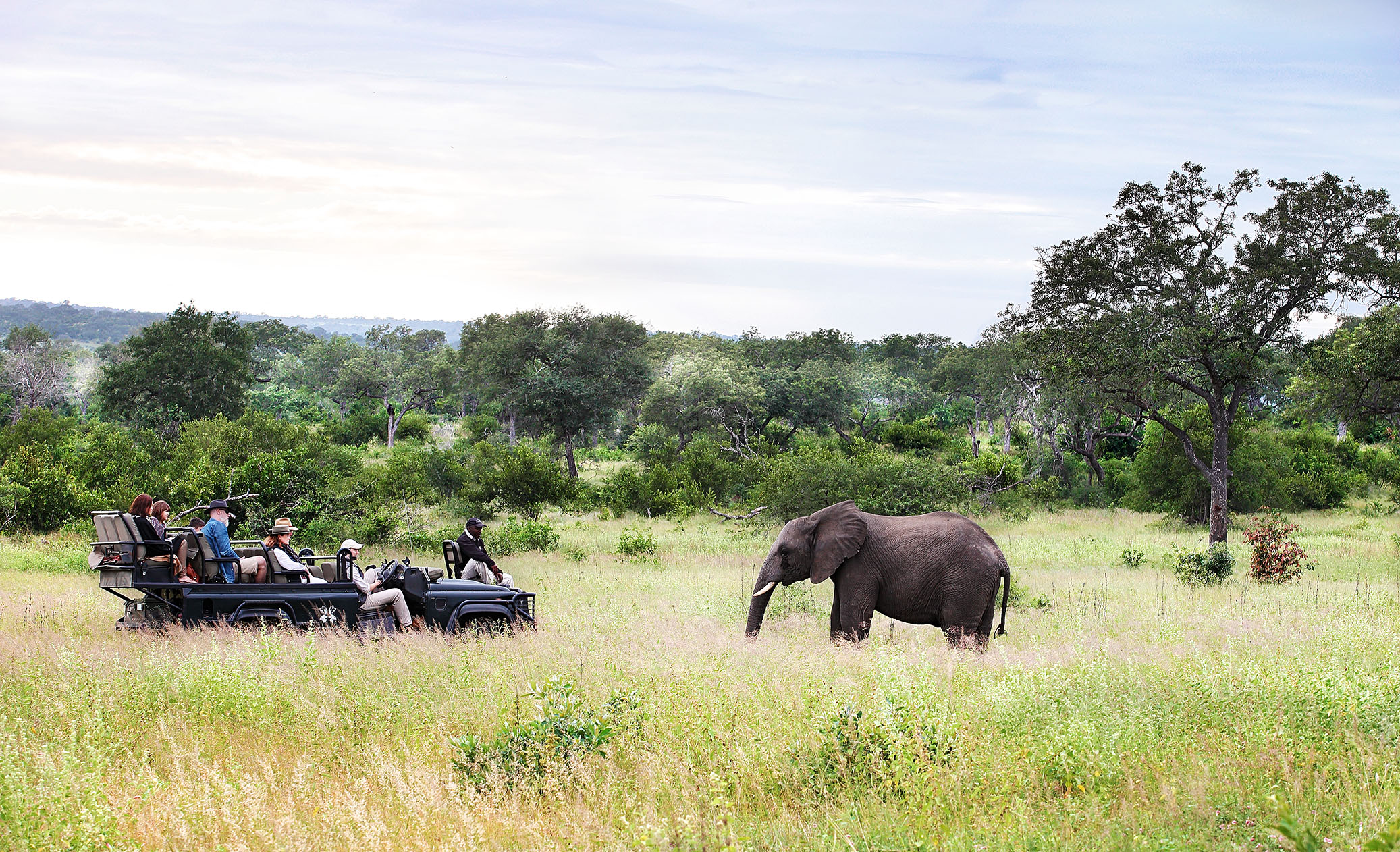
Famous for great tuskers and Kilimanjaro views, with swamps that draw elephants, big cats and over 400 bird species.
Explore Amboseli
Dry-country wilderness on the Ewaso Ng'iro River, home to the Samburu Special Five and superb leopard and elephant.
Explore Samburu
Two enormous parks of red earth and big skies, famous for their dust-red elephants and a wilder, quieter safari.
Explore Tsavo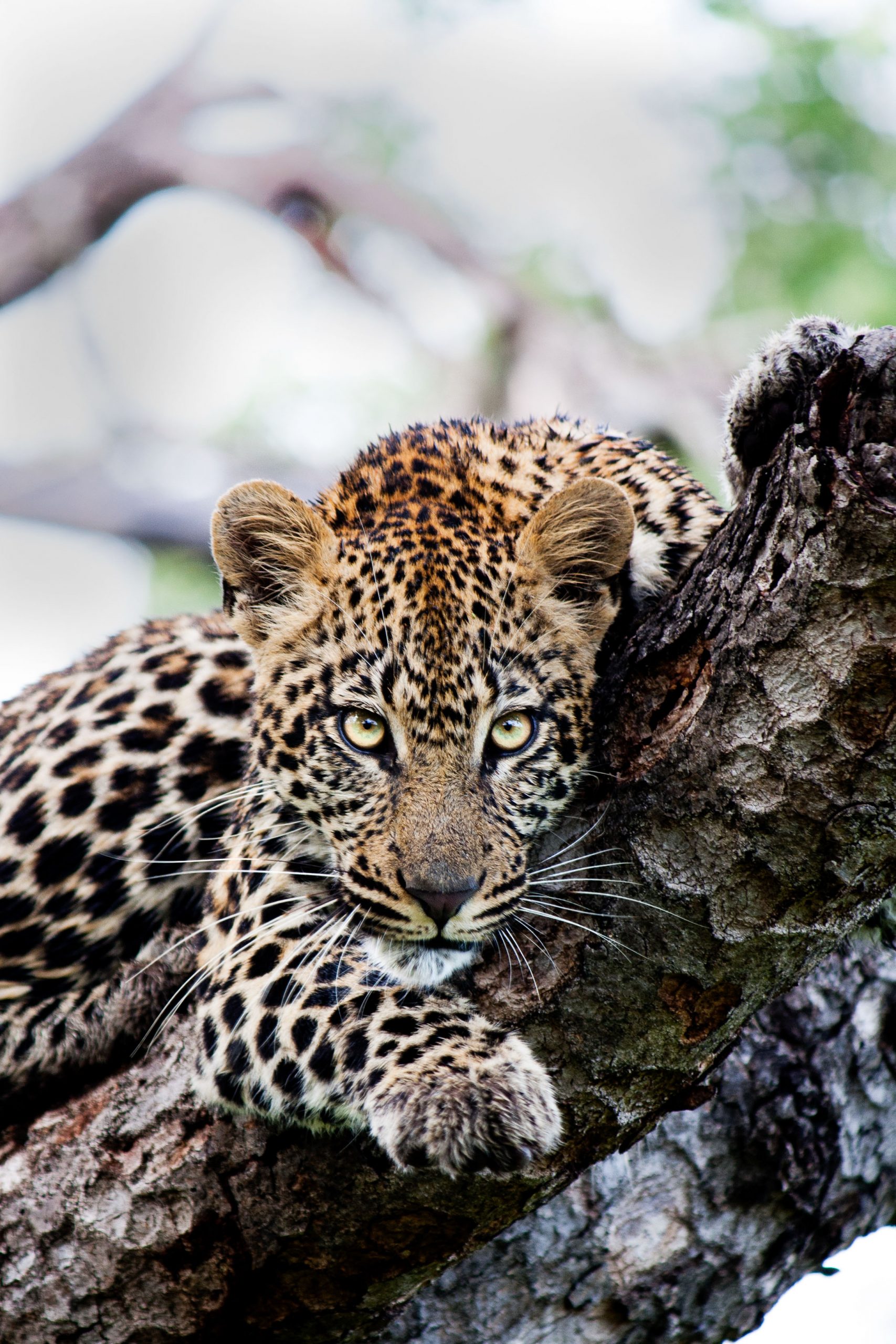
A mosaic of private and community conservancies leading African conservation, with rhino, wild dog and exclusive, flexible safaris.
Explore Laikipia| Reserve | Best for | Best time | Suggested stay | Style |
|---|---|---|---|---|
| Masai Mara | Great Migration, big cats, first-timers | Jul to Oct | 3 to 4 nights | Mid to ultra-luxury |
| Amboseli | Elephants, Kilimanjaro views, photography | Jun to Oct, Jan to Feb | 2 to 3 nights | Mid to luxury |
| Samburu | Rare species, leopard, culture | Jun to Oct, Dec to Mar | 2 to 3 nights | Mid to ultra-luxury |
| Tsavo | Wilderness, red elephants, bush-and-beach | Jun to Oct, Jan to Feb | 2 to 3 nights | Value to luxury |
| Laikipia | Rhino, conservation, exclusivity | Jun to Oct, Dec to Mar | 3 to 4 nights | Luxury to ultra-luxury |
Kenya is a year-round safari destination with two rainy seasons. The long dry season from June to October is the prime time and coincides with the Great Migration in the Mara. Our safari calendar sets out the wider East African picture.
| Month | Weather | Game viewing | Season |
|---|---|---|---|
| January | Warm, dry | Excellent resident game, fewer crowds | Peak |
| February | Hot, dry | Clear and dry; superb general game | Peak |
| March | Hot, rains begin | Bush thickening; low season starts | Shoulder |
| April | Warm, wettest | Lush and quiet; lowest rates | Green |
| May | Warm, easing rains | Green and quiet; some camps closed | Green |
| June | Mild, drying out | Bush clearing; Migration nearing the Mara | Shoulder |
| July | Mild, dry | Migration enters the Mara; crossings begin | Peak |
| August | Cool, dry | Peak Migration; dramatic Mara crossings | Peak |
| September | Mild, dry | Migration in the Mara; outstanding game | Peak |
| October | Warming, dry | Migration still present; last crossings | Peak |
| November | Warm, short rains | Green flush, migrant birds, fewer people | Shoulder |
| December | Warm, drying out | Good game viewing; festive season | Peak |
Tell us when you want to travel and what you most want to see. We will build the trip around the wildlife calendar.
Plan My Safari WhatsApp UsYes. The safari areas, parks and conservancies are well run and remote from any concerns, and tourism is a mainstay of the economy. Apply normal city sense in Nairobi and follow current advice for border regions, which safari routes avoid.
The long dry season from June to October is the prime time and coincides with the Great Migration in the Masai Mara, with the river crossings at their best from August to October. January and February are also excellent and quieter.
The herds are generally in the Mara from July to October, with the dramatic Mara River crossings most likely between August and October. Timing varies each year with the rains. See our Great Migration guide.
Most visitors now need an electronic travel authorisation (eTA), applied for online before travel, rather than a traditional visa. Always confirm the current requirement on the official Kenyan government portal before you book flights.
Yes. Most of Kenya's safari areas are malaria zones, with Nairobi and the high country lower risk. Speak to your doctor about prophylaxis. For a malaria-free Big Five trip, consider Madikwe in South Africa.
Conservancies are private or community-owned areas bordering the main reserves. They cap vehicle numbers and allow off-road driving, night drives and walking that the national reserves do not, while paying landowners directly. They offer a quieter, more flexible safari.
The national reserve has the river crossings but can be busy at sightings. The surrounding conservancies offer fewer vehicles, off-road access and night drives. Many trips combine both for the best of each.
Yes, with the right routing. Lion, leopard, elephant and buffalo are widespread, and rhino are found in the Laikipia conservancies and parts of the Mara and Nairobi National Park.
Allow five to seven nights to combine two areas, such as the Mara with Amboseli or Samburu. Add a few nights for the coast or a Tanzania extension.
Yes, easily. The Indian Ocean beaches of Diani and the Lamu archipelago are a short flight from the safari areas and make a classic bush-and-beach finish.
Yes. The Mara and the Serengeti are one ecosystem, so pairing Kenya with northern Tanzania is a natural, if logistically involved, route that we can arrange.
Very. Many conservancy camps are family-friendly with flexible activities, private vehicles and Maasai-led walks and cultural visits that children love. See our family safari guidance.
It spans a wide range, from comfortable mid-range camps to exclusive conservancy lodges. Migration season in the Mara is the most expensive window. We tailor every trip to your budget.
We recommend guided safaris with expert driver-guides, particularly for the Migration and the conservancies. Self-drive is possible in the main parks but you miss the local knowledge that makes the difference.
Nairobi is the gateway, with international flights to Jomo Kenyatta and onward light-aircraft hops from Wilson Airport to the Mara, Amboseli, Samburu and Laikipia airstrips.
The Masai Mara, for its big-cat density and, in season, the Great Migration. Pair it with Amboseli for elephants and Kilimanjaro views, or Samburu for something different.
Tell us roughly when you would like to travel and what you most want to see. Every enquiry is answered personally by Jarryd, a former Sabi Sands guide and Head Ranger at andBeyond Phinda, usually within 24 hours. No set packages, no booking fees.