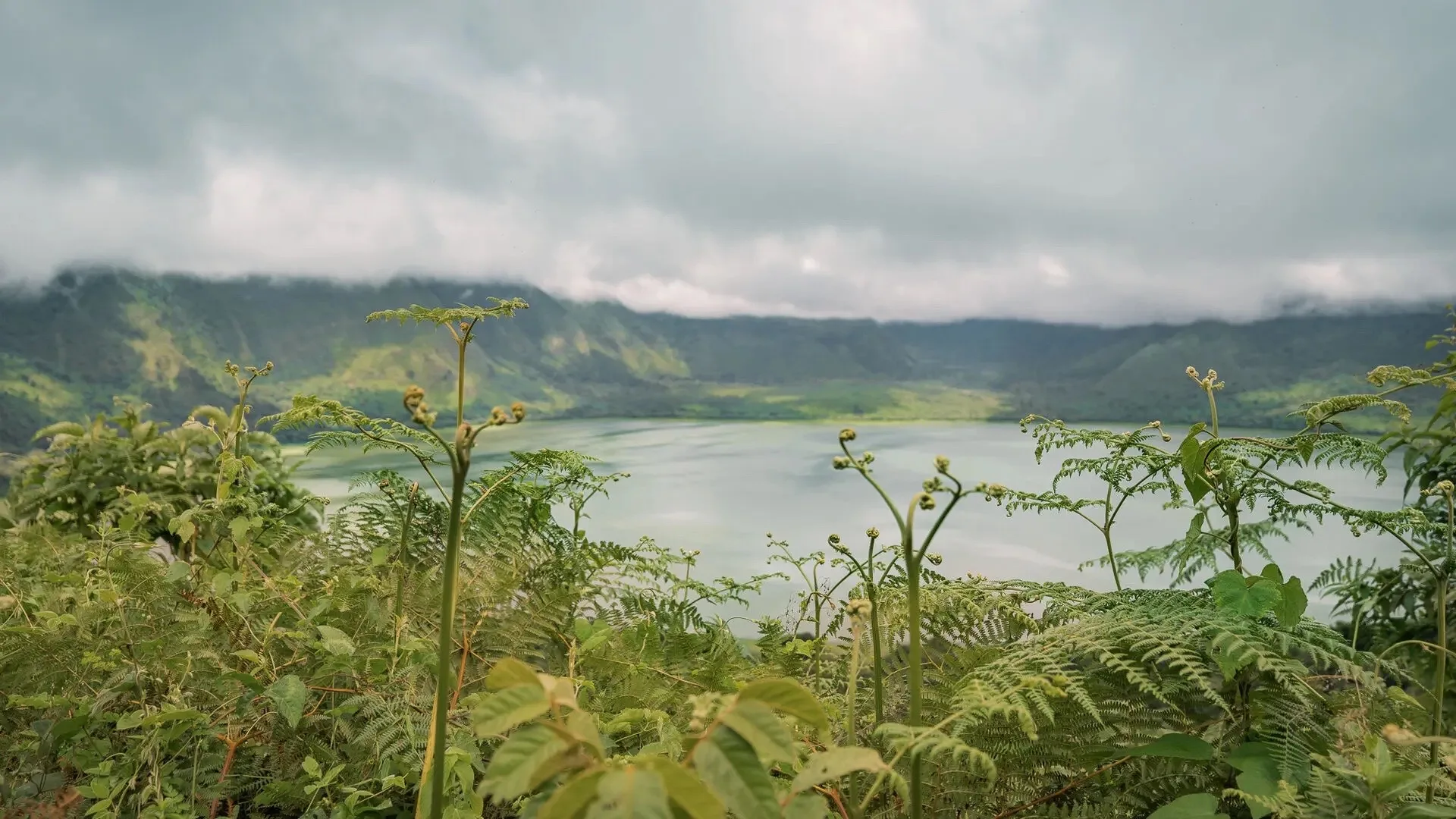
A complete ecosystem inside a collapsed volcano, with the Big Five within its walls.
Enquire About NgorongoroThe Ngorongoro Crater is one of the natural wonders of Africa: a collapsed volcanic caldera some 260 square kilometres across, its walls rising 600 metres above a flat floor that holds a complete, self-sustaining ecosystem. Standing on the rim and looking down on the herds below is a sight few forget.
Around 25,000 large animals live within the crater, and the density makes it possible to see the Big Five in a single morning. It is one of the best places in East Africa to find black rhino, alongside large lion prides, elephant bulls with heavy ivory, buffalo, and flamingos on the soda lake at its centre.
The wider Ngorongoro Conservation Area is a place of multiple land use, where Maasai pastoralists graze cattle alongside wild herds, an arrangement found in few protected areas. The area also contains Olduvai Gorge, one of the most important early-human sites on earth, and the calving grounds of Ndutu on its plains.
The crater floor can be busy with vehicles by mid-morning, so an early descent matters. Most travellers visit on a day trip from a rim lodge as part of a northern-circuit safari, pairing it with the Serengeti and Tarangire.
The crater offers a realistic chance of the Big Five in one day. Black rhino are the prize, grazing the open floor, alongside dense lion prides, elephant, buffalo and the supporting cast of plains game.
The soda lake at the centre, Lake Magadi, draws flamingos and waterbirds, and the marshes and forest fringes add variety. Cheetah and spotted hyaena hunt the floor, and the whole ecosystem is unusually concentrated.
The crater rim and the surrounding highland forest hold their own wildlife, including elephant and buffalo, and the birding across the conservation area is rich, from the lake to the highland species.
June to October, the dry season, gives the easiest access and game viewing, with clear skies and good visibility down onto the crater floor. This is the most popular time and the rim lodges fill up.
The green season from November to May brings lush scenery, fewer crowds and lower rates, and ties in with the Ndutu calving on the conservation area's plains. Occasional rain can make the descent road slow, but the crater is rewarding year-round.
A theatrical, richly decorated lodge perched on the crater rim, with butlers, log fires and direct views into the caldera.
Contemporary camps in quieter positions on the rim and highlands, combining crater access with a more intimate feel.
Comfortable rim lodges with grand crater views and easy access to the descent roads, popular on northern-circuit itineraries.
Lodges and farmstays in the Karatu highlands below the rim offer more affordable bases within reach of the crater.
The well-known rim campsite lets overland and budget travellers wake to the crater for very little.
The crater offers grand, sweeping scenes from the rim and close wildlife on the floor, from black rhino to lion and flamingo-pink shallows. Descend at first light for the best light and the fewest vehicles.
Ngorongoro suits all budgets, from the Simba campsite to the iconic Crater Lodge. It is usually a short, high-impact stop of one or two nights, slotted between the Serengeti and Tarangire on a northern-circuit trip.
The Ngorongoro Crater lies in northern Tanzania between Tarangire and the Serengeti, reached by road on the northern circuit or by light aircraft to the nearby Lake Manyara and Ndutu airstrips.
We arrange every detail, from the right camp to flights and transfers. Tell us your dates and we will do the rest.
Plan My Safari WhatsApp UsYes, often in a single day. The crater is one of the few places where lion, leopard, elephant, buffalo and black rhino all occur in a small, concentrated area, though leopard are the hardest to find.
It is one of the better places in East Africa to see black rhino, which graze the open crater floor, though sightings are never guaranteed.
One or two nights on the rim, with a full morning down in the crater, is usually enough, as part of a wider northern-circuit safari.
The floor can be busy with vehicles by mid-morning. An early descent gives you the best light and the quietest game viewing before the day trippers arrive.
June to October for clear, dry conditions, though the crater holds its wildlife year-round and the green season is quieter and cheaper.
Yes, the two are neighbours on the northern circuit and are almost always visited together, often with Tarangire as well.
Tell us roughly when you would like to travel and what you most want to see. Every enquiry is answered personally, usually within 24 hours. No set packages, no booking fees.