Kruger National Park
Mpumalanga & Limpopo, northeastNearly two million hectares of classic Lowveld, self-drive freedom and the full Big Five at every budget.
Explore Kruger National ParkThe most accessible, varied and rewarding safari country in Africa, and the one I know best.
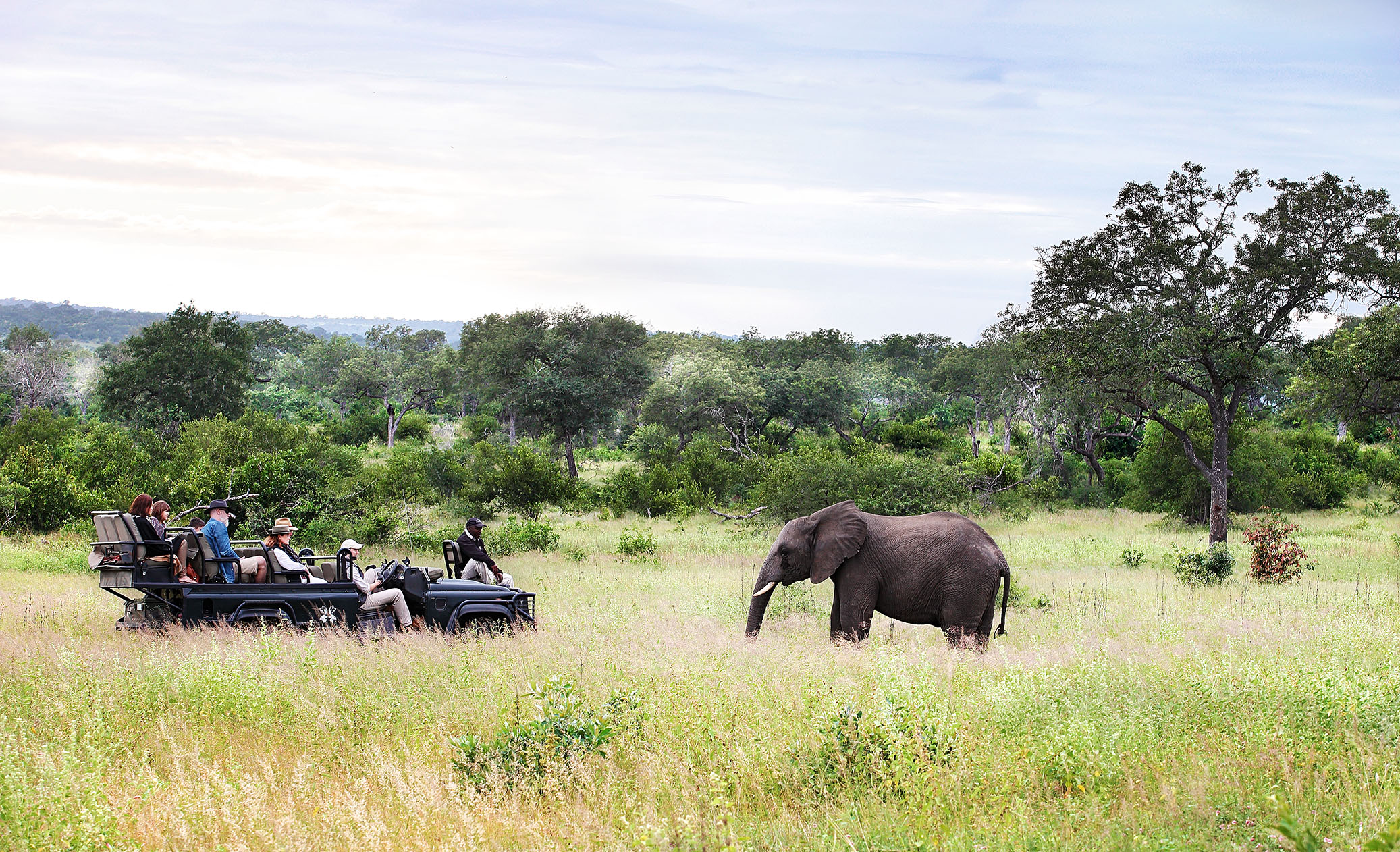
Plan My SafariSouth Africa is where I tell most first-time travellers to begin. It holds the Big Five, some of the best-run private reserves on the continent, and a standard of guiding that comes from a formal, examined qualification system. You can land in Johannesburg in the morning and be tracking leopard by the afternoon.
I spent eight years guiding here, in the Sabi Sands and as Head Ranger at andBeyond Phinda in KwaZulu-Natal. The country rewards that kind of time. Beyond the bush there are the Cape Winelands, two oceans and cities worth a few days each, which makes South Africa the easiest safari to combine into a longer trip.
It also answers the two questions that worry families most: cost and malaria. Reserves like Madikwe and the Eastern Cape are completely malaria-free, and the exchange rate keeps even the luxury lodges within closer reach than their East African equivalents.
The private reserves bordering the Kruger, led by the Sabi Sands, offer some of the most consistent Big Five viewing anywhere, with habituated leopard that carry on as if the vehicle is not there.
South African guides train through the FGASA system, a graded and examined qualification. It shows in how they read tracks, position at a sighting and interpret behaviour.
Madikwe, the Waterberg and the Eastern Cape deliver the Big Five with no antimalarials, which suits young families and nervous first-timers. See our guide to malaria-free reserves.
Add the Cape Winelands, the Garden Route, Cape Town or the KwaZulu-Natal coast. Internal flights are frequent and the roads are good.
From honest mid-range camps to Singita and Londolozi at the very top, South Africa spans the full range without the bush-flight costs that inflate trips elsewhere.
Rhino notching at Phinda, pangolin work at Tswalu, wild dog monitoring in the Waterberg. Several reserves put guests alongside the research teams on a conservation safari.
Lion, leopard, elephant, buffalo and rhino all occur, and in the Greater Kruger private reserves a genuine chance of all five in a few days is the norm rather than the exception.
The Sabi Sands and Timbavati hold the highest density of relaxed, viewable leopard in Africa. Lion, cheetah, spotted hyaena and the endangered African wild dog complete the predator line-up.
More than 850 species countrywide. The Lowveld in green season and the wetlands of KwaZulu-Natal are the headline areas, with summer migrants arriving from November.
Black and white rhino, wild dog, pangolin, aardvark and brown hyaena are all here for those who look. Phinda and Tswalu specialise in the harder-to-find species.
Guided walks are widely available, from a morning bush walk in the Sabi Sands to multi-day wilderness trails in the Kruger.
Open vehicles, off-road access in the private reserves and purpose-built hides like Zimanga make this one of the best countries to come home with serious images. See our photographic safaris.
South Africa's safari areas fall into three groups: the famous Greater Kruger private reserves in the northeast, the malaria-free parks of the north and Eastern Cape, and the malaria-free Big Five reserves of KwaZulu-Natal and the Eastern Cape. These are the ones I recommend most often.
Nearly two million hectares of classic Lowveld, self-drive freedom and the full Big Five at every budget.
Explore Kruger National Park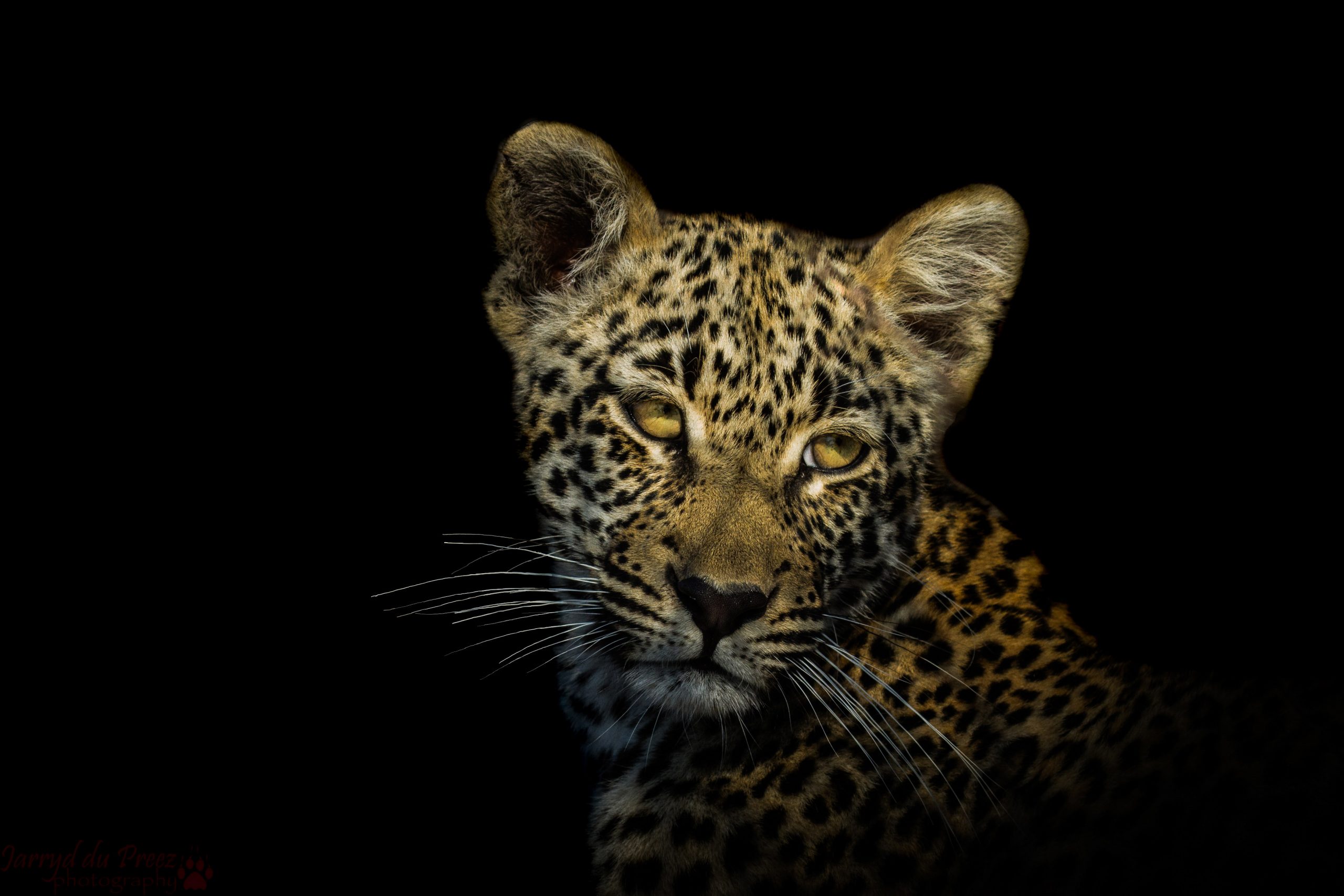
Unfenced with the Kruger, off-road traversing and the highest concentration of luxury lodges in the country.
Explore Sabi Sands
The same off-road Big Five as the Sabi Sands with a wilder, lower-volume feel, and a strong walking and value offering.
Explore Timbavati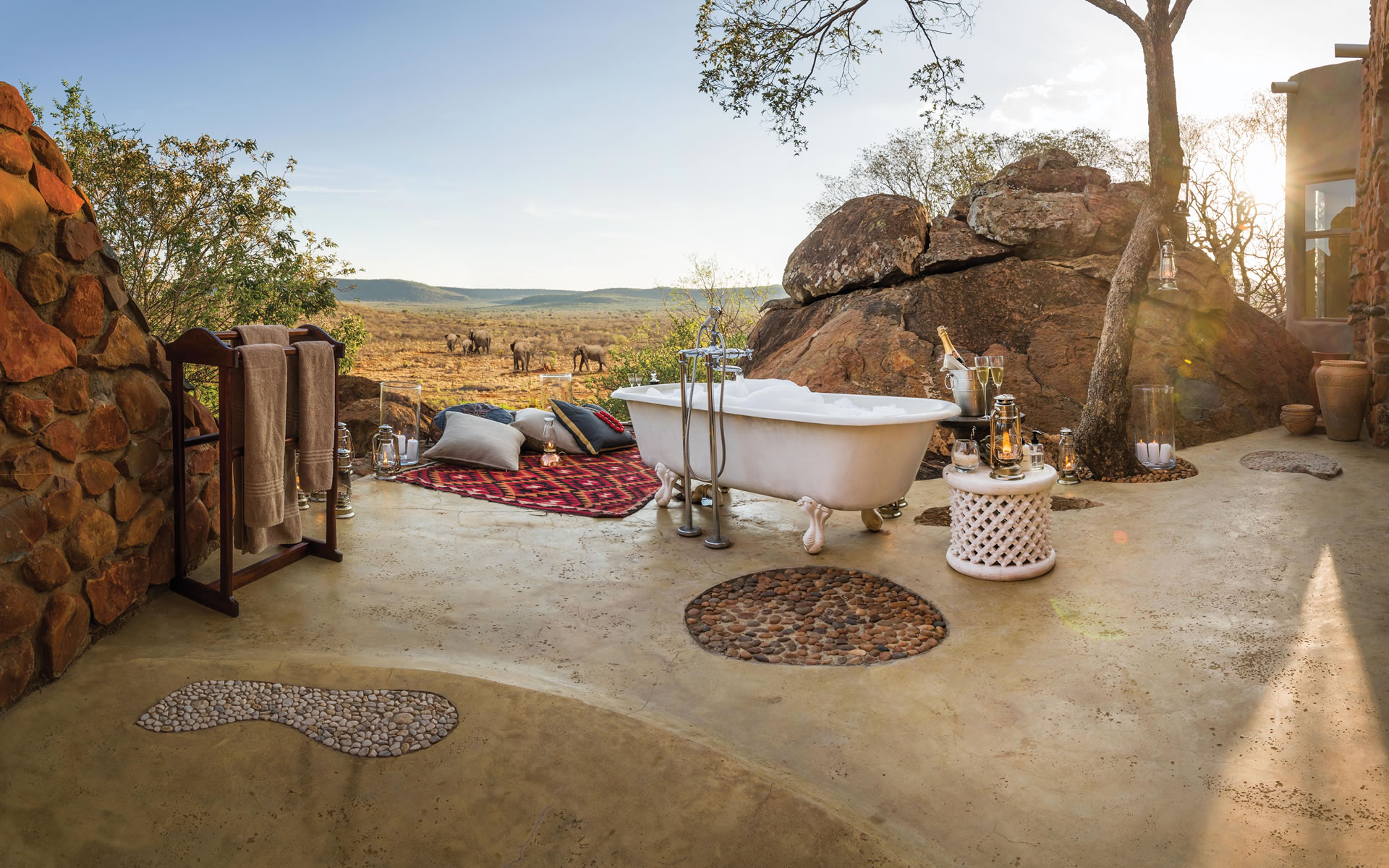
Malaria-free Big Five across 75,000 hectares on the Kalahari fringe, with strong wild dog and a family-friendly lodge collection.
Explore Madikwe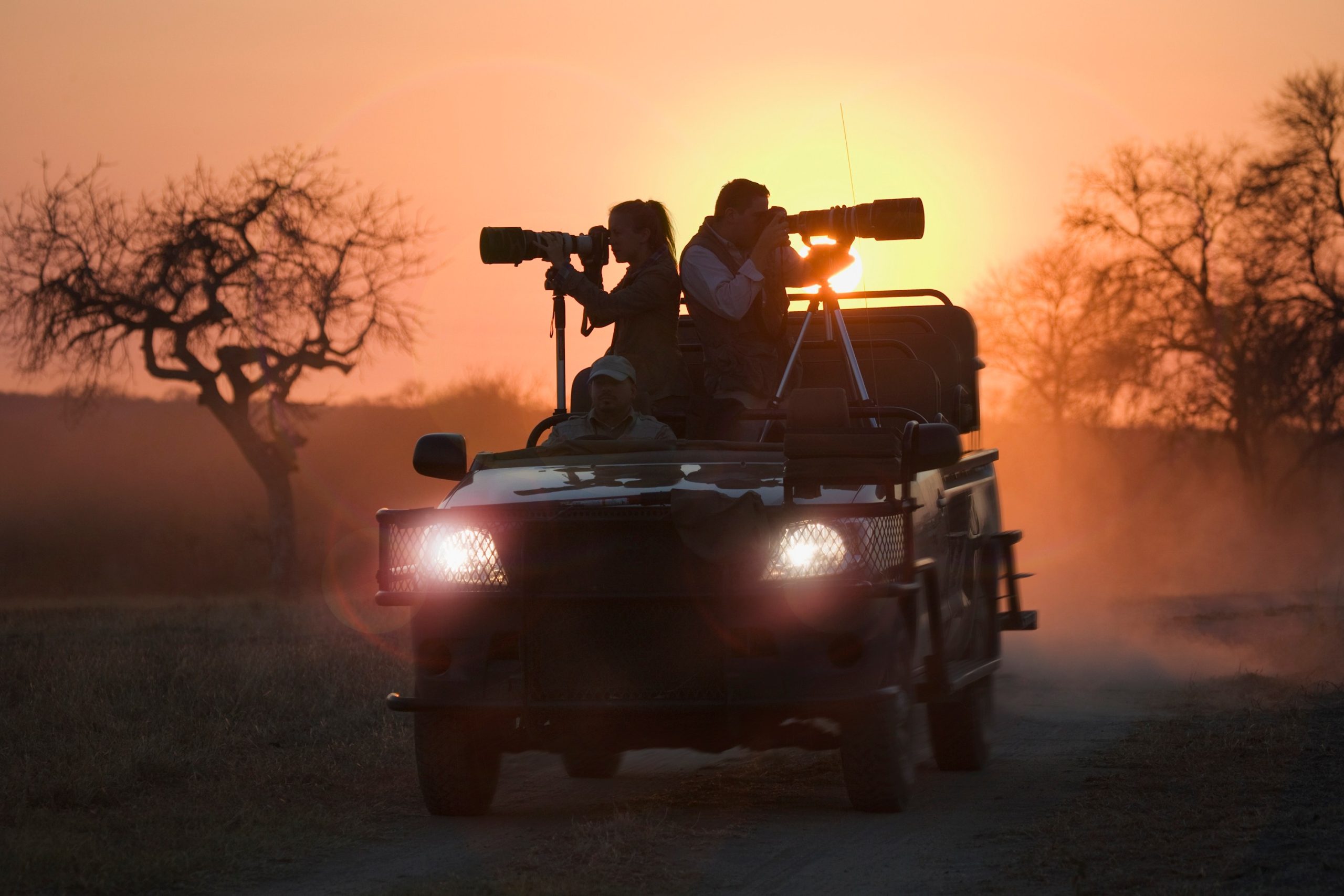
Seven distinct habitats, cheetah and black rhino, and hands-on conservation; the reserve where I worked as Head Ranger.
Explore Phinda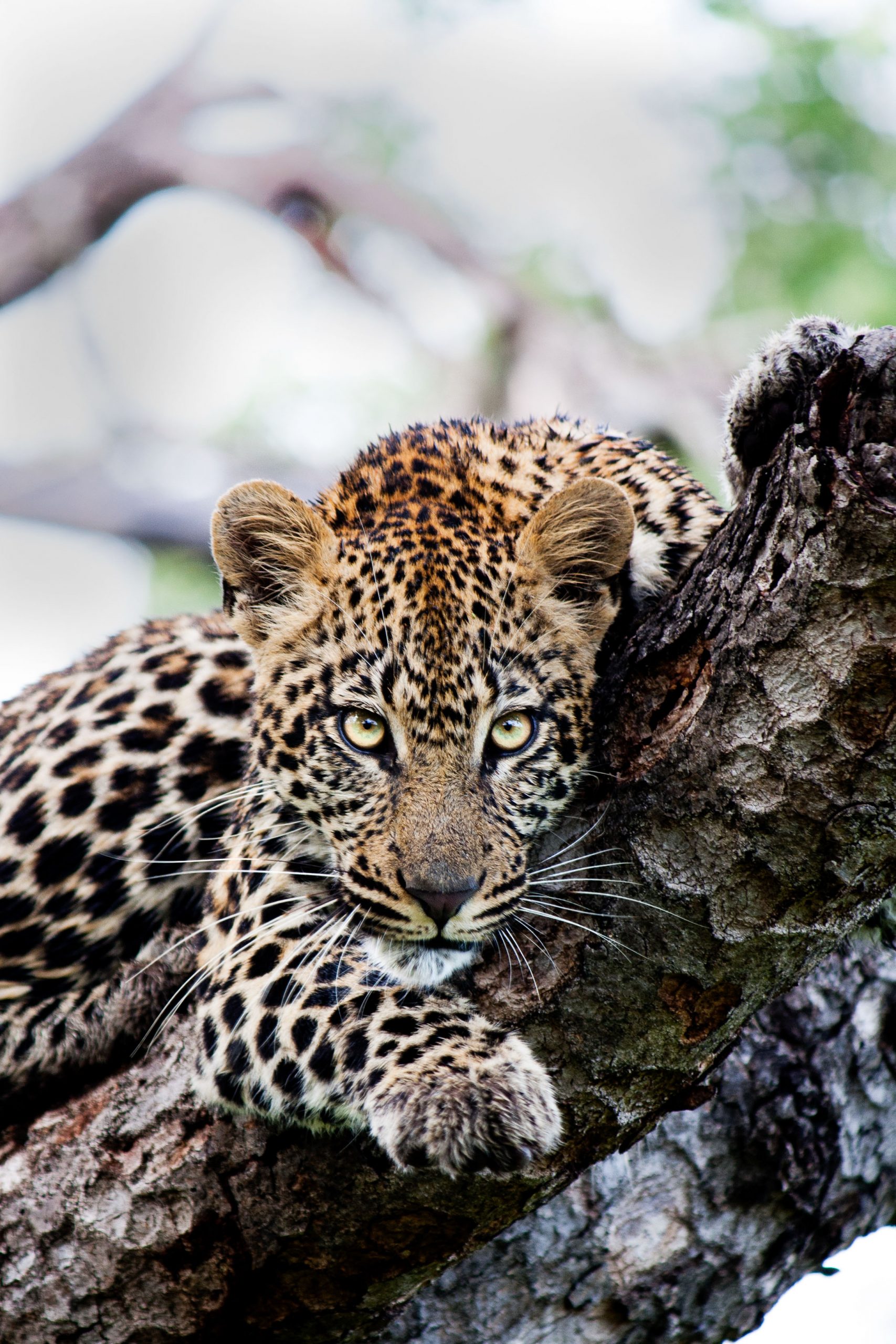
A malaria-free Big Five reserve in the Eastern Cape, restored from farmland, with hands-on black rhino conservation and exclusive-use villas.
Explore Kwandwe| Reserve | Best for | Best time | Suggested stay | Style |
|---|---|---|---|---|
| Kruger National Park | Big Five on a budget, self-drive | May to Sep | 3 to 5 nights | Value to luxury |
| Sabi Sands | Leopard, luxury, first-timers | May to Sep | 3 to 4 nights | Luxury to ultra-luxury |
| Timbavati | Lion, walking, value Big Five | May to Sep | 3 to 4 nights | Mid to luxury |
| Madikwe | Malaria-free Big Five, families, wild dog | May to Sep | 3 to 4 nights | Mid to ultra-luxury |
| Phinda | Cheetah, black rhino, bush-and-beach | May to Sep | 3 to 4 nights | Luxury |
| Kwandwe | Malaria-free Big Five, conservation, families | Year-round | 3 nights | Luxury |
South Africa is a year-round destination. The dry winter from May to September is the prime game-viewing window, while the green summer brings birding, newborn animals and lower rates. For a fuller breakdown, see our safari calendar.
| Month | Weather | Game viewing | Season |
|---|---|---|---|
| January | Hot, afternoon storms | Lush and green; superb birding | Green |
| February | Hot and humid | Newborn impala, active predators | Green |
| March | Warm, easing rains | Bush still thick; good general game | Green |
| April | Mild, drying out | Improving; fewer crowds | Shoulder |
| May | Cool, clear, dry | Bush thinning; viewing picks up | Shoulder |
| June | Cold mornings, dry | Excellent; animals at water | Peak |
| July | Cold mornings, dry | Peak; clear sightlines | Peak |
| August | Cool, dry, dusty | Peak; predators very active | Peak |
| September | Warming, very dry | Outstanding; concentrated at water | Peak |
| October | Hot, first storms | Very good; building heat | Shoulder |
| November | Hot, storms arrive | Green flush; migrants and lambing | Shoulder |
| December | Hot, afternoon storms | Lush; festive season, book ahead | Green |
Tell us when you want to travel and what you most want to see. We will build the trip around the wildlife calendar.
Plan My Safari WhatsApp UsYes. The private reserves and lodges are remote, secure and professionally run, and the safari areas are among the safest places you can travel. Apply normal city travel sense in Johannesburg and Cape Town, as you would in any large city.
For game viewing, the dry winter from May to September is best, when thin bush and limited water concentrate animals. The green summer is better for birding, newborns and lower rates. Our safari calendar breaks it down month by month.
It depends on the reserve. The Sabi Sands, Timbavati and Kruger are low-risk malaria areas where many travellers take precautions in summer. Madikwe and the Eastern Cape are completely malaria-free. See our guide to malaria-free safaris.
Yes. The Greater Kruger private reserves, including the Sabi Sands and Timbavati, offer some of the most reliable Big Five viewing in Africa, often within a three to four night stay.
The Sabi Sands for the classic, high-density Big Five experience with luxury lodges. If a malaria-free trip matters, Madikwe is the strongest choice.
Three to four nights in a single reserve is the practical minimum. Five to seven nights lets you combine two contrasting areas, such as the Sabi Sands and Phinda, or add Cape Town.
Very. Malaria-free Madikwe and several family lodges run dedicated children's programmes. Read our guides to family safaris and what age kids can go on safari.
It spans a wide range. Honest mid-range camps start around R6,000 per person per night, while top luxury lodges run from R15,000 to R50,000 and beyond, fully inclusive. We tailor every trip to your budget.
Johannesburg (OR Tambo) is the gateway for the Greater Kruger and Madikwe, with onward light-aircraft flights to lodge airstrips. For Phinda in KwaZulu-Natal, you fly via Durban or directly to the reserve's airstrip.
Travellers from the UK, EU, US, Australia and many other countries receive a free entry stamp of up to 90 days on arrival. Always confirm the current requirement for your passport before booking flights.
Neutral, layered clothing, a warm fleece and beanie for cold winter mornings, sun protection and a camera. Our guide to your first safari covers it in detail.
Yes, and it is a classic pairing. Frequent flights connect Johannesburg and the Greater Kruger with Cape Town, so a week of bush, city and wine works comfortably.
The national park allows affordable self-drive on a road network, but you stay on the roads and share sightings. The private reserves are guided only, allow off-road access to animals, cap vehicle numbers and cost more.
Yes, in the Kruger National Park, which has rest camps and a good road network. The private reserves are guided only, which we recommend for the depth of the experience and the off-road access.
Yes. Many lodges offer guided morning walks, and the Kruger runs multi-day wilderness walking trails for the more adventurous.
The Sabi Sands and Timbavati for habituated predators and off-road access, and Zimanga in KwaZulu-Natal for its purpose-built photographic hides. See our photographic safaris.
Excellent. Private suites, plunge pools and bush dinners are standard at the top lodges. See our couples safaris and the honeymoon planning guide.
Tell us your dates, group and what you most want to see, and we build the trip from scratch. Every enquiry is answered personally by Jarryd, usually within 24 hours, with no booking fees.
Tell us roughly when you would like to travel and what you most want to see. Every enquiry is answered personally by Jarryd, a former Sabi Sands guide and Head Ranger at andBeyond Phinda, usually within 24 hours. No set packages, no booking fees.