The private reserve that set the standard for luxury safari, and the best place in Africa to see leopard.
Enquire About Sabi SandsThe Sabi Sand Game Reserve is the birthplace of the luxury photographic safari. Lodges like Londolozi and MalaMala pioneered the model decades ago: small camps, expert guides and trackers, and a focus on getting close to wildlife rather than ticking off a list. It remains the standard the rest of Africa measures itself against.
The reserve shares a long unfenced boundary with the Kruger National Park, so animals move freely between the two. The difference is how you see them. Here the guides drive off-road, follow a leopard into the thickets and stay with a sighting for as long as you like, with a strict limit on the number of vehicles allowed in.
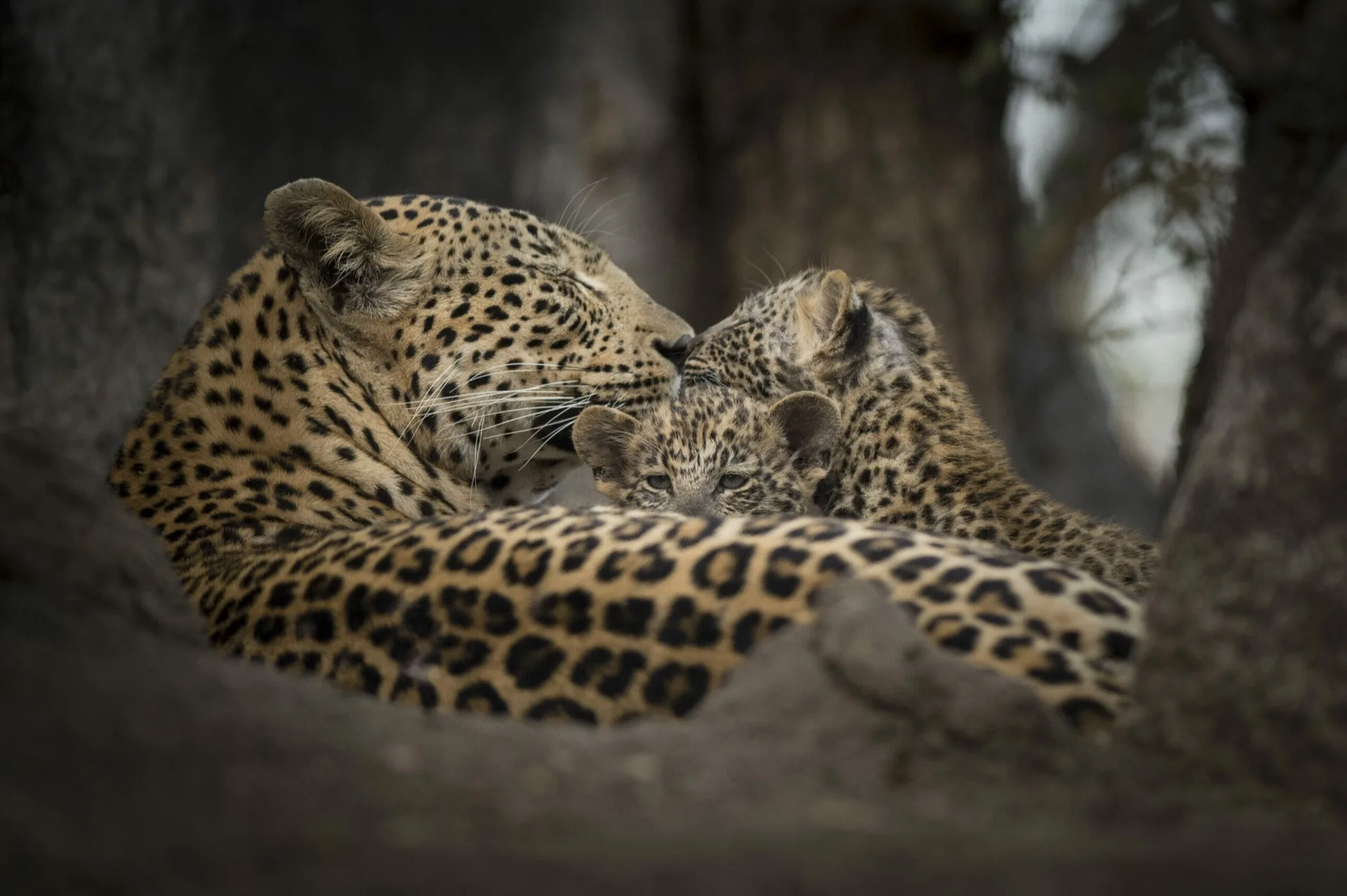
Generations of habituation mean the predators, leopard above all, simply ignore the vehicle. This is why the Sabi Sands produces the close, unhurried leopard sightings that fill wildlife documentaries and photography portfolios. I guided here early in my career, and nowhere else have I had cats walk so calmly past the bonnet.
The lodge collection runs from the very top of the market to a handful of genuinely good-value camps, so the Sabi Sands is not only for big budgets. Whatever the price, the traversing rights, guiding standard and game density are what you are paying for.
Leopard are the signature. The Sabi Sands holds the highest density of relaxed, viewable leopard anywhere in Africa, and most stays produce several individual sightings, often at close range and in good light.
The rest of the Big Five are equally reliable. Lion prides are large and well known, elephant and buffalo move through constantly, and both white and the rarer black rhino occur. African wild dog and cheetah are seen regularly, and den sites in winter are a highlight when they happen.
The supporting cast is rich: spotted hyaena, a full range of plains game, and strong birding that lifts in the green summer. Night drives, which the national park does not allow, add genets, civets, bushbabies and the occasional pangolin or aardvark.
May to September is the prime window. The bush thins, sightlines open and leopard viewing is at its best, with cold mornings that keep predators active. June to September is peak season, so the best lodges book out months ahead.
The green summer from October to April is hotter and lusher, with dramatic storm light that photographers love and impala lambing in November that draws predators. Rates drop and the reserve feels quieter. Our guide to the best time to visit the Sabi Sands covers it month by month.
Benchmark lodges for design, service and food, on a private Sand River concession in the western Sabi Sands.
A family-run Sabi Sands pioneer with five distinct camps, legendary leopard viewing and a strong conservation and tracking heritage.
Outstanding traversing and game density at a more accessible price, with MalaMala holding the largest private Kruger frontage of any reserve.
Honest, well-located camps that share the same off-road traversing and leopard sightings for considerably less.
All-ages lodges with childrens programmes, family suites and the flexibility that makes a safari work with younger children.
This is one of the finest photographic destinations in Africa. Off-road access puts you alongside relaxed leopard in beautiful light, the guides understand sun angles, and night drives open up subjects you cannot shoot in the national park. Green-season storms add drama for those who time it.
The Sabi Sands sits at the luxury end, but it is not only for big budgets. Camps like Umkumbe and Nkorho share the same traversing and sightings for far less, so the reserve works from genuine value through to the very top of the market.
The Sabi Sands sits on the western boundary of the Kruger, roughly a one-hour light-aircraft flight from Johannesburg to the reserve airstrips at Skukuza, Arathusa or Ulusaba. A road transfer takes around five to six hours.
We arrange every detail, from the right camp to flights and transfers. Tell us your dates and we will do the rest.
Plan My Safari WhatsApp UsDecades of careful, low-impact viewing have habituated the leopard to vehicles, so they behave naturally at close range. Combined with off-road access, that produces the best leopard sightings in Africa.
No. It shares an open, unfenced boundary with the Kruger National Park, so wildlife moves freely between the two. The Sabi Sands difference is off-road, guided viewing with limited vehicles.
Rates run from around R8,000 per person per night at value camps to R40,000 and beyond at the top lodges, fully inclusive of meals, drinks and two game drives a day.
No, it is a low-risk malaria area with most risk in summer. For a malaria-free Big Five alternative, consider Madikwe or the Eastern Cape.
Three to four nights is ideal and usually delivers all of the Big Five along with multiple leopard sightings.
Yes. Sabi Sabi Bush Lodge and Lion Sands welcome all ages with childrens programmes and family suites. See our family safari guidance.
Tell us roughly when you would like to travel and what you most want to see. Every enquiry is answered personally, usually within 24 hours. No set packages, no booking fees.