
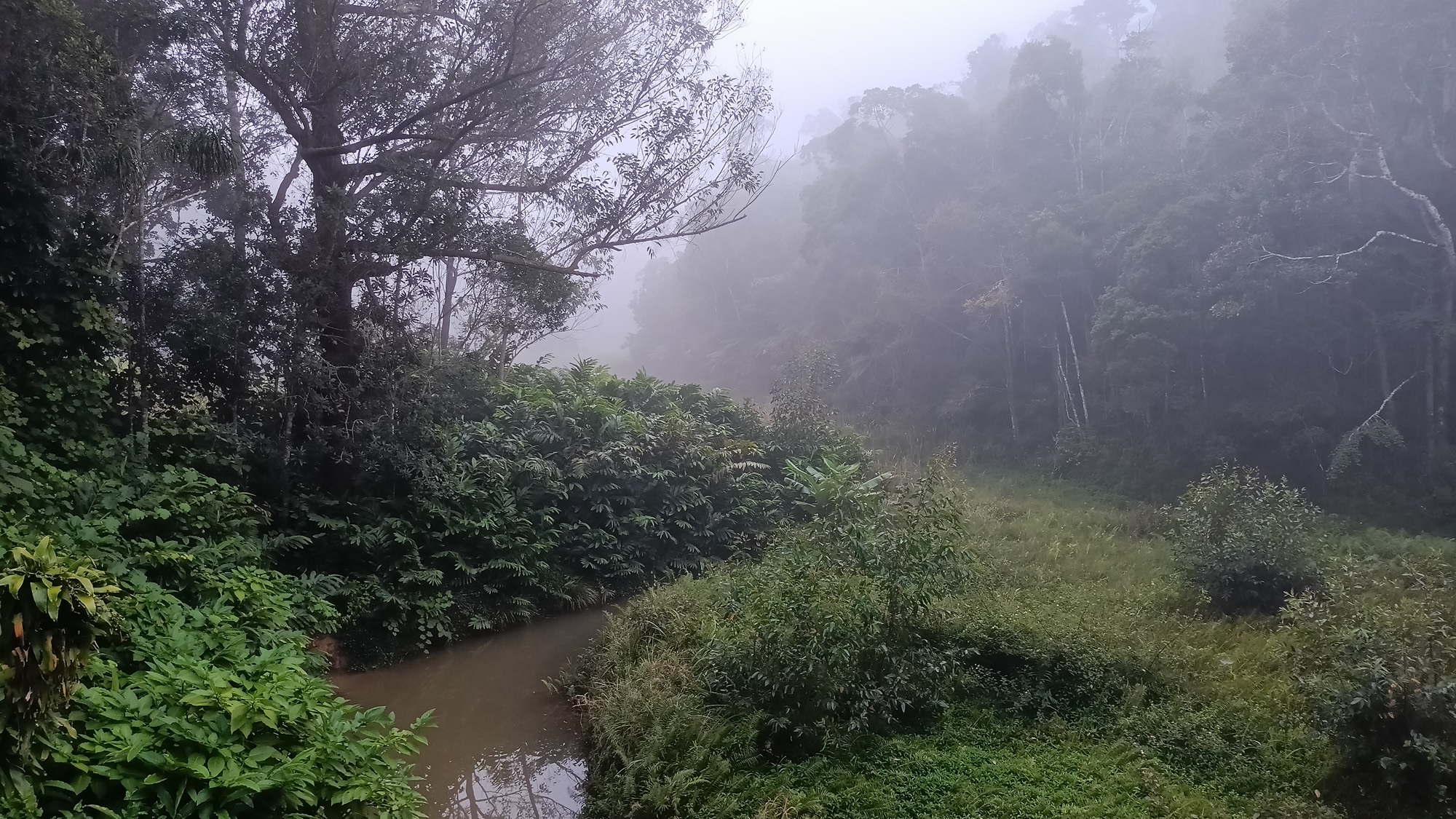
Andasibe-Mantadia
Eastern Madagascar, 3 hours from AntananarivoThe closest major rainforest to Antananarivo, and the most reliable place to see and hear the indri, Madagascar's largest living lemur.
Explore Andasibe-Mantadia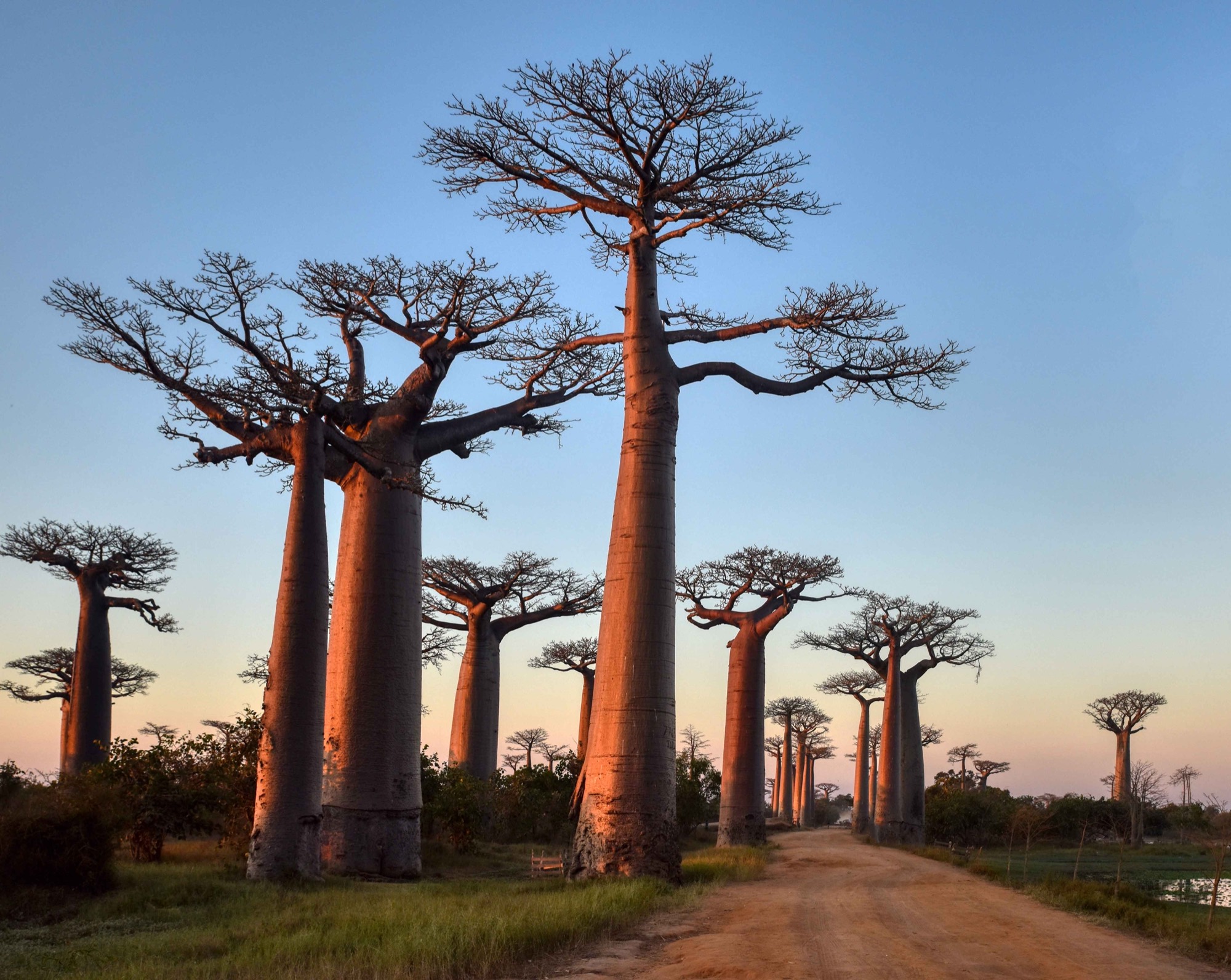
Lemurs, baobabs and limestone forests found nowhere else on earth, on an island that split from Africa 160 million years ago.
Plan My SafariMadagascar split from the African mainland around 160 million years ago and from India roughly 90 million years ago, long enough for its wildlife to evolve in near-total isolation. More than 90 percent of its mammals, and the vast majority of its plants, exist nowhere else on earth. This is not a Big Five destination and was never going to be one; lion, elephant and giraffe simply never reached it. What it offers instead is a parallel version of nature, lemurs rather than monkeys, baobabs rather than acacias, found in combinations no other country on the planet can match.
This is also a harder country to move around than a conventional African safari. Roads are frequently poor, domestic flights are limited and sometimes delayed, and a single itinerary covering rainforest, dry forest and the baobab country of the west usually means several internal flights rather than one base and day trips. Travellers who come expecting South Africa-style infrastructure are routinely surprised; travellers who come prepared for a genuine expedition tend to leave as advocates.
Malaria precautions are necessary across almost the entire country, unlike Mauritius, the Seychelles or Namibia's dry regions, and that honestly is worth factoring into who Madagascar suits. It rewards travellers with time, flexibility and a specific interest in wildlife and landscape found nowhere else, more than it suits a tightly scheduled first safari. Pairing it with a South Africa or Southern Africa safari is common, flying via Johannesburg.
Lemurs, chameleons, baobabs and the limestone spires of the Tsingy are all Madagascar endemics, unrelated to anything on mainland Africa and unrepeatable on any other safari.
From the two-metre leap of the indri's call to the nocturnal mouse lemur, the smallest primate on earth, Madagascar's lemur diversity is unmatched anywhere.
A single dirt road lined with centuries-old baobab trees near Morondava, one of the most photographed tree landscapes in the world, especially at sunset.
The razor-sharp limestone pinnacles of the Tsingy, the sandstone canyons of Isalo and the spiny forest of the south look unlike anywhere else on the continent.
Madagascar receives a fraction of the visitors of mainstream safari countries, so its parks, even the well-known ones, rarely feel crowded.
Deforestation has removed most of Madagascar's original forest cover, and the parks that remain are frontline conservation projects, not managed estates. See our conservation safaris.
Over a hundred species and subspecies, from the dog-sized indri, whose wailing call carries for kilometres through the Andasibe rainforest, to the ring-tailed lemur troops of Isalo's sandstone canyons.
Roughly half the world's chameleon species are Madagascar endemics, ranging from the palm-sized Parson's chameleon to species small enough to perch on a fingertip.
More than 100 bird species are found nowhere else, including vangas, ground-rollers and the elusive, near-flightless mesites, drawing dedicated birders from around the world.
Six of the world's nine baobab species are Madagascar endemics, most dramatically at the Avenue of the Baobabs near Morondava, some trees estimated at 800 years old.
The fossa, a cat-like relative of the mongoose and Madagascar's largest predator, hunts lemurs in a handful of parks including Isalo and Kirindy, though sightings take patience.
The Tsingy's limestone spires, the Avenue of the Baobabs at sunset and the mist-wrapped rainforest at Andasibe are among the most distinctive landscapes in Africa. See our photographic safaris.
Madagascar's highlights sit far apart, so most itineraries link two or three by internal flight rather than drive between them: the rainforest lemurs of Andasibe near the capital, the canyons of Isalo in the south, and the baobab country of Morondava and the Tsingy in the west.
The closest major rainforest to Antananarivo, and the most reliable place to see and hear the indri, Madagascar's largest living lemur.
Explore Andasibe-Mantadia
Eroded sandstone massifs, natural swimming pools and ring-tailed lemur troops, Madagascar's most dramatic hiking landscape.
Explore Isalo National Park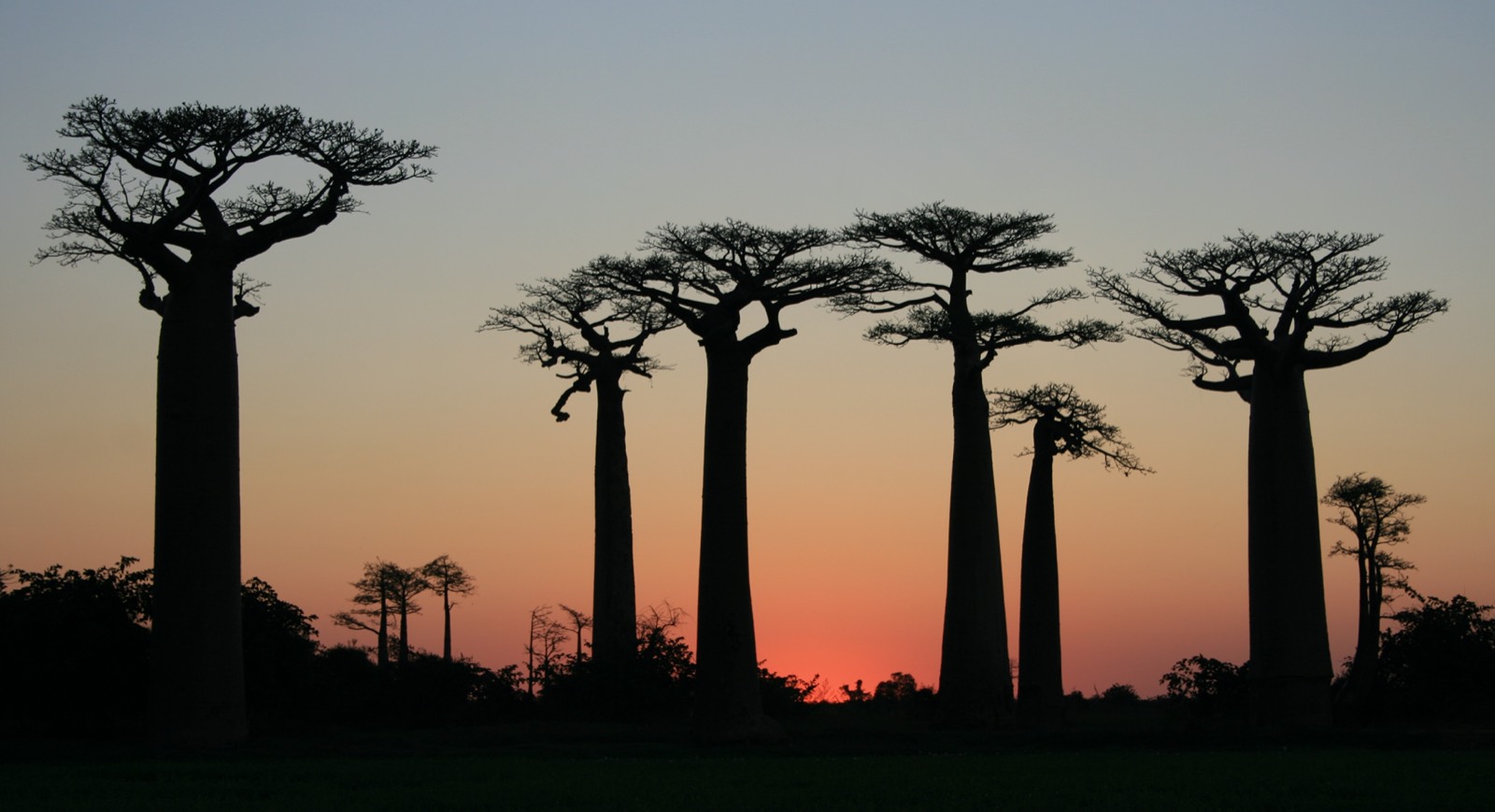
Centuries-old Grandidier's baobabs lining a single dirt road, most famous at sunset when their silhouettes dominate the sky.
Explore Avenue of the Baobabs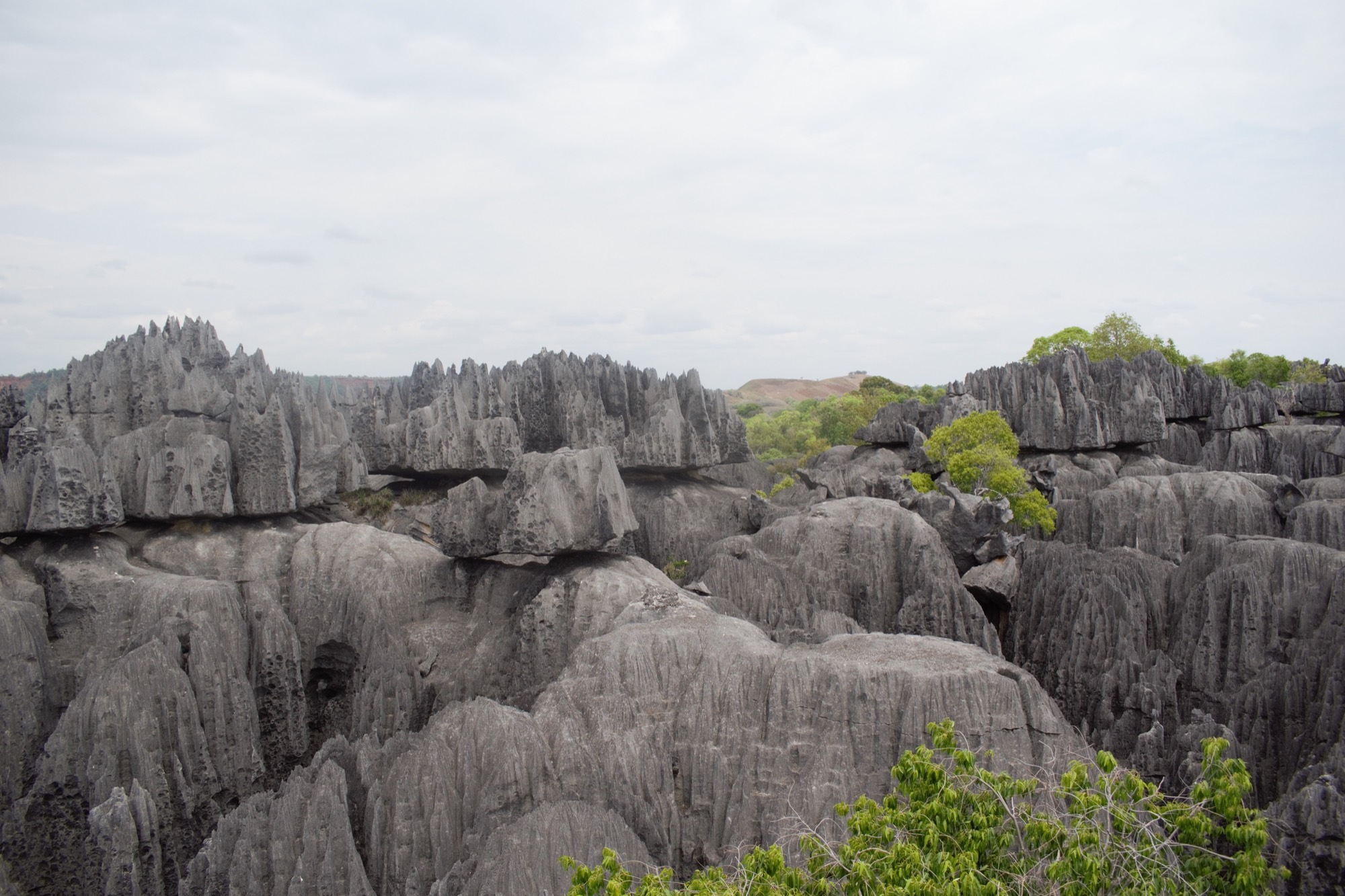
Razor-sharp limestone karst crossed by suspension bridges and via ferrata routes, one of the strangest landscapes in Africa.
Explore Tsingy de Bemaraha| Reserve | Best for | Best time | Suggested stay | Style |
|---|---|---|---|---|
| Andasibe-Mantadia | Indri lemurs, easy access, rainforest | Apr to Dec | 2 nights | Value to luxury |
| Isalo National Park | Hiking, canyons, ring-tailed lemurs | Apr to Oct | 2 to 3 nights | Mid-range to luxury |
| Avenue of the Baobabs | Photography, baobabs, sunset | Apr to Nov | 1 to 2 nights | Value to luxury |
| Tsingy de Bemaraha | Adventure, geology, remoteness | May to Nov | 2 nights | Adventure, limited luxury |
Madagascar has a wet, cyclone-prone season from roughly November to April and a cooler, drier season from May to October that suits travel far better. Cyclone risk peaks January to March, concentrated on the east coast.
| Month | Weather | Game viewing | Season |
|---|---|---|---|
| January | Hot, wet, cyclone risk | Lush forest; east coast cyclone risk | Green |
| February | Hot, wet, cyclone risk | Peak cyclone season; travel can be disrupted | Green |
| March | Hot, wet, cyclone risk | Rains easing late in the month | Green |
| April | Warm, drying out | Improving; forest still lush | Shoulder |
| May | Mild, dry | Good trekking; cooler in the highlands | Peak |
| June | Cool, dry | Good lemur viewing; cold at altitude | Peak |
| July | Cool, dry | Peak season; book lodges well ahead | Peak |
| August | Cool, dry | Peak season; whale season begins at sea | Peak |
| September | Warming, dry | Excellent; lemur mating season | Peak |
| October | Warm, dry, humidity rising | Good; building toward baby lemur season | Peak |
| November | Hot, building rain | Baby lemurs arrive; forest greens up | Shoulder |
| December | Hot, wet | Newborn lemurs; rains begin in earnest | Green |
Most Madagascar trips are built entirely around the parks and reserves themselves rather than a separate beach or city extension, though these three sit along the way.
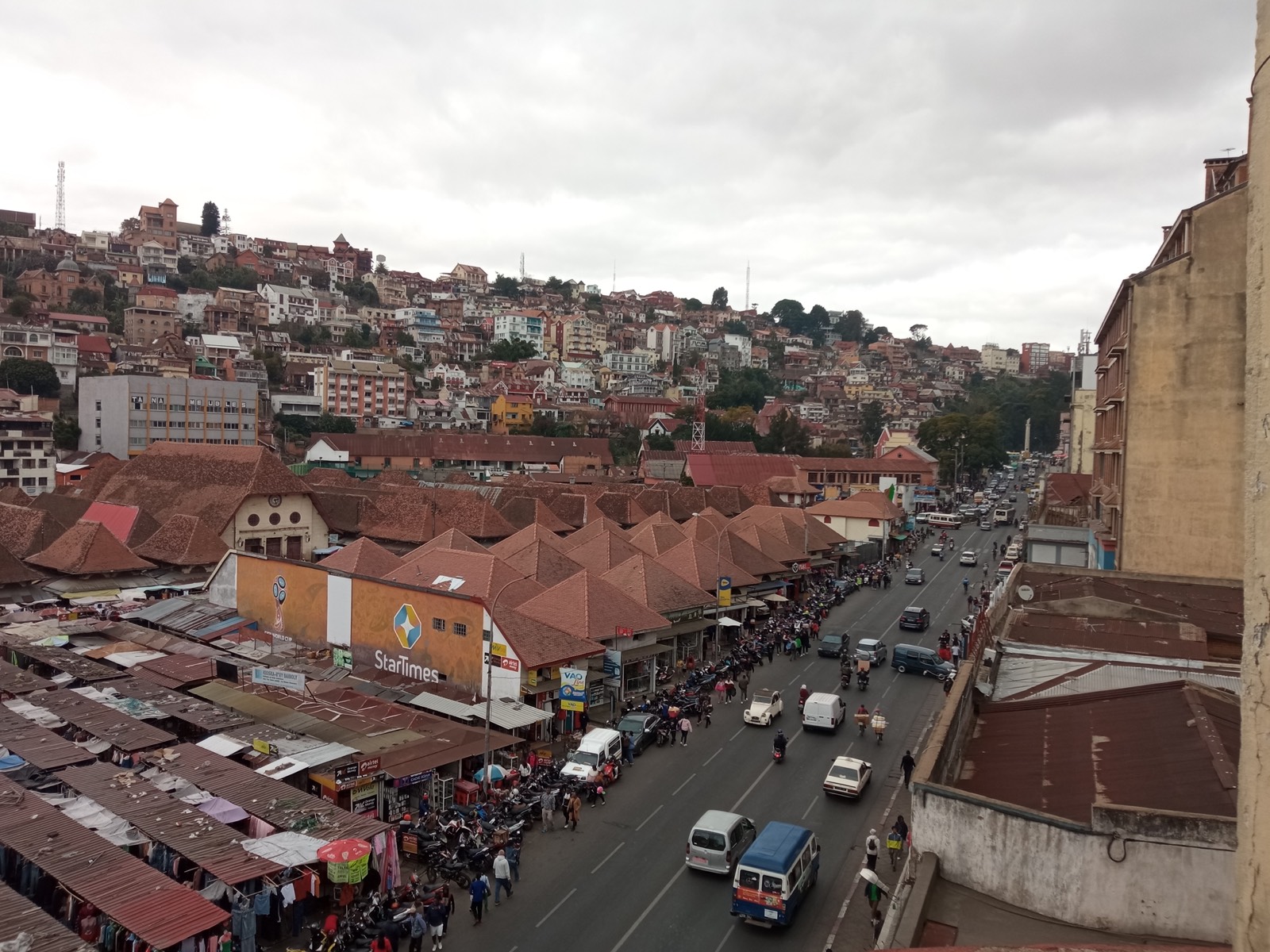
A hillside capital of narrow lanes and red-brick houses, usually an overnight stop at either end of a trip rather than a destination, though the old Rova palace and the central market reward a half-day if time allows.
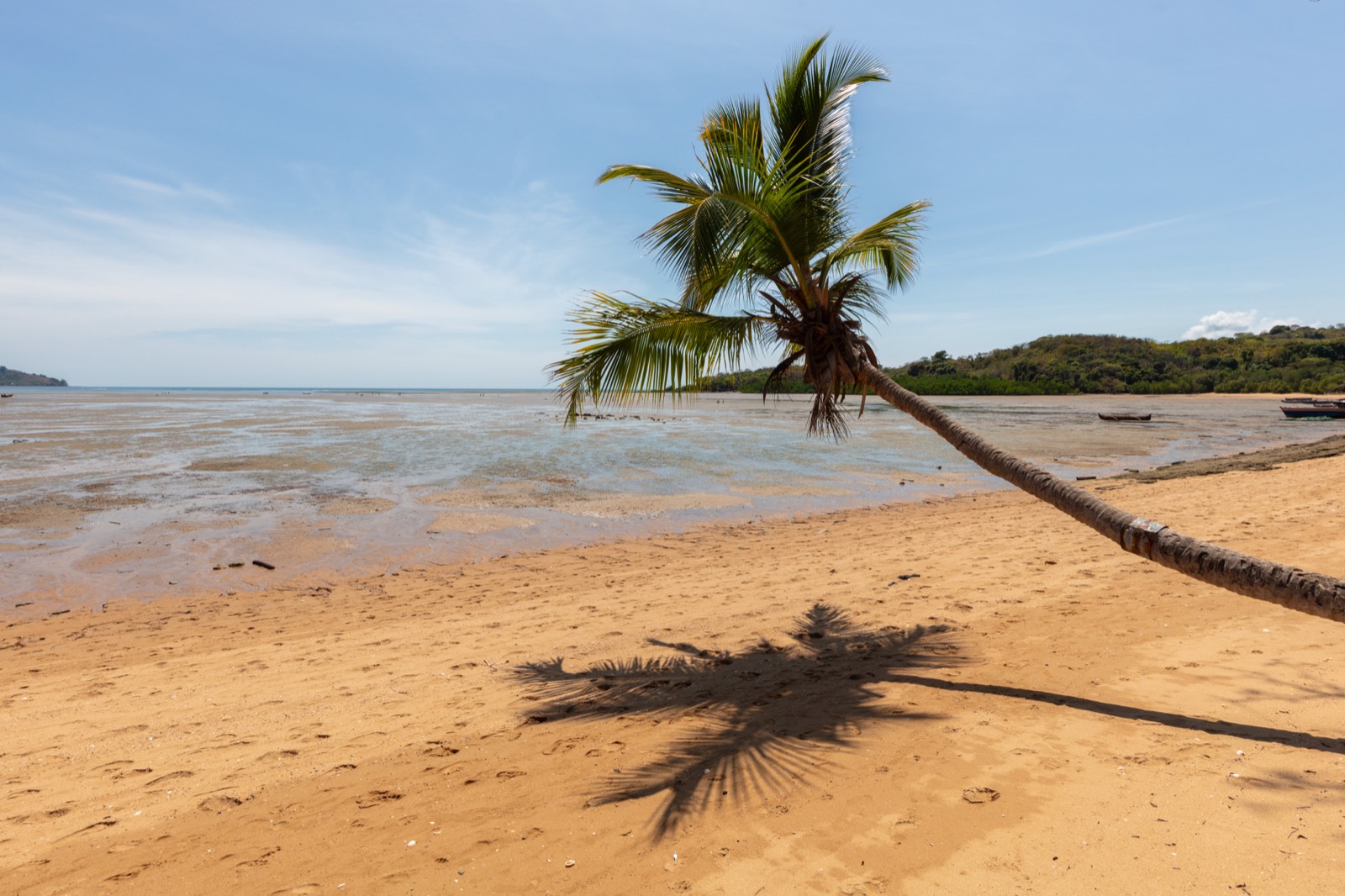
Madagascar's main beach resort island, off the northwest coast, pairs well with a lemur-and-baobab itinerary for guests who want a few days of beach time to close the trip, reached by a short domestic flight.
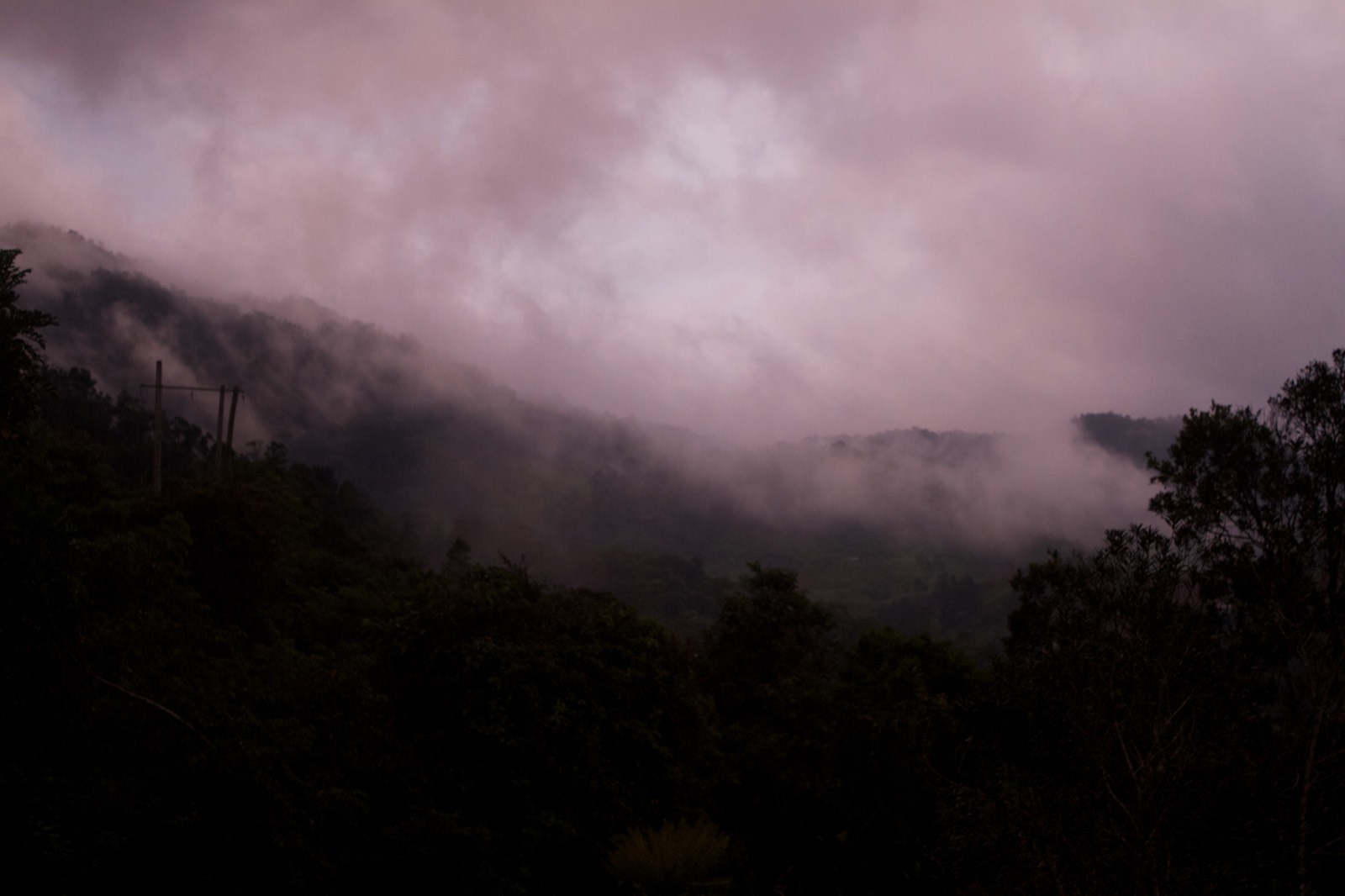
A second major rainforest park south of Antananarivo, home to the golden bamboo lemur, discovered only in 1986. An option for itineraries with extra time beyond Andasibe.
Tell us how much time you have and which parks matter most to you. Madagascar's internal flights book up and logistics take real planning, so the earlier we start, the better the itinerary.
Plan My Safari WhatsApp UsNot in the Big Five sense. Lion, elephant and giraffe never reached the island, so the wildlife draw is entirely different: lemurs, chameleons and baobabs found nowhere else on earth.
May to October, the dry season, for the most reliable travel and trekking conditions. November and December are good for newborn lemurs. January to March carries cyclone risk, concentrated on the east coast.
Yes, for nearly the whole country. Malaria transmission risk covers all areas except Antananarivo city, where it is rare. Take precautions and consult your doctor before travelling.
Twelve to fourteen days allows a proper circuit linking Andasibe, Isalo and the baobab country around Morondava. A shorter week-long trip can cover Andasibe and one other region.
More demanding than a conventional African safari. Roads are often poor, and covering the country's highlights usually means several internal flights, which can run late. Build buffer days into any itinerary.
A dirt road near Morondava lined with centuries-old baobab trees, among the most photographed tree landscapes in the world, best seen at sunset.
Yes, commonly via Johannesburg, pairing lemurs and baobabs with a Big Five safari in South Africa or elsewhere in the region.
Ivato International Airport, serving the capital Antananarivo, is the main gateway, with onward travel to the parks by domestic flight or road.
Tell us roughly when you would like to travel and what you most want to see. Every enquiry is answered personally, usually within 24 hours. No set packages, no booking fees.