
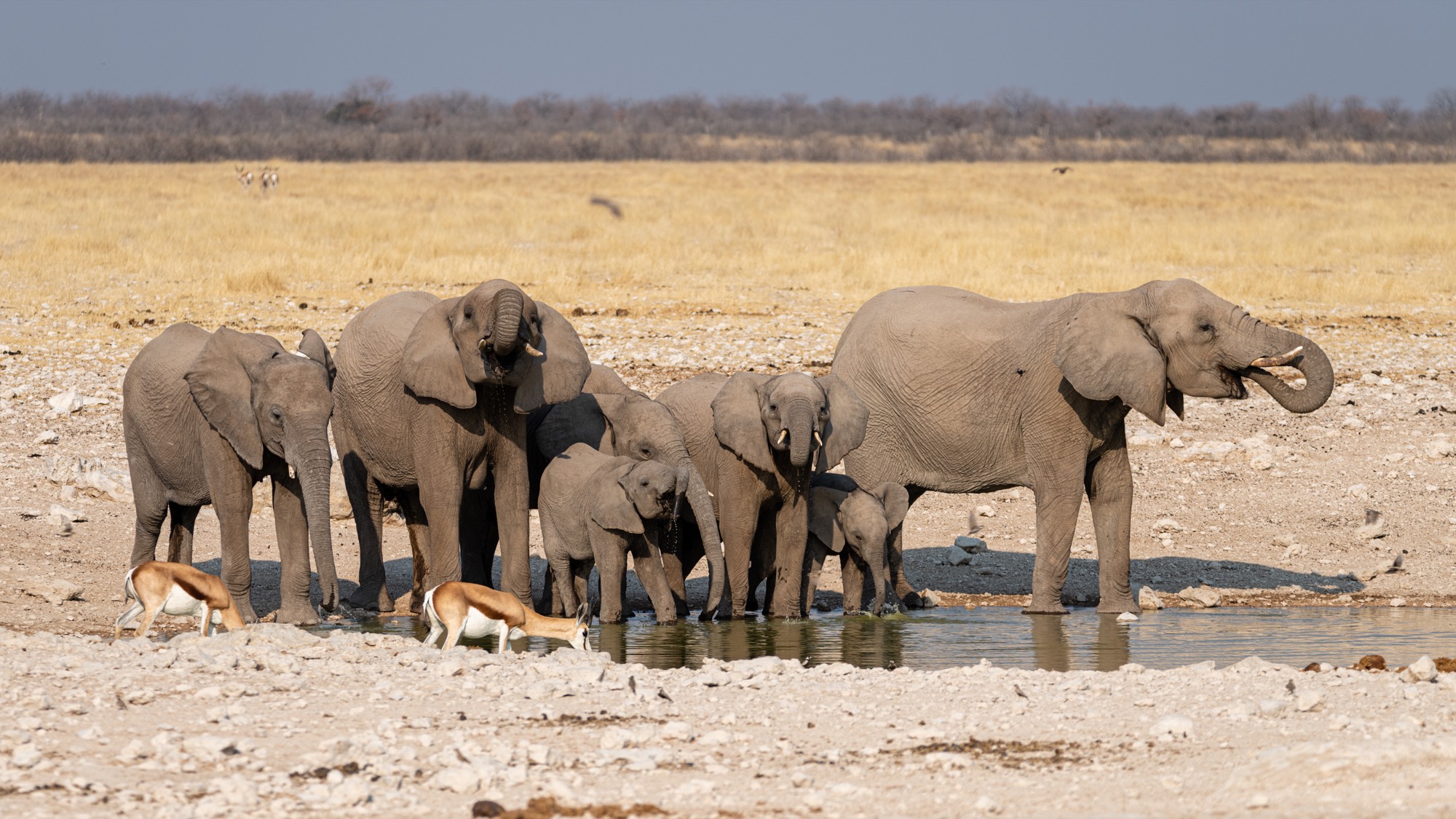
Etosha National Park
Northern NamibiaGame concentrated at floodlit waterholes in the dry season, with one of Africa's larger black rhino populations.
Explore Etosha National Park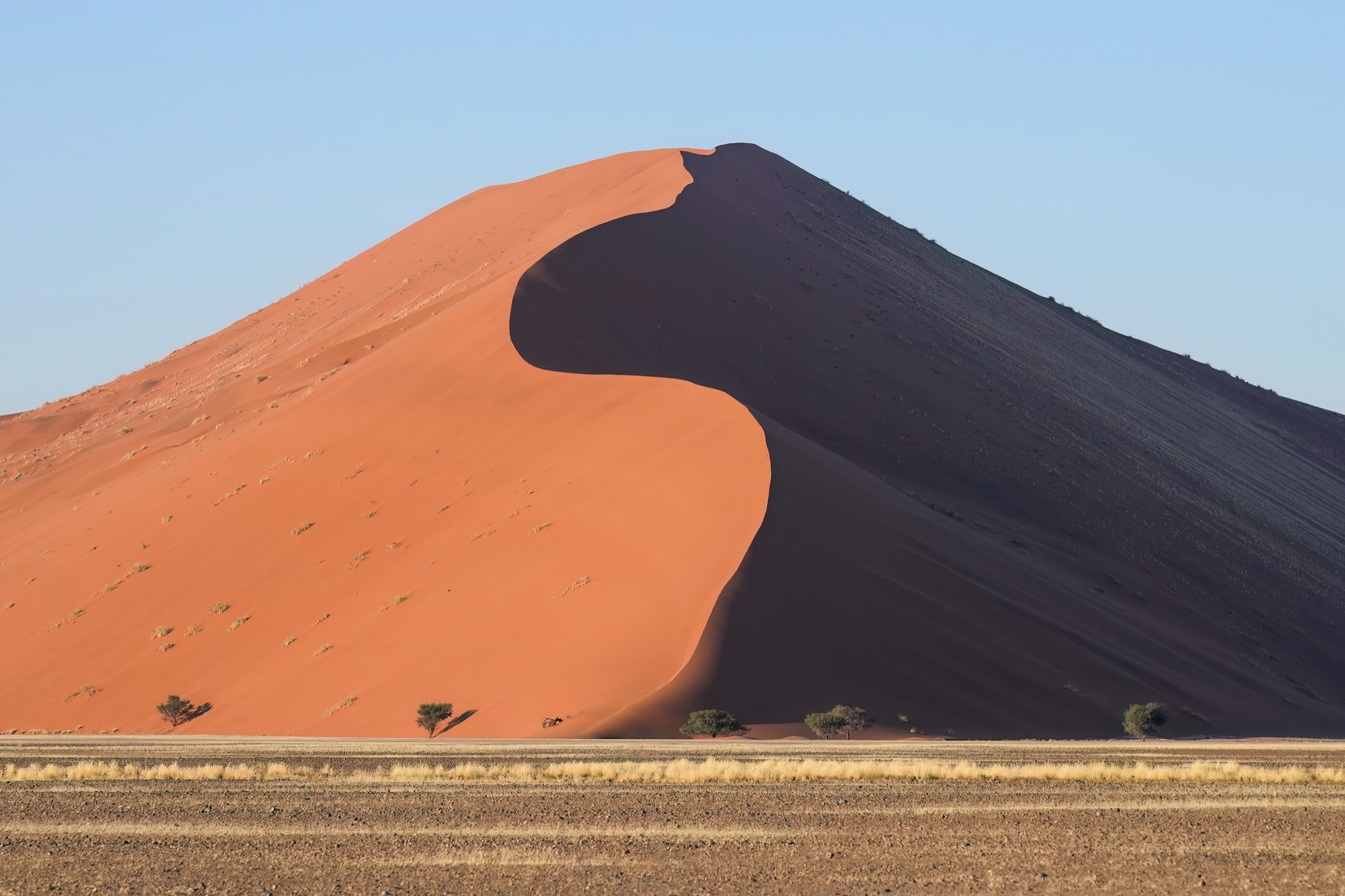
The driest, emptiest and most visually extreme country in Southern Africa, where desert, not density of game, is the main event.
Plan My SafariNamibia is not a game-density country and does not pretend to be. What it offers instead is scale and light: the oldest desert on earth, dunes that run to 300 metres, and a sense of space that no private reserve in South Africa can match. Game viewing here is a bonus layered onto landscape, not the other way round, and travellers who come expecting Sabi Sands-style sightings per hour are coming for the wrong reasons.
The country rewards a self-drive mentality even for guests who never leave a vehicle someone else is driving. Distances are long, roads are good gravel rather than tar, and lodges sit hours rather than minutes apart. That spacing is deliberate: Namibia has built its tourism around low-volume, high-value travel, and the emptiness is the product, not a side effect.
Etosha delivers the closest thing to classic game viewing, its waterholes concentrating wildlife in the dry season in a way few parks anywhere can match. Everywhere else, from the dunes of Sossusvlei to the fog-bound Skeleton Coast, the draw is geology and adapted desert wildlife, elephant, lion and rhino that have learned to survive on almost no water at all.
The Namib has existed in some form for 55 million years, and the dunes at Sossusvlei, among the tallest in the world, are its signature image.
Elephant, lion and black rhino survive in near-waterless terrain along the Skeleton Coast and in Damaraland, a genuinely different kind of sighting from a conventional savannah safari.
In the dry season, floodlit waterholes at camps like Okaukuejo and Halali turn night-time game viewing into a sit-and-wait spectacle, no vehicle required.
Namibia deliberately caps visitor numbers against its land area. The country feels empty by design, which is the whole point for travellers tired of queues at a sighting.
Outside the Caprivi Strip and the far north, Namibia carries little to no malaria risk, which matters for families and for guests coming off a malaria-zone reserve elsewhere.
Twyfelfontein in Damaraland holds one of Africa's largest collections of San rock engravings, some over 6,000 years old, adding a cultural layer most desert trips lack.
Etosha holds lion, leopard, elephant, buffalo and both black and white rhino, though buffalo are limited to the eastern reaches and sightings take patience compared with denser reserves.
Along the Skeleton Coast and in Damaraland, elephant and lion populations have adapted to near-waterless conditions, walking unusually long distances between water sources, a genuinely rare sight.
Etosha holds one of the larger black rhino populations left in Africa, frequently seen at waterholes after dark under floodlight.
The Namib supports bizarre, highly specialised life: the welwitschia plant, which can live over a thousand years, and reptiles like the Namaqua chameleon and Peringuey's adder that "swim" through sand.
Etosha's pan draws large numbers of flamingo after good rains, and the coast holds significant seabird colonies, including African penguin near Lüderitz.
Sossusvlei at dawn, the fog-bound Skeleton Coast and Etosha's stark white pan are among the most photographed landscapes in Africa. See our photographic safaris.
Namibia divides into a handful of very different landscapes rather than clustered reserves: Etosha for game viewing, Sossusvlei for the dunes, the Skeleton Coast for fog and shipwrecks, and Damaraland for desert elephant and rock art. Most itineraries link two or three of these in a single loop out of Windhoek.
Game concentrated at floodlit waterholes in the dry season, with one of Africa's larger black rhino populations.
Explore Etosha National Park
Towering red dunes, the ghostly dead trees of Deadvlei and sunrise light that draws photographers from everywhere.
Explore Sossusvlei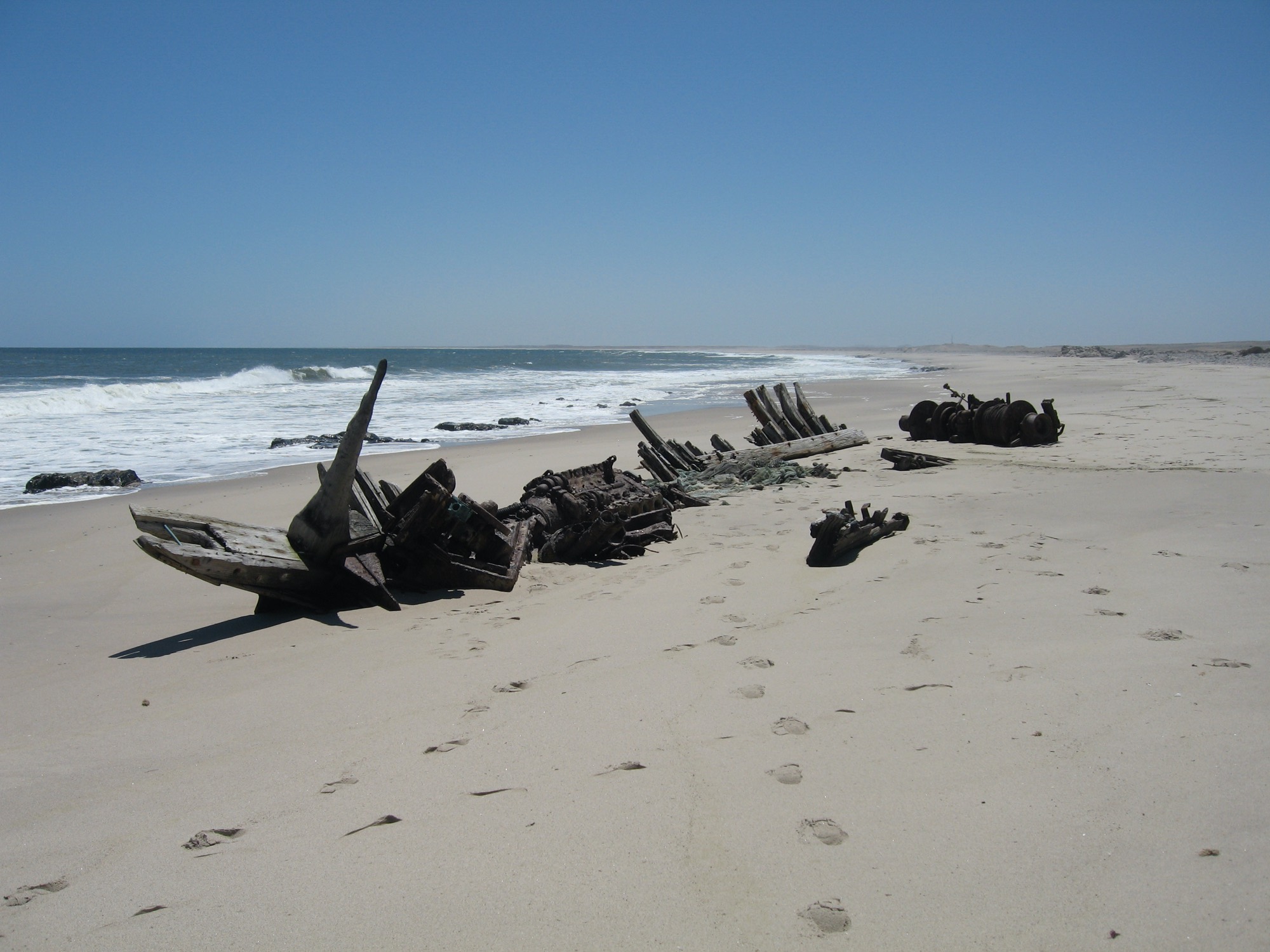
A remote, fog-bound coast of rusting shipwrecks, Cape fur seal colonies and desert-adapted elephant walking between dry riverbeds.
Explore Skeleton Coast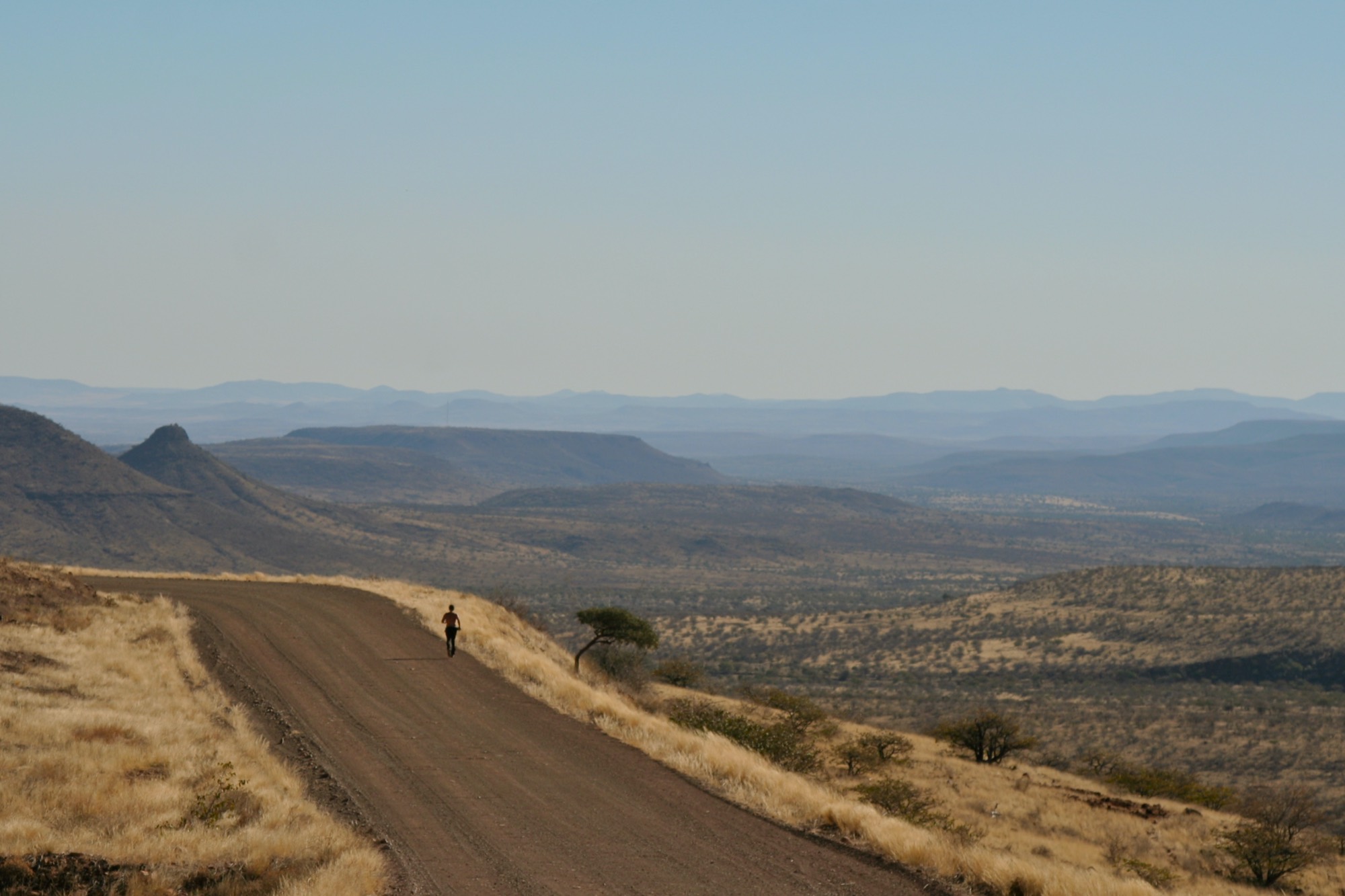
Twyfelfontein's 6,000-year-old rock engravings and desert-adapted elephant, in a stark, mountainous landscape between Etosha and the coast.
Explore Damaraland| Reserve | Best for | Best time | Suggested stay | Style |
|---|---|---|---|---|
| Etosha National Park | Game viewing, rhino, waterholes | May to Oct | 3 to 4 nights | Value to luxury |
| Sossusvlei | Dunes, photography, landscape | Apr to Oct | 2 to 3 nights | Mid-range to ultra-luxury |
| Skeleton Coast | Desert elephant, shipwrecks, remoteness | Year-round, fog varies | 2 to 3 nights | Luxury (fly-in only, mostly) |
| Damaraland | Rock art, desert elephant, landscape | May to Oct | 2 to 3 nights | Mid-range to luxury |
Namibia is a year-round destination with a pronounced dry season. May to October is dry, clear and the best window for game viewing at Etosha's waterholes; the summer rains from November to April green the desert and bring dramatic skies but scatter the game.
| Month | Weather | Game viewing | Season |
|---|---|---|---|
| January | Hot, afternoon storms | Green desert; game dispersed | Green |
| February | Hot, humid, storms | Lush landscapes; harder game viewing | Green |
| March | Warm, rains easing | Still green; good birding | Shoulder |
| April | Mild, drying out | Improving; fewer visitors | Shoulder |
| May | Cool, clear, dry | Waterholes active; excellent light | Peak |
| June | Cold nights, dry days | Very good; cold mornings at Etosha | Peak |
| July | Cold nights, dry, sunny | Peak; concentrated at waterholes | Peak |
| August | Cold nights, dry, windy | Peak; dusty, dramatic light | Peak |
| September | Warming, dry | Outstanding; driest month at most pans | Peak |
| October | Hot, dry, building heat | Excellent but very hot by day | Peak |
| November | Hot, first storms | Game still concentrated; building heat | Shoulder |
| December | Hot, afternoon storms | Rains begin; festive season, book ahead | Green |
Namibia itineraries typically loop through two or three of its landscapes rather than add a separate beyond-safari stop. These are the extras guests add most often.
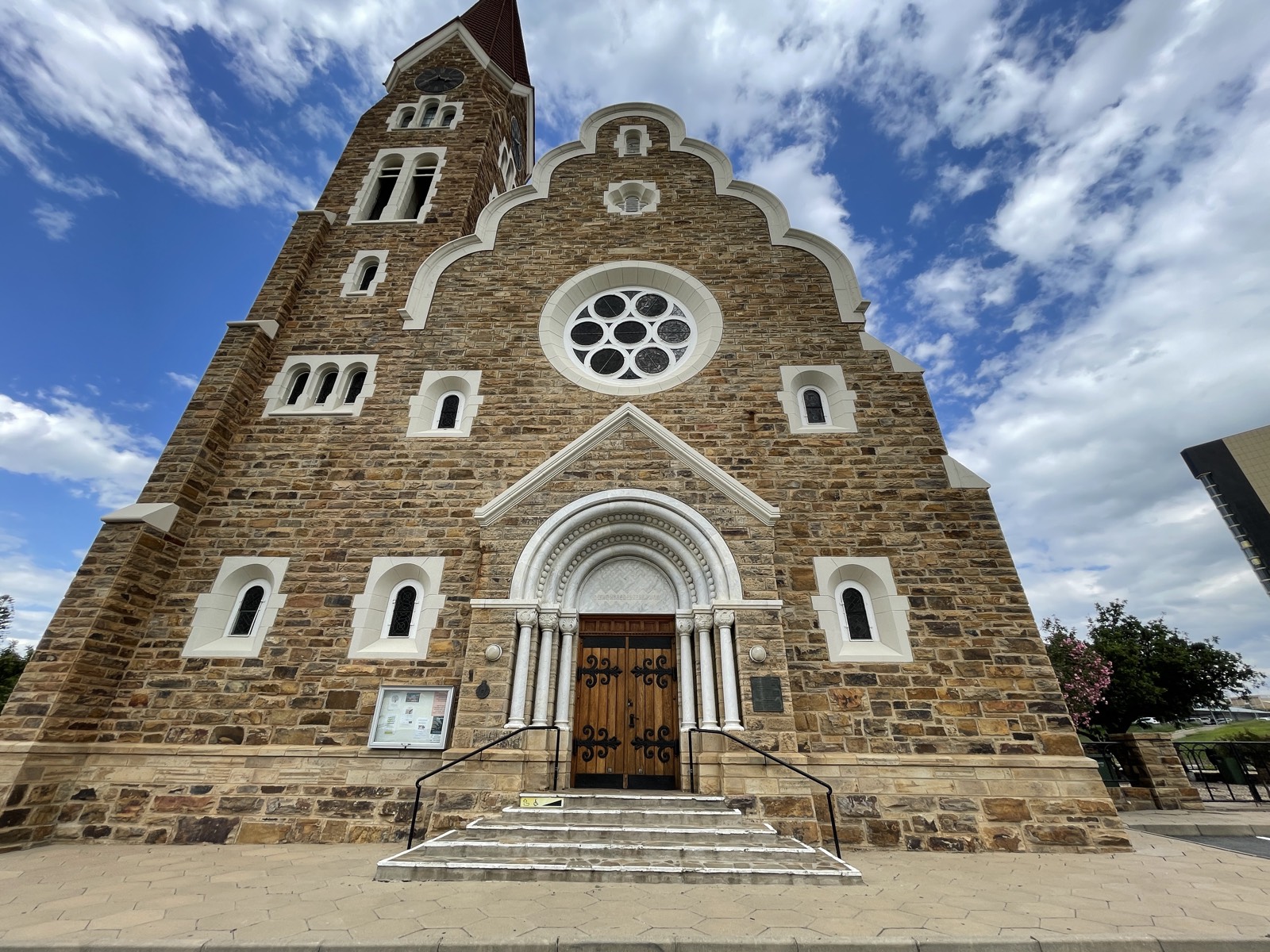
A compact, orderly capital with German colonial architecture, a useful overnight stop at either end of a self-drive loop rather than a destination in itself.
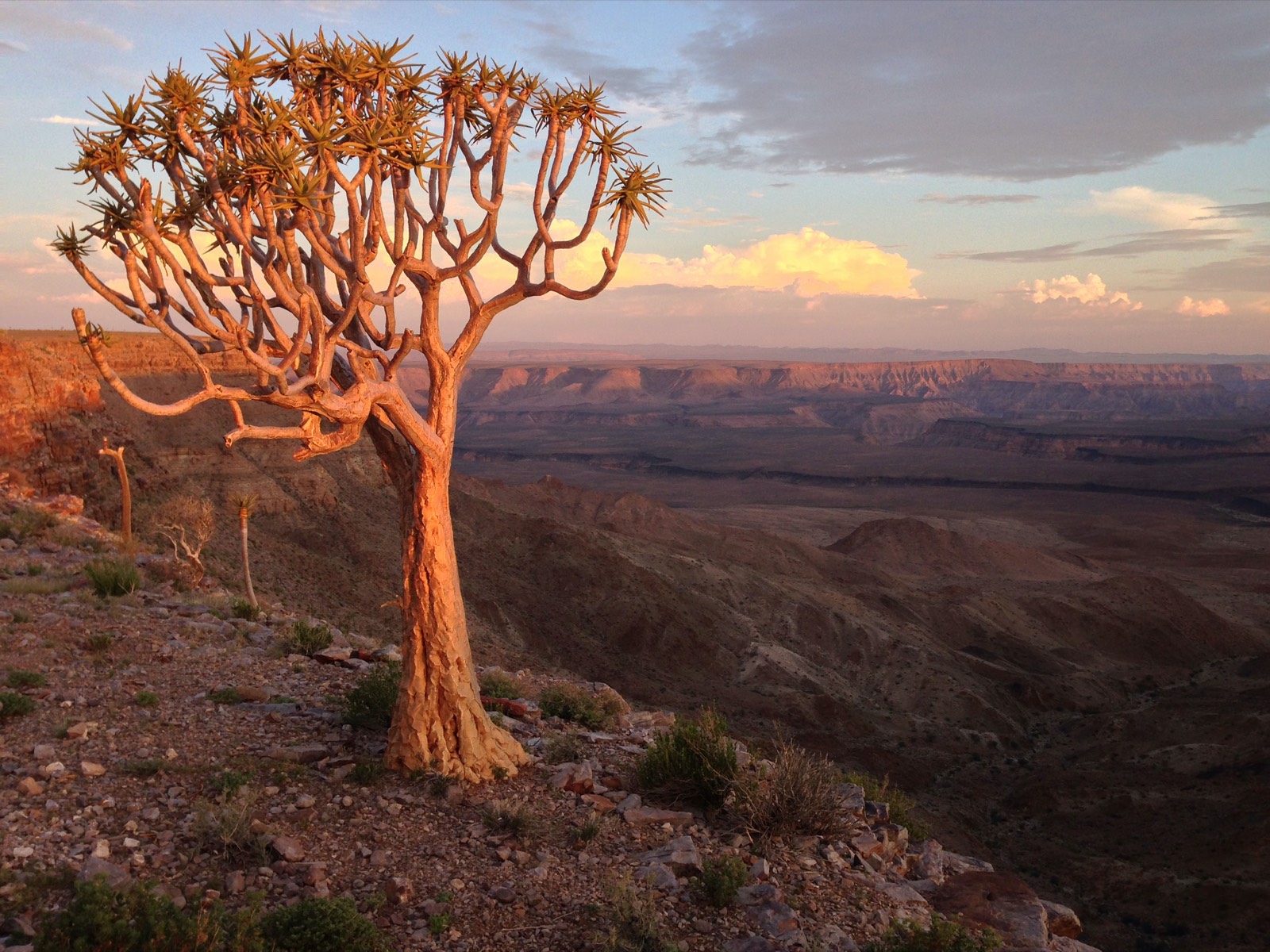
The second-largest canyon in the world after the Grand Canyon, in the remote far south. A detour for travellers with extra time rather than a standard itinerary stop.
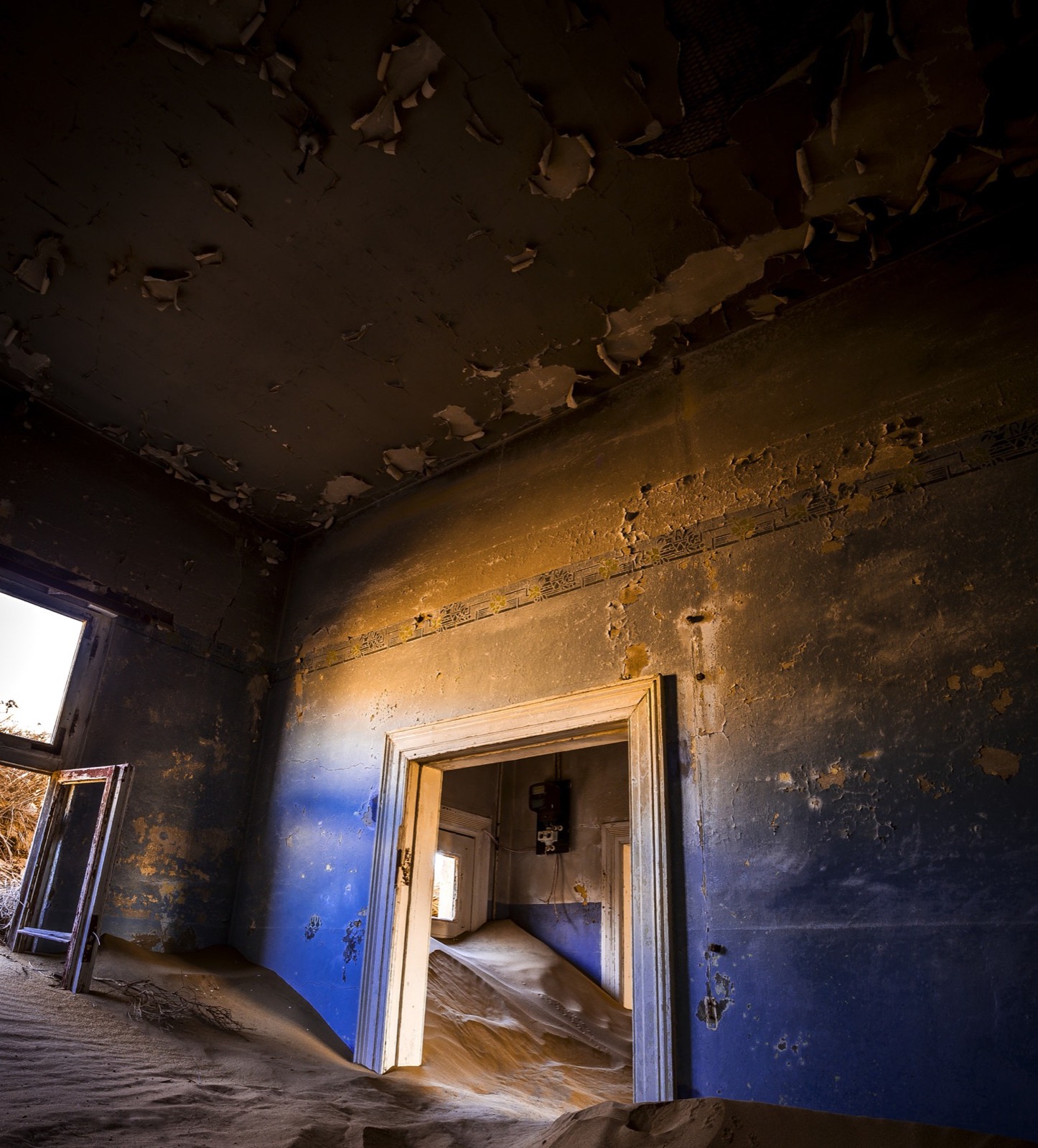
Kolmanskop, a diamond-boom town abandoned in the 1950s and now half-swallowed by dunes, sits a short drive from the coastal town of Lüderitz. An unusual, photogenic detour on the way to or from the south.
Tell us how much time you have and whether you want a guided fly-in circuit or a self-drive loop. Namibia rewards planning more than most countries, and we will build the route around your dates.
Plan My Safari WhatsApp UsYes. Namibia is one of the most politically stable and safest countries in Africa, with low crime in tourist areas. The main practical risk is self-drive road conditions, not personal safety.
May to October, the dry season, when game concentrates at Etosha's waterholes and the desert light is clearest. September and October are driest but very hot by day.
Most of the country, including Sossusvlei, the Skeleton Coast and Damaraland, carries little to no malaria risk. The Caprivi Strip and parts of the far north do carry risk, mainly in the wetter months; Etosha carries low risk. Check current guidance for your specific route.
Both work well. Self-driving suits confident travellers who want flexibility and good value, on well-maintained gravel roads. A guided or fly-in itinerary suits a tighter timeframe or travellers who prefer not to manage long drives themselves.
Mostly, at Etosha, though buffalo are restricted to the eastern part of the park and sightings generally take more patience than in a private Greater Kruger reserve.
Ten to twelve days allows a proper loop of Etosha, Damaraland and Sossusvlei. A shorter seven-day trip can cover two of the three comfortably.
Shipwrecks, dense coastal fog, seal colonies and desert-adapted elephant and lion that walk unusually long distances between water sources along an otherwise near-lifeless shoreline.
Hosea Kutako International Airport, near Windhoek, is the main gateway, with onward travel by light aircraft or self-drive to the parks.
Tell us roughly when you would like to travel and what you most want to see. Every enquiry is answered personally, usually within 24 hours. No set packages, no booking fees.