
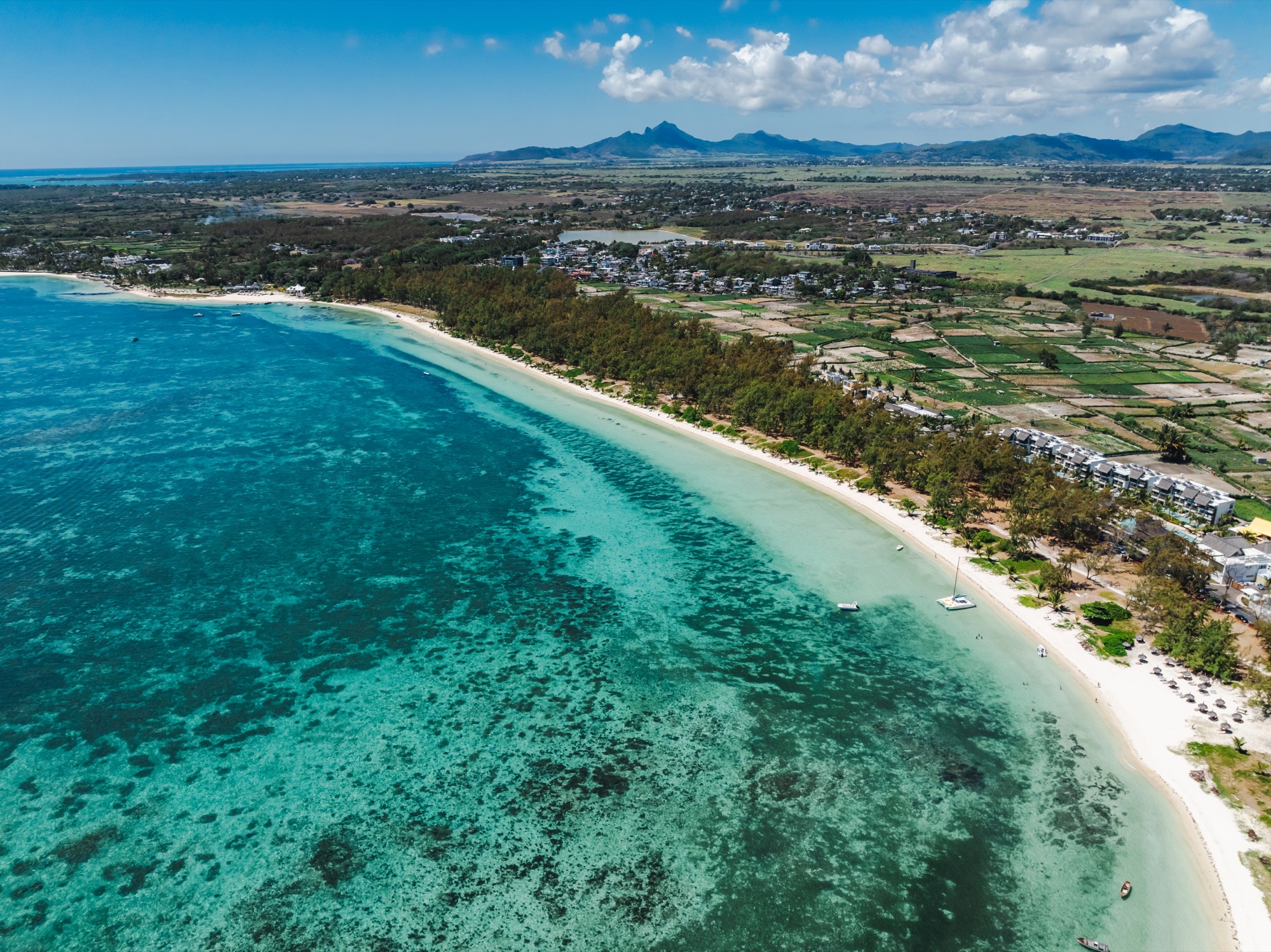
East Coast
Belle Mare to Trou d'Eau DouceFour Seasons, One&Only and Shangri-La all sit on this coast, on a lagoon sheltered enough for a toddler to swim in.
Explore East Coast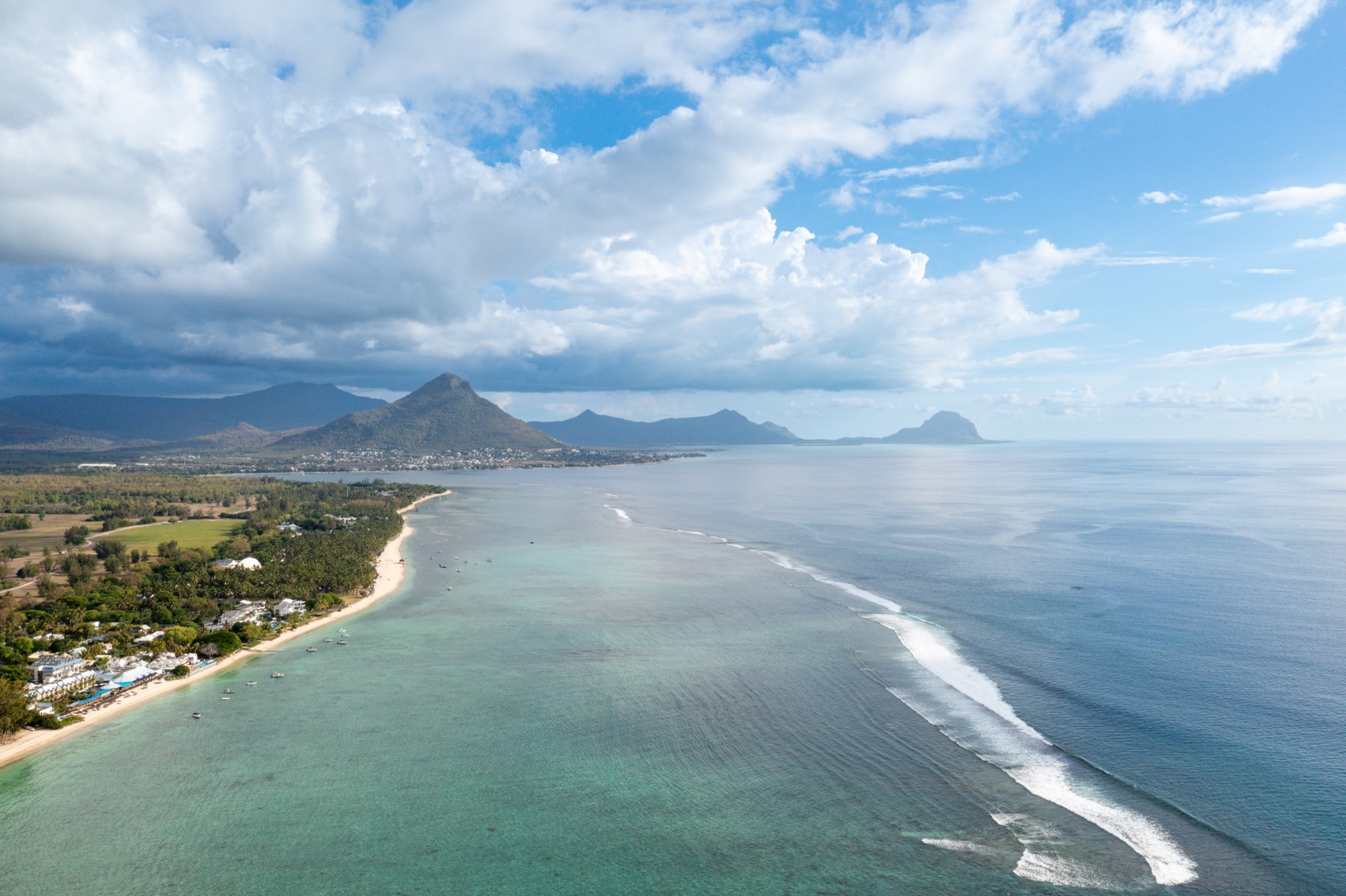
Warm, reef-protected lagoons and some of the best resort cooking in the Indian Ocean, four hours from Johannesburg.
Plan My SafariMauritius sits a little over four hours from Johannesburg, which makes it the simplest beach pairing for a South Africa or wider Southern Africa safari. There is no second long-haul sector, no time-zone adjustment worth mentioning, and no malaria risk to plan around once you leave the bush.
The island is a single volcanic landmass ringed almost entirely by coral reef, so the lagoon stays calm and shallow along most of the coast regardless of which resort you choose. What changes from coast to coast is the character of the place: the sheltered east is the classic honeymoon run of resorts, the west is built around sunset and watersports, and the south is quieter, drier and closer to the island's coloured-earth and whale-watching sites.
Mauritius also has a kitchen tradition most beach destinations lack. French, Indian, Chinese and Creole influence collided here over three centuries of trade, and the better resorts build entire itineraries around their restaurants rather than treating food as an afterthought. For a couple or family closing out a safari honeymoon or a family safari, four or five nights here is the most dependable way to end the trip relaxed rather than retracing another set of flights.
Direct flights from Johannesburg take around four hours, so Mauritius adds a genuine change of pace without the long-haul fatigue of flying on to the Maldives or the Caribbean.
Mauritius has been malaria-free since the 1970s. Guests coming off a malaria-risk reserve can stop precautions the moment they land, which matters for families with young children.
Barrier reef rings most of the island, so the lagoon in front of the resort is typically calm, shallow and swimmable even for nervous swimmers, with the open ocean and its surf kept out beyond the reef break.
East, west and south each have a different character and price point, so the choice is less "which island" and more "which coast", a far quicker decision than picking between archipelagos.
French, Indian, Chinese and Creole cooking traditions run through the island's resorts and markets, giving Mauritius a stronger dining identity than most beach add-ons offer.
Big all-suite resorts with supervised kids' clubs sit alongside adults-only villas on the same coastline, so a family safari and a honeymoon can both be answered without changing island.
Parrotfish, surgeonfish and butterflyfish move through the lagoon reef in good numbers, making mask-and-snorkel reef swims rewarding straight off most beaches, no boat required.
Spinner dolphin pods are resident off the west coast near Tamarin and Black River, and early-morning boat trips find them reliably for much of the year.
Humpback whales pass the south and west coasts from roughly July to October, on the same migration route that brings them past Reunion and Madagascar. A resident sperm whale population off the west coast at Black River is visible on boat-based whale-watching trips year-round, best from September to April (swimming with them has been prohibited since 2020).
The deep water beyond the reef drop-off holds blue marlin, sailfish and dorado, and Mauritius has a long-standing big-game fishing fleet out of Black River and Grand Baie.
The Black River Gorges holds the Mauritius kestrel and pink pigeon, both brought back from single-digit populations by one of the most successful bird conservation programmes anywhere.
Clear, shallow lagoon water and good light for much of the year make Mauritius a straightforward place to shoot reef and family snorkelling images without specialist gear. See our photographic safaris.
Mauritius is small enough that the real choice is coast rather than region. The east holds the island's grandest resorts on its calmest water, the west is built around sunset and activity, and the south is quieter, drier and closer to the coloured-earth and whale-watching sites.
Four Seasons, One&Only and Shangri-La all sit on this coast, on a lagoon sheltered enough for a toddler to swim in.
Explore East Coast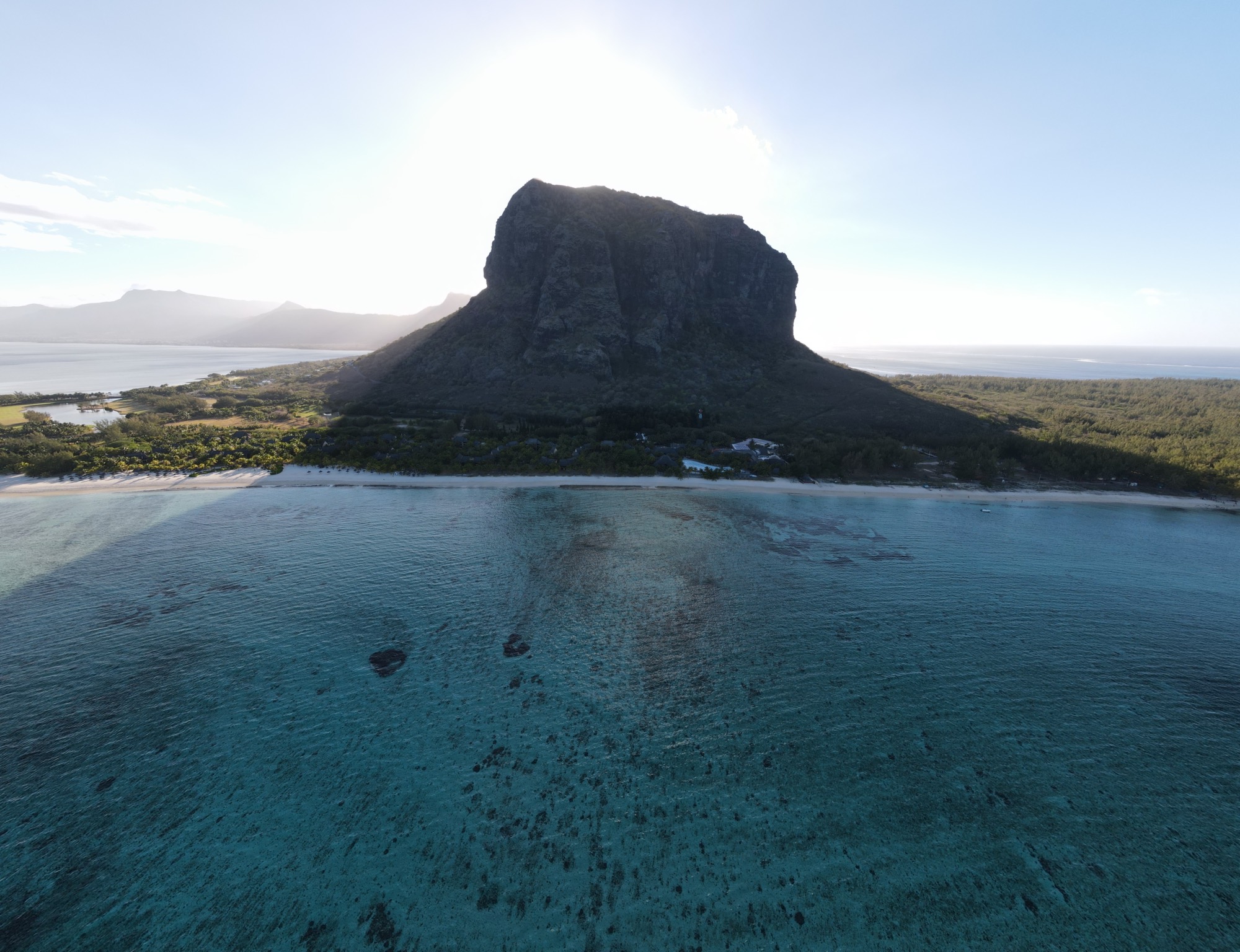
Flic en Flac's resort strip and the UNESCO-listed Le Morne peninsula, the coast for sunsets, kitesurfing and dolphin encounters.
Explore West Coast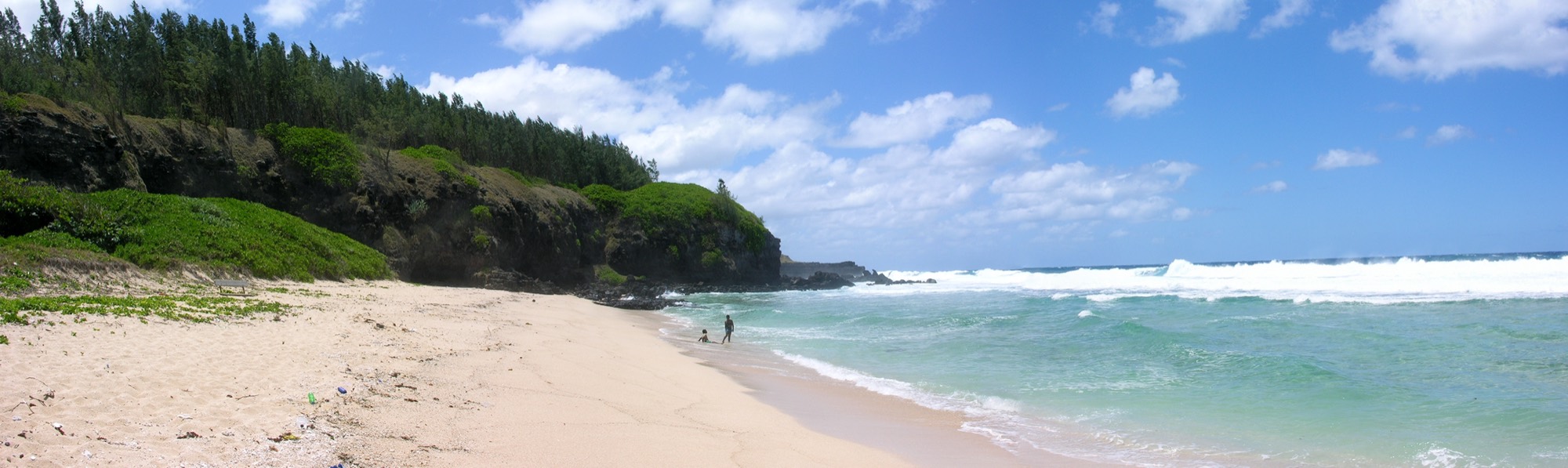
A wilder, less built-up coast around Bel Ombre, with fewer resorts, strong golf and the island's most direct access to whale watching.
Explore South Coast| Coast | Best for | Best time | Suggested stay | Style |
|---|---|---|---|---|
| East Coast | Honeymoons, calm lagoon, grand resorts | May to Dec | 4 to 5 nights | Luxury to ultra-luxury |
| West Coast | Sunsets, watersports, dolphins | May to Dec | 3 to 5 nights | Mid-range to ultra-luxury |
| South Coast | Quiet, golf, whale watching | Jul to Oct (whales), May to Dec (general) | 3 to 4 nights | Mid-range to luxury |
Mauritius has a tropical climate with a clear dry season. The cyclone season runs November to April, with the highest risk in January and February, while May to December is drier, cooler and the more settled time to travel.
| Month | Weather | Sea & Beach Conditions | Season |
|---|---|---|---|
| January | Hot, humid, cyclone risk | Warm lagoon; storms can disrupt plans | Green |
| February | Hot, highest cyclone risk | Warm water; least settled month | Green |
| March | Hot, still cyclone season | Improving; fewer storms than Feb | Shoulder |
| April | Warm, drying out | Settled lagoon; good value | Shoulder |
| May | Mild, dry, breezy | Clear water; trade winds pick up | Peak |
| June | Cool, dry | Excellent visibility; cooler evenings | Peak |
| July | Coolest month, dry | Whale season begins on the south/west | Peak |
| August | Cool, dry, windy | Good whale watching; windier east coast | Peak |
| September | Mild, dry | Whale season continues; calm mornings | Peak |
| October | Warming, drier | Last of the whale season; lovely light | Shoulder |
| November | Warm, cyclone season opens | Still mostly settled; watch forecasts | Shoulder |
| December | Hot, humid, storms build | Warm water; festive season, book ahead | Green |
Mauritius rewards a day or two away from the resort. These are the inland and heritage sites guests add on most often.
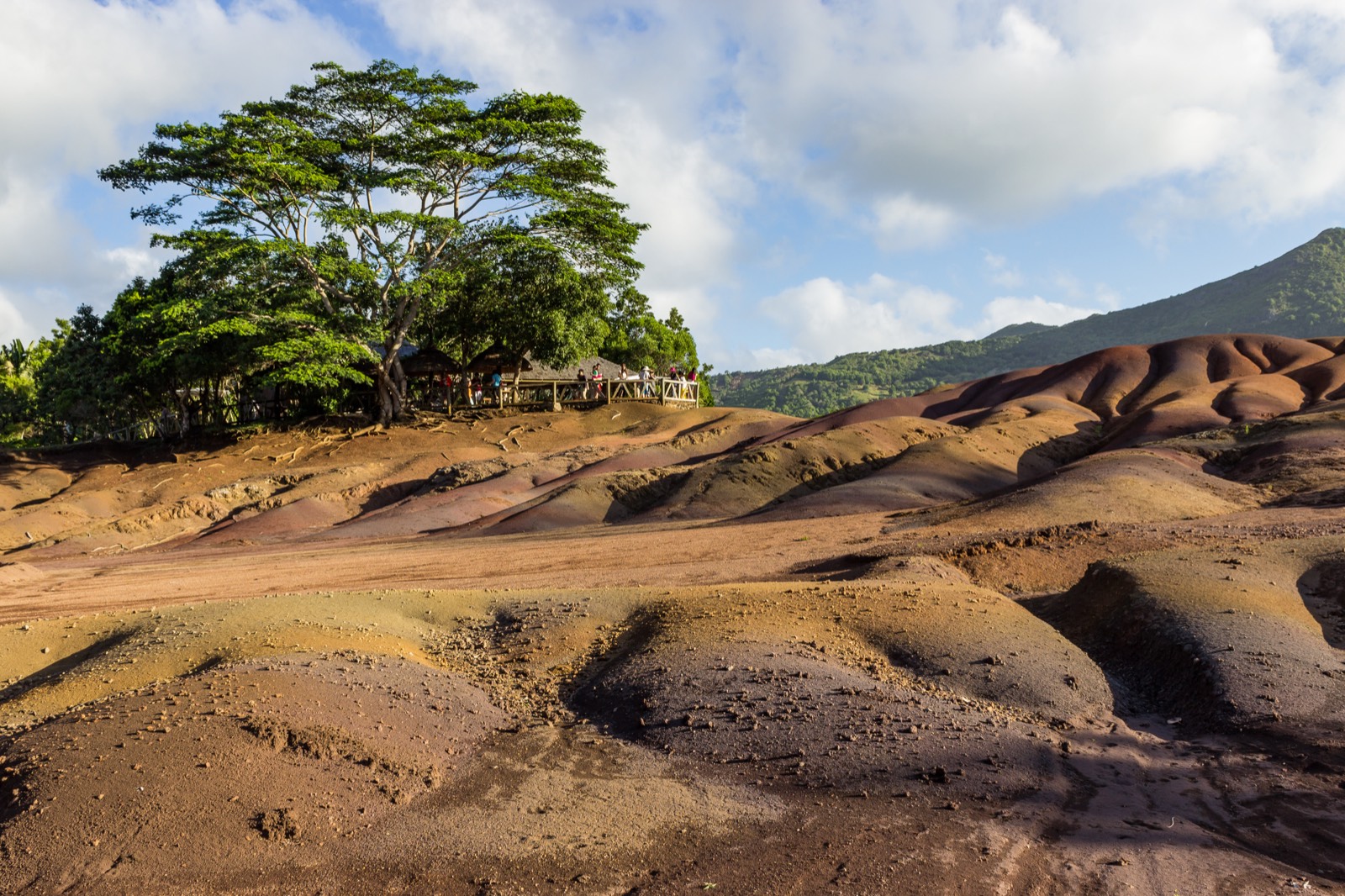
Volcanic dunes that settle into distinct bands of red, brown and purple, a short walk from the Chamarel waterfall. A half-day from a west or south coast resort, and one of the few genuinely photogenic inland sites on the island.
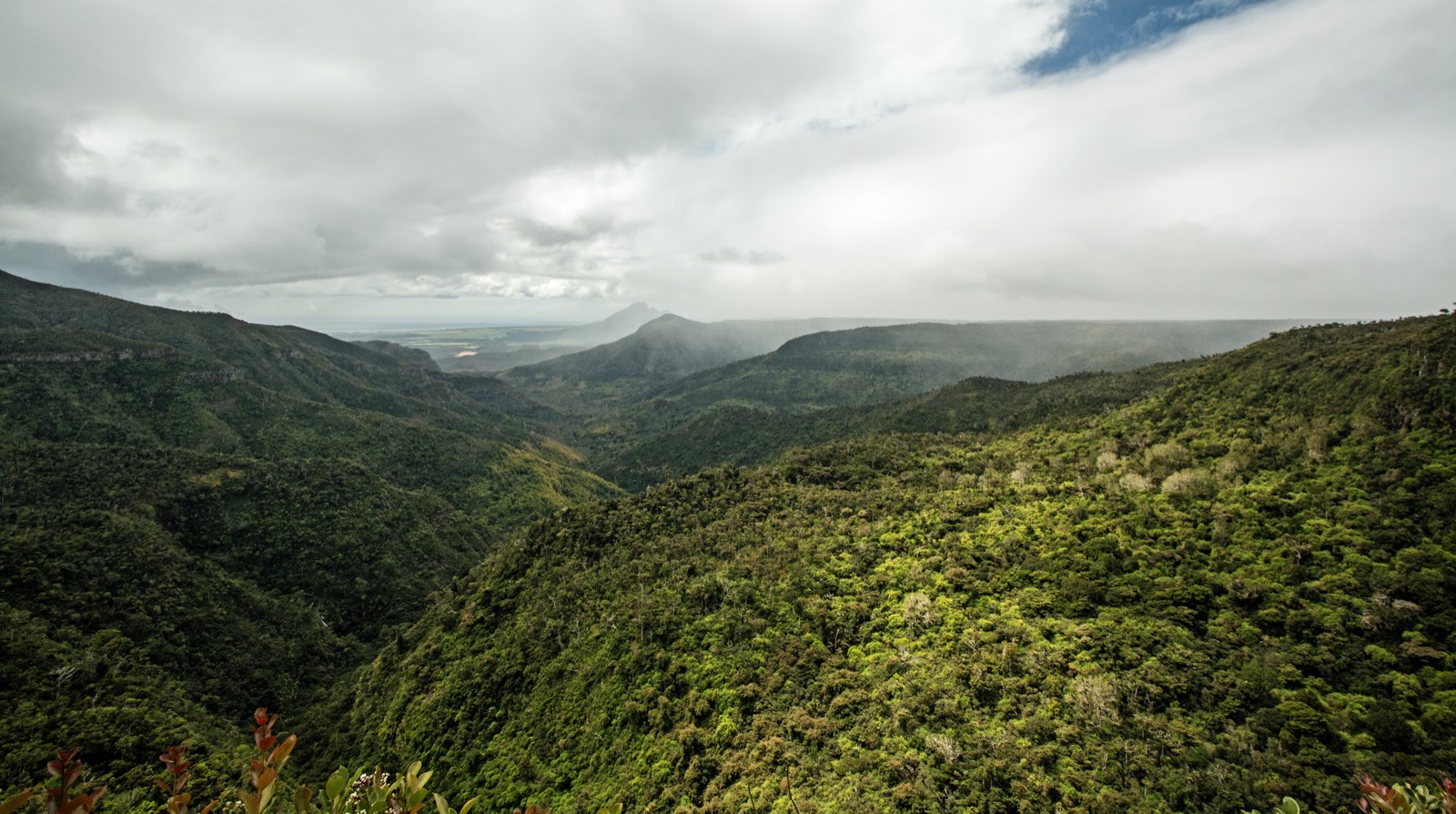
The island's last significant native forest, and the stronghold of the Mauritius kestrel and pink pigeon, both pulled back from the edge of extinction. Hiking trails and viewpoints make it an easy half-day from the west or south coast.
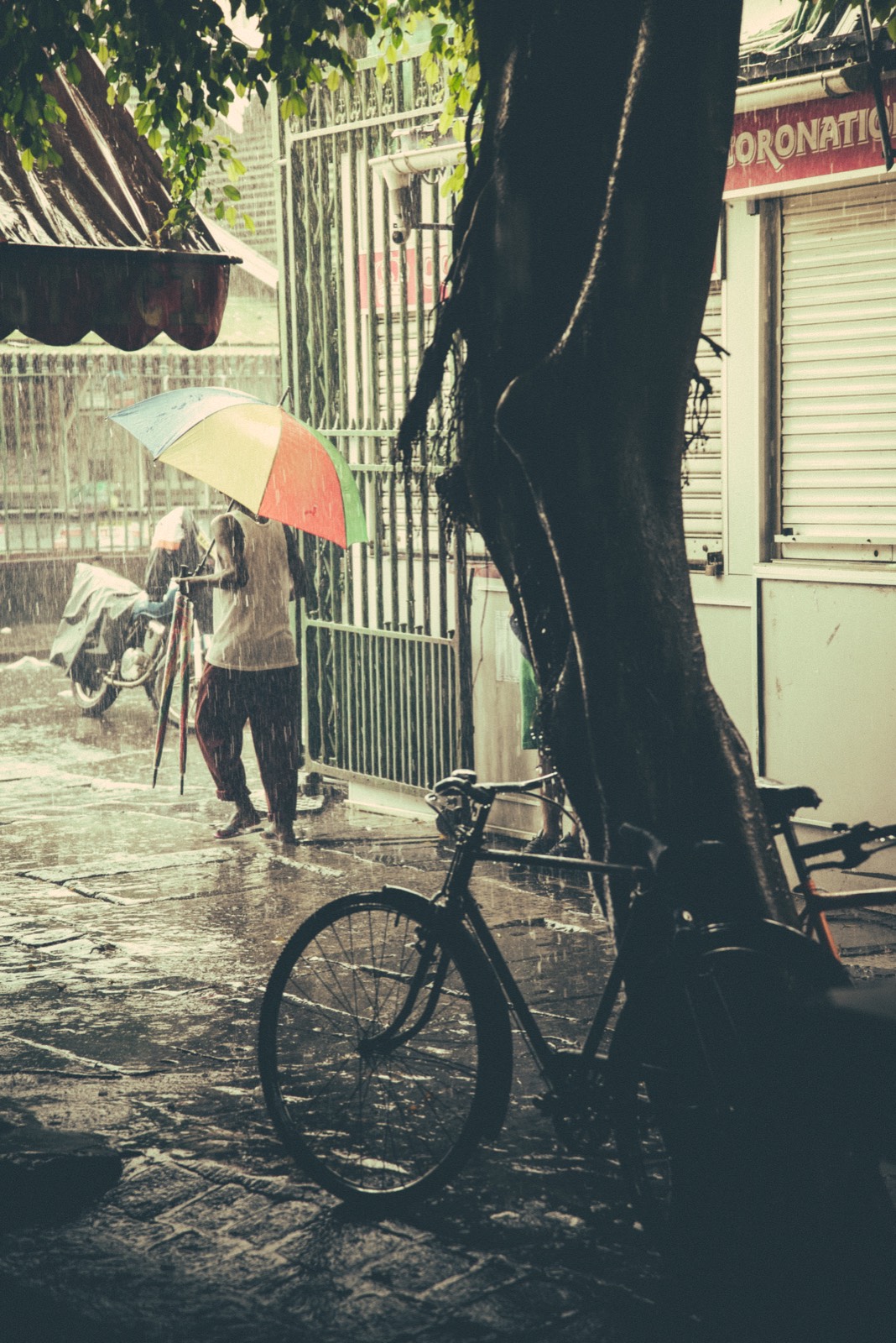
The old harbour capital holds the Central Market, the Aapravasi Ghat UNESCO site marking indentured labour history, and the Caudan Waterfront. A grittier, more local counterpoint to a week of resort life.
Tell us which coast appeals and how many nights you want to add. We will fit it around your safari dates and flights, not the other way round.
Plan My Safari WhatsApp UsYes. Direct flights from Johannesburg take around four hours, there is no malaria risk, and the reef-protected lagoon suits families and couples equally well, which makes it the easiest beach pairing for a Southern Africa safari.
May to December is the dry season and the most settled time to travel. The cyclone season runs November to April, with January and February carrying the highest storm risk, though cyclones that make direct landfall are uncommon.
Four to five nights is enough to properly unwind and fit in one or two excursions. Shorter stops of two or three nights work as a pure decompression stay after a longer safari.
The east coast holds the grandest resorts on the calmest water and suits a classic honeymoon stay. The west is built around sunset, watersports and dolphin trips. The south is quieter and drier, with easier access to Chamarel and whale watching.
No. Mauritius has been malaria-free since the 1970s, so no antimalarial precautions are needed, which is one of the reasons it pairs so easily with a safari.
Yes. Spinner dolphins are resident off the west coast near Tamarin year-round, and humpback whales pass the south and west coasts from roughly July to October.
Very. Several of the larger east and west coast resorts run full supervised kids' clubs and family suites, and the calm lagoon water suits young swimmers better than an open-ocean beach would.
Fly back to Johannesburg and connect on a direct flight of around four hours to Mauritius. It is a straightforward add-on rather than a separate long-haul trip.
Tell us roughly when you would like to travel and what you most want to see. Every enquiry is answered personally, usually within 24 hours. No set packages, no booking fees.