
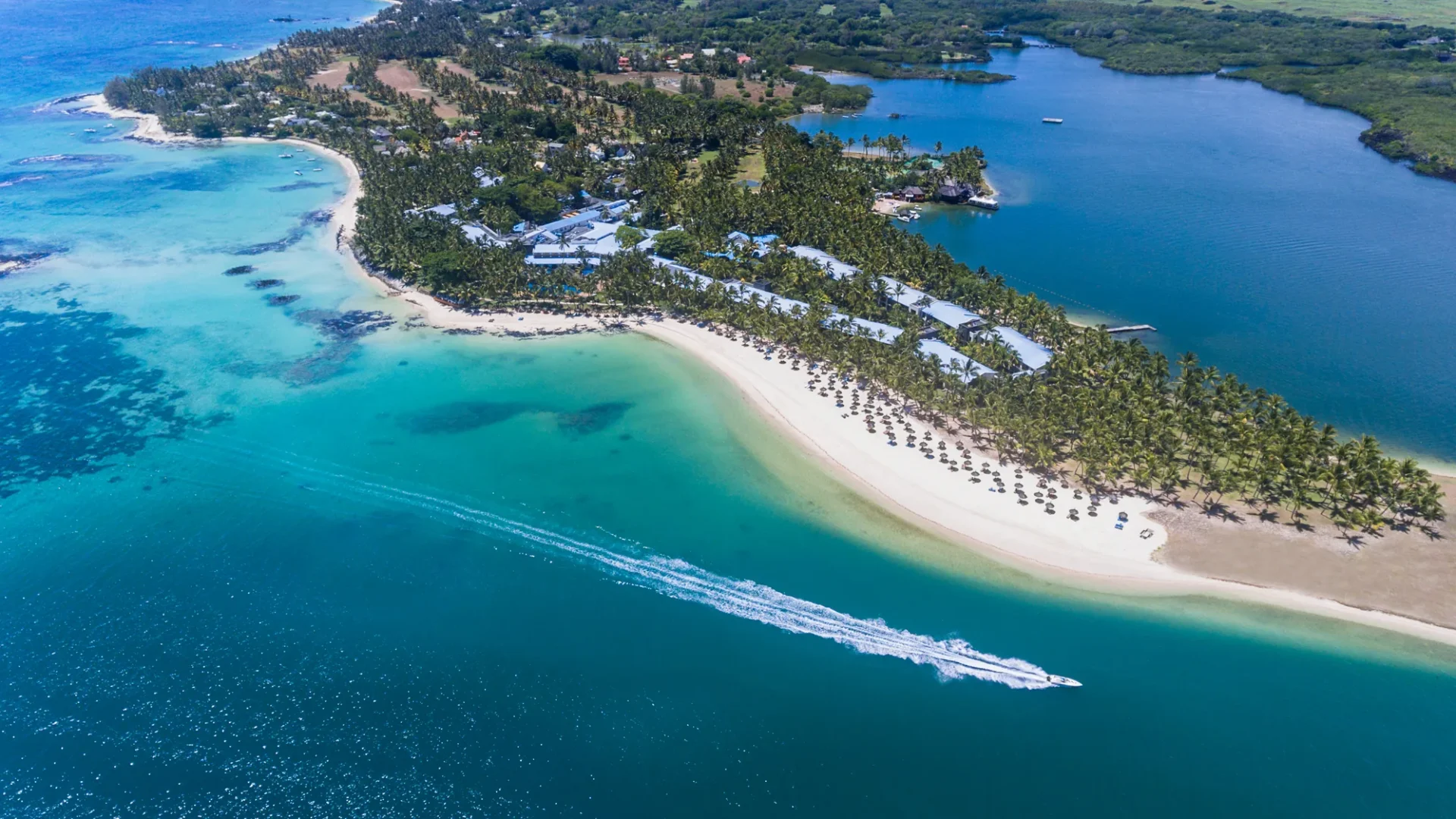
The most common question we get after someone has booked their safari is whether they can add a beach to the end of it. They can, and the Indian Ocean makes it the easiest add-on in Africa: Mauritius and the Seychelles sit four to five hours from Johannesburg on a direct flight, neither carries a malaria risk, and both work as a finish rather than a separate holiday. Where these trips go wrong is almost never the choice of island. It is the sequencing, the number of nights, and booking the beach before the safari dates are fixed.
The short answer
Safari first, island second. Allow three to four nights on a reserve and five to seven on the island, and build the island around the safari dates rather than the reverse. Choose Mauritius for families, groups, value and food; the Seychelles for privacy and for travel in the November to April cyclone window; and treat Madagascar as a wildlife destination in its own right, not the beach half of a safari. Both Mauritius and the Seychelles are malaria-free, which is the part that matters most if you are coming off a malaria-zone reserve with children.
Why the island goes second
A safari runs on an early alarm. You are up before first light for the cool hours when leopard are still moving and lion are still on a kill, back for breakfast, out again at four. Done properly for four days it is wonderful and it is also tiring, and nobody wants to start that schedule having spent a week horizontal on a lounger.
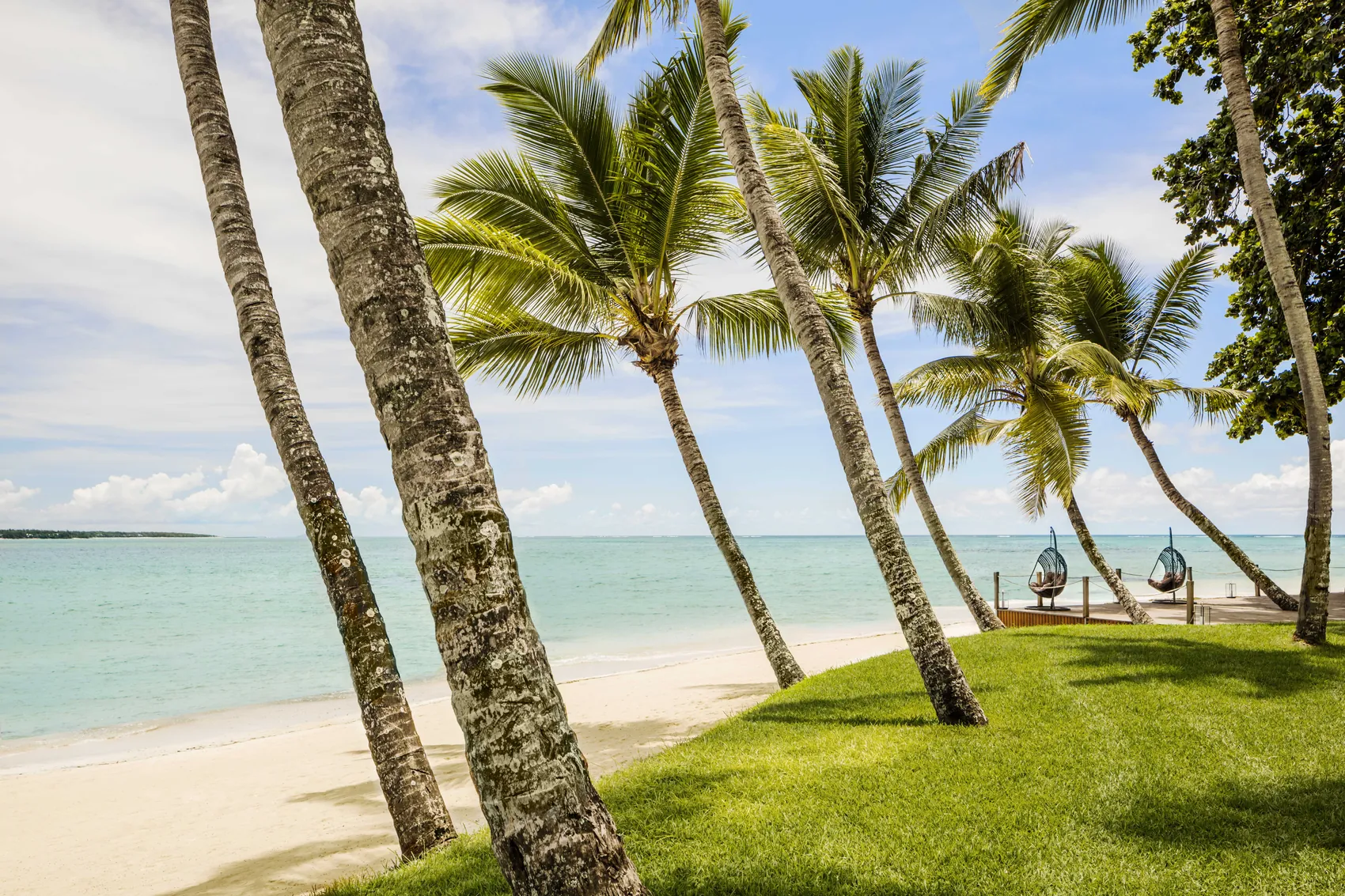
Run it the other way and the trip has a shape. The bush comes first, while you still have the appetite for 05:00 and for sitting with a pack of wild dog for an hour without moving. The island absorbs what follows: the processing, the photographs, the sleep you did not get. Couples notice this most. So do parents, who tend to arrive at the beach having spent four days answering questions about what a tracker is reading in the sand.
There is a practical reason too. Game-reserve availability is tighter than island availability, particularly in the Sabi Sand and in Botswana’s water camps during peak months. Fix the reserve, then fit the island to it.
How many nights on each side
Three nights on a reserve is the working minimum, and four is better. Two gets you three game drives, which is not enough margin for the animals to be uncooperative, and they will be uncooperative at some point. Beyond five nights on a single reserve most people are ready for a change of scene, which is exactly where a second reserve or the island earns its place.
On the island side, five to seven nights is the range that justifies the flight. Three works if the island is a genuine onward leg rather than a detour. Anything shorter and you have spent a travel day each way for two usable mornings, and you will feel the cost of that more than the benefit.
| Trip length | A split that works |
|---|---|
| 8 nights | 3 nights reserve, 5 nights island |
| 10 nights | 4 nights reserve, 6 nights island |
| 12 nights | 3 nights reserve, 3 nights second reserve, 6 nights island |
| 14 nights | 4 nights reserve, 3 nights Cape Town or Victoria Falls, 7 nights island |
The twelve-night version is the one we recommend most often for a first trip, because the two reserves do different work. Pair a Sabi Sand lodge for reliable leopard with a water camp in the Okavango for elephant, red lechwe and a mokoro, then close out at the ocean.
Flights and routings
This is the detail that decides whether the add-on is easy or awkward. Southern African safaris feed through Johannesburg, which has direct flights to both islands. East African safaris feed through Nairobi, which changes the answer.
| Safari region | Island that connects cleanly | How it routes |
|---|---|---|
| Sabi Sand, Kruger, Madikwe, Tswalu | Mauritius or the Seychelles | Light aircraft or short flight to Johannesburg, then direct |
| Botswana (Okavango, Linyanti) | Mauritius or the Seychelles | Maun or Kasane to Johannesburg, then direct |
| Zambia, Zimbabwe (Victoria Falls) | Mauritius | Via Johannesburg, usually with a night there |
| Kenya, Tanzania | The Seychelles or Zanzibar | Nairobi to the Seychelles direct, or short hops to Zanzibar |
| Rwanda, Uganda (gorillas) | The Seychelles or Zanzibar | Via Nairobi or Kigali |
Schedules shift season to season and the direct services are not daily, so the flight pattern often decides which night you leave the reserve. We check live schedules before confirming the island, which is the whole reason the safari dates go in first.
One warning about Mauritius out of East Africa: it is a long way south and the connections are poor. If your safari is in the Masai Mara or the Serengeti, look at the Seychelles or Zanzibar instead of fighting the map.
Mauritius or the Seychelles
Budget and group size usually settle this before anyone gets to the scenery.
Mauritius is one volcanic island ringed almost entirely by a reef-protected lagoon, with four distinct coasts and the strongest resort dining in the region. Families and groups do well here because there is room to move: the sheltered east for the grand resorts, the west for sunsets and watersports, the quieter south, and Grand Baie’s busier north. It generally gives more for the money, and there is a genuine food culture built from French, Indian, Chinese and Creole influence rather than a hotel interpretation of one.
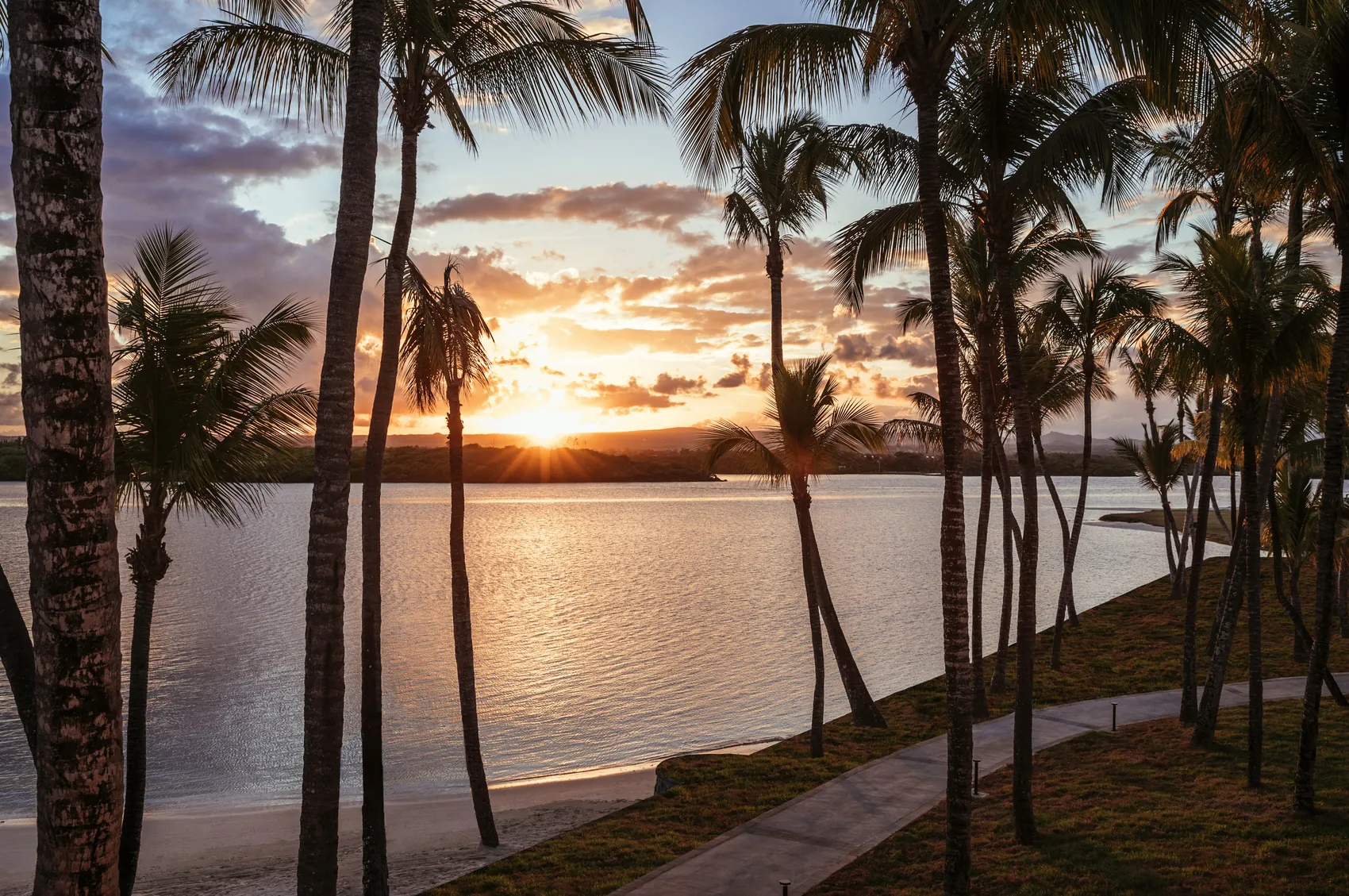
The Seychelles is 115 islands rather than one, and that changes what is possible. Several of the outer islands carry a single lodge each, which is a level of privacy Mauritius cannot match at any price. It also sits close enough to the equator to be rarely troubled by the cyclone season that affects Mauritius from November to April. Both of those things cost money, and the outer islands cost a great deal of it.
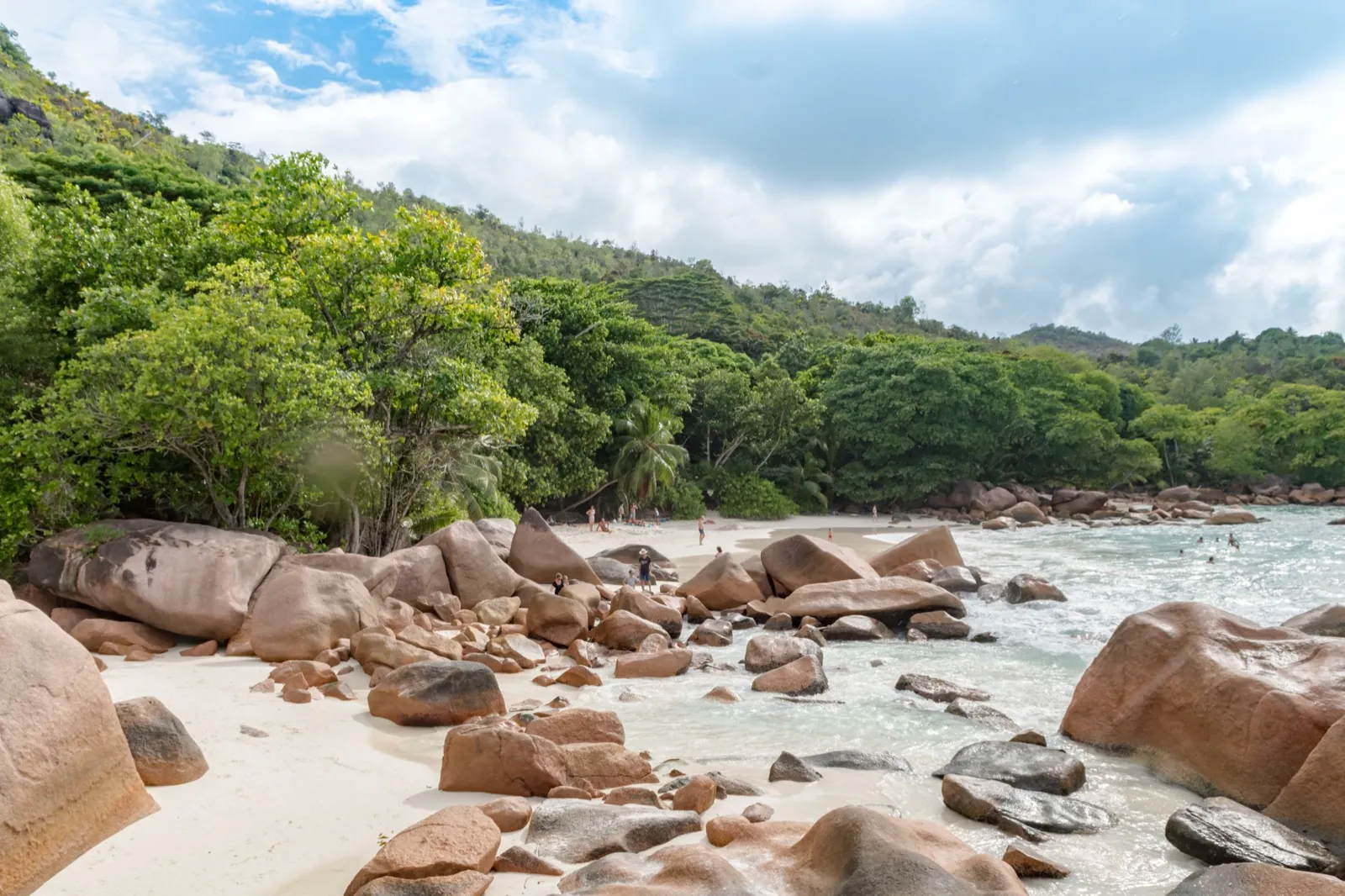
For couples who want the granite-boulder postcard without an outer-island budget, Praslin and La Digue are the answer. Full detail on both islands sits on the Indian Ocean page, with individual pages for Mauritius and the Seychelles.
Madagascar is not the beach half of the trip
Madagascar comes up in these conversations because it is in the same ocean, and it is worth being clear: it is a wildlife destination, not a resort one. Ninety per cent of what lives there lives nowhere else. Indri calling across Andasibe, mouse lemurs in the spiny forest, baobabs, chameleons, fossa. Going there to lie down is a waste of the ticket.
Plan Madagascar as a second safari for someone who has already done the mainland and wants something genuinely different, with internal flights, longer road transfers and simpler lodges than Mauritius or the Seychelles. If you want lemurs and a lounger in one trip, pair Madagascar with Mauritius and accept the extra flying.
Malaria, and why families care about this
Most of the great Southern and East African reserves sit in malaria areas, and that is a normal, manageable part of a safari. Prophylaxis does not stop the day you leave the reserve, though. Depending on what your doctor prescribes you may be taking tablets for up to four weeks after you leave the zone, which means you will still be taking them on the island.
Neither Mauritius nor the Seychelles has a malaria risk, so you are not adding exposure by adding the beach. For families who would rather avoid the question altogether, the cleaner route is a malaria-free reserve for the safari half: Madikwe, Tswalu or the Eastern Cape, then the island. That combination is the most common family itinerary we build, and it pairs naturally with our family safari planning.
Getting the timing right
The two halves of the trip do not want the same months, which is the real reason this needs planning rather than a booking engine.
Southern Africa’s best game viewing runs May to October, when the bush has thinned and animals concentrate on permanent water. Those months are also comfortable on both islands. June to August is cooler and windier in Mauritius and the Seychelles, which some people prefer and others find disappointing if they came for flat water.
November to April is the Southern African green season, and it is also the Mauritian cyclone window. Game viewing is harder in thicker bush but you get newborn impala, migrant birds and better rates. If you want that season and you want the beach to be reliable, the Seychelles is the safer half of the pair. Our when to go guide covers the safari side month by month.
Four mistakes worth avoiding
- Booking the island first. Reserve availability is the constraint. Lock the lodge, then the flights, then the island.
- A two-night island stop. Two nights buys one full day for two travel days. Either give it five or leave it out and add a night to the reserve.
- Chasing two oceans. Cape Town and an Indian Ocean island in the same trip means a lot of flying and not much resting. Pick one, or read our guide to pairing Cape Town with a safari and keep the islands for next time.
- Treating the island as a formality. The coast you pick in Mauritius changes the holiday as much as the hotel does. East, west, south and north are four different experiences.
How we build these
Every one of these itineraries starts with two questions: which reserve, and how many nights can you give it. The island follows. We hold the reserve first, check what the flights actually do that week, then put the island where it fits, and we will say plainly when the combination you have in mind is going to cost you two days in airports for no good reason.
Tell us your dates, your budget and who is travelling, and we will come back with a routing that works. If the beach half is the point and the safari is the add-on, say so. That is a different trip and we would build it differently. Start with our couples safari planning if this is a honeymoon, or get in touch and we will take it from there.
Frequently asked questions
Should the safari or the beach come first?
The safari first, almost always. Game drives start before first light and run twice a day, which is tiring to begin after a week on a lounger. Putting the island second also means reserve availability, which is the tighter constraint, is fixed before you book flights and hotels. The exception is a traveller whose main purpose is the beach and who is adding two or three safari nights at the start as a short extension.
How many nights do I need for a safari and beach trip?
Ten nights is comfortable: four on a reserve and six on the island. Eight nights works as three and five. Twelve or fourteen nights lets you add a second reserve or a few nights in Cape Town or at Victoria Falls between the two halves. Below eight nights you are better off choosing one or the other rather than splitting a short trip across two travel days.
Is it easy to fly from a safari to Mauritius or the Seychelles?
From a Southern African safari, yes. Both islands are four to five hours from Johannesburg on a direct flight, so a Sabi Sand, Kruger, Madikwe or Botswana safari connects through Johannesburg with one onward flight. From an East African safari the Seychelles or Zanzibar is the better choice, routing via Nairobi, because Mauritius is a long way south with poor connections. Direct services are not daily, so the flight schedule often decides which night you leave the reserve.
Mauritius or the Seychelles after a safari?
Mauritius for families, groups, value and food, with four distinct coasts and a reef-protected lagoon running almost the whole way round the island. The Seychelles for privacy, especially its outer islands where a single lodge can have an island to itself, and for travel between November and April when Mauritius is in its cyclone window. Couples wanting the granite-boulder scenery without an outer-island budget should look at Praslin or La Digue.
Do I still take malaria tablets on the island?
Possibly. Neither Mauritius nor the Seychelles has a malaria risk, but prophylaxis prescribed for a malaria-zone reserve usually continues for a period after you leave the zone, which can be up to four weeks depending on what your doctor prescribes. Families who want to avoid the question entirely can pair a malaria-free reserve such as Madikwe, Tswalu or one in the Eastern Cape with the island.
Can I combine a safari with Madagascar?
Yes, but treat Madagascar as a second wildlife destination rather than a beach finish. Around ninety per cent of its species are endemic, including indri, mouse lemurs, fossa and its chameleons, and seeing them involves internal flights, longer road transfers and simpler lodges than Mauritius or the Seychelles. It suits travellers who have already done a mainland safari. If you want lemurs and a beach in one trip, add Mauritius after Madagascar.
What is the best time of year for a safari and beach combination?
May to October suits both halves: Southern African game viewing is at its strongest as the bush thins and animals concentrate on water, and the islands are settled, though June to August is cooler and windier. November to April brings the green season on the mainland, with newborn impala, migrant birds and lower rates but harder game viewing, and it is also the Mauritian cyclone window. For travel in those months the Seychelles is the more reliable island because it sits outside the main cyclone belt.